
Netanyahu UN Address Deepens Diplomatic Rifts and Shakes Commodity Markets
Prime Minister Benjamin Netanyahu's defiant UN General Assembly address delighted domestic supporters while alienating international allies, setting off a cascade of geopolitical tensions that immediately impacted global energy markets and maritime trade routes.
Geopolitical & Core Developments
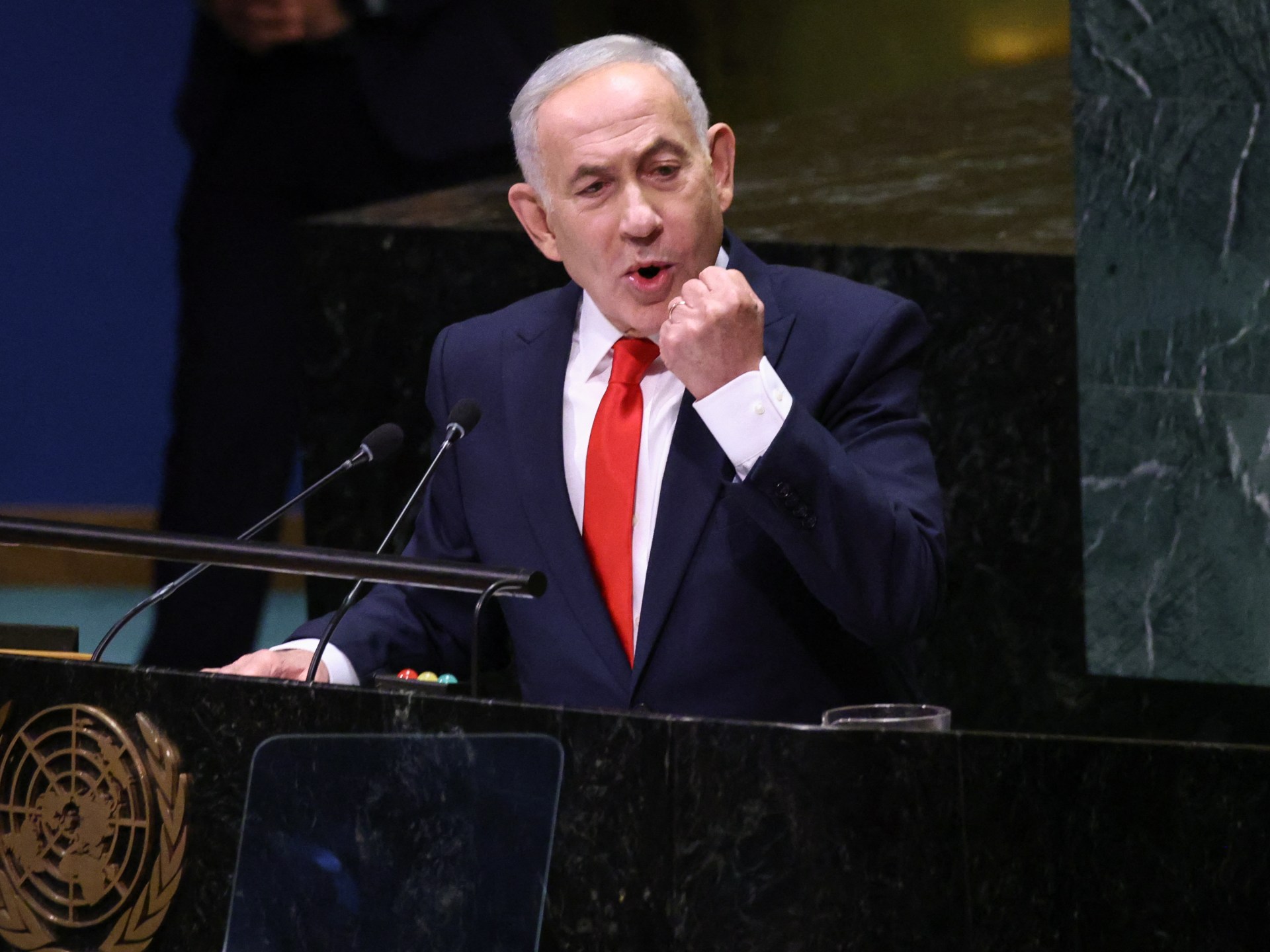
Israeli Prime Minister Benjamin Netanyahu delivered a defiant address at the United Nations General Assembly that immediately polarized the international community, drawing resounding cheers from his domestic political base while triggering mass walkouts among foreign delegations. Against the backdrop of looming domestic elections and protracted regional military engagements, the speech served a dual strategic purpose. For domestic consumption, the rhetoric reinforced Netanyahu's image as an uncompromising defender of Israeli security against multifaceted regional threats. However, on the global stage, the uncompromising tone signaled a hardening of Tel Aviv's diplomatic stance, effectively foreclosing near-term prospects for negotiated ceasefires or multilateral peace frameworks.
State actors across the Middle East, Europe, and North America were quick to recalibrate their diplomatic calculations. The optics of diplomats vacating the General Assembly hall underscored a profound fracture in international consensus. This diplomatic friction is not merely symbolic; it reflects deep-seated disagreements regarding sovereignty, deterrence, and the architecture of regional security. As military operations continue across multiple fronts, the hardening of political positions inside Israel creates a rigid diplomatic perimeter, complicating backchannel negotiations managed by regional intermediaries such as Qatar and Egypt. Strategic stakes have reached a zenith, with intelligence agencies monitoring potential retaliatory cycles that could draw in external state and non-state actors.
[Global Trade](/news/pm-shehbaz-demands-free-navigation-ungh-hormuz-bab-al-mandab) & Economic Ripples
International commodity markets reacted swiftly to the heightened rhetoric and persistent security risks emanating from the eastern Mediterranean. Crude oil benchmarks experienced upward volatility, driven by trader anxiety over potential disruptions to critical energy infrastructure and maritime chokepoints. While physical supply lines have thus far avoided catastrophic interruptions, the perpetual threat of regional escalation has baked a permanent risk premium into Brent and West Texas Intermediate futures.
Shipping lanes traversing the Red Sea and the Suez Canal—vital arteries for Europe-Asia trade—remain under acute operational pressure. Commercial carriers continue to divert vessels around the Cape of Good Hope to mitigate security risks, inflating transit times by 10 to 14 days and driving up global freight rates. These logistics bottlenecks are cascading through international supply chains, exerting upward pressure on industrial input costs and stoking inflationary fears across importing economies. Furthermore, regional currency valuations, particularly the Israeli shekel and neighboring currencies, have faced heightened depreciation pressures amid investor capital flight and heightened macroeconomic uncertainty.
Related Intelligence: PM Shehbaz Demands Free Navigation Through Global Trade Arteries at UNGA
International Reactions & Diplomatic Stances
Multilateral bodies and global capitals expressed profound dismay at the tone and substance of the UN address. United Nations leadership reiterated calls for immediate de-escalation, compliance with international humanitarian law, and a renewed commitment to diplomatic dialogue. European Union representatives echoed these sentiments, warning that uncompromising postures endanger regional stability and economic recovery.
Conversely, market analysts note that Western economic partners are treading a delicate line between public diplomatic censure and private security cooperation. Energy analysts point out that while diplomatic channels are increasingly strained, commercial counterparties continue to monitor sovereign risk matrices closely. Financial institutions have updated their risk assessments for Middle Eastern assets, factoring in the rising probability of targeted sanctions, localized cyberattacks on critical infrastructure, and prolonged trade friction.
Strategic Outlook & Future Scenarios
Looking ahead, the geopolitical trajectory points toward protracted friction rather than diplomatic resolution. Upcoming international summits will likely serve as battlegrounds for competing resolutions regarding regional governance and sanctions enforcement. If domestic political pressures in Israel continue to favor hardline security postures, the likelihood of preemptive military escalations remains elevated, threatening broader regional contagion.
For global commerce, the primary risk involves potential asymmetric warfare targeting energy extraction facilities, pipelines, and maritime choke points. Market participants must price in a protracted period of supply chain fragmentation and elevated freight costs. Ultimately, the divergence between domestic political imperatives in Israel and the demands of international trade stability ensures that the reverberations of this diplomatic crisis will be felt across global financial and commodity markets for months to come.
Join Our Official WhatsApp Channel
Receive live commodity alerts, policy changes, and commercial intelligence directly on WhatsApp.