
US Court Ruling Upends Prediction Markets and State Regulatory Landscape
A recent US appeals court ruling empowering states to regulate prediction markets has created legal fragmentation, setting the stage for a high-stakes Supreme Court showdown with significant commercial implications.
Geopolitical & Core Developments
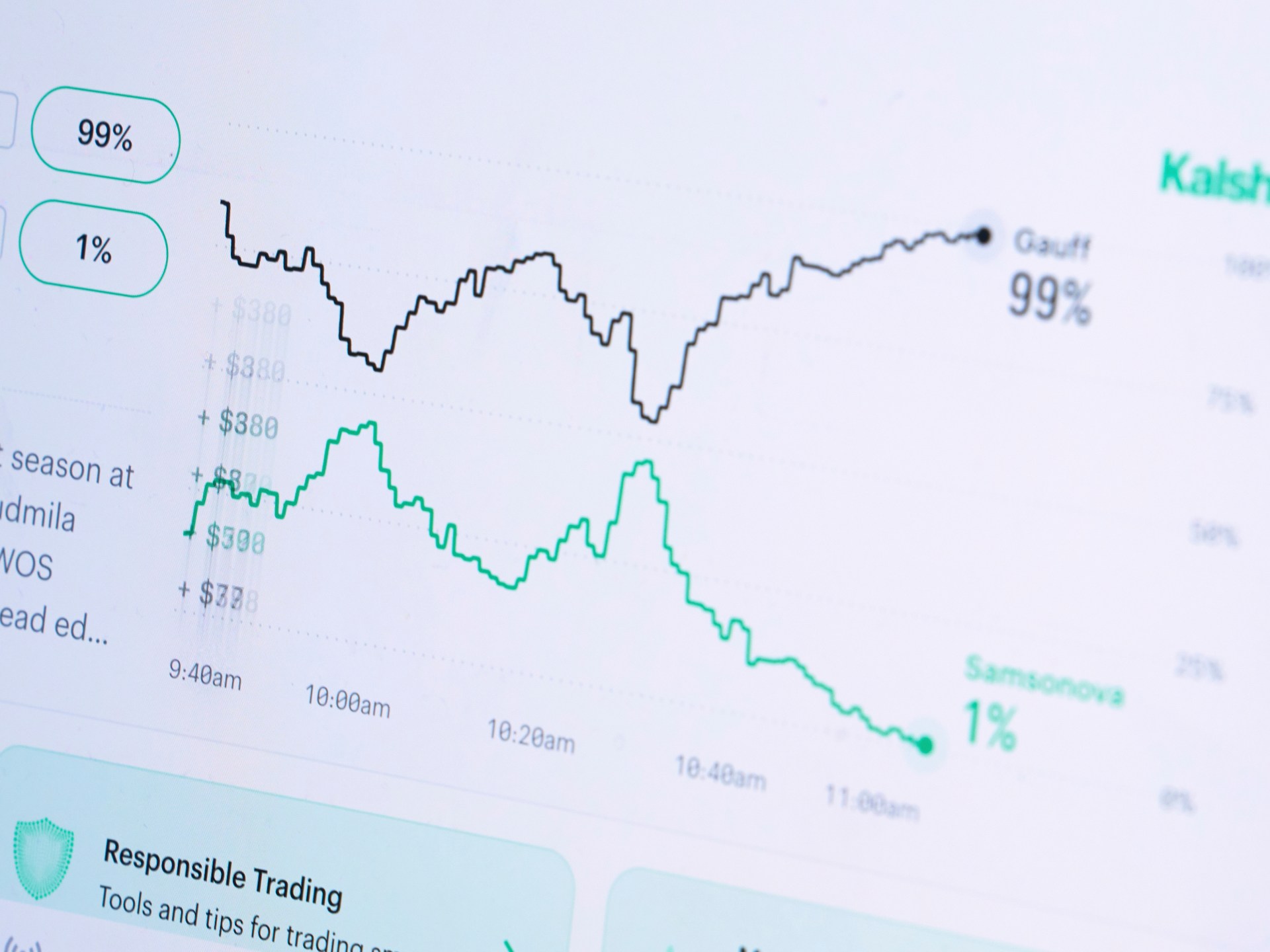
In a landmark legal development that reshapes the intersection of digital finance and state sovereignty, a United States federal appeals court has ruled against prediction market platform Kalshi, affirming the authority of individual states to oversee and regulate event-based wagering and financial derivatives. The decision marks a critical turning point in the ongoing regulatory battle over decentralized and alternative financial instruments. For years, platforms like Kalshi have operated under federal frameworks overseen by agencies such as the Commodity Futures Trading Commission (CFTC), arguing that federal law preempts state-level intervention.
However, the recent judicial outcome opens the floodgates for state attorneys general and gaming commissions to enforce localized restrictions on prediction contracts, particularly those tied to elections, macroeconomic indicators, and geopolitical events. This ruling directly contradicts rulings from other US circuit courts that favored federal preemption, exposing a deep jurisdictional rift within the American judicial system. Legal scholars note that this divergence creates an untenable operating environment for digital trading platforms, which must now navigate a complex patchwork of fifty distinct state regulatory frameworks, dramatically increasing compliance risks and legal exposure.
Global Trade & Economic Ripples
Beyond domestic US jurisprudence, the fragmentation of prediction markets carries profound implications for global commodity markets, risk management strategies, and international trade analytics. Institutional investors, multinational corporations, and commodity traders increasingly rely on decentralized prediction markets as real-time barometers of geopolitical risk, election outcomes, and macroeconomic shifts. These platforms aggregate crowd-sourced intelligence to price probabilities regarding central bank interest rate decisions, supply chain disruptions, and trade tariff implementations.
By empowering individual US states to restrict or ban specific prediction contracts, the court ruling threatens to diminish the liquidity, accuracy, and global utility of these forecasting mechanisms. Reduced participation and fragmented market depth could impair the ability of international commodity traders to hedge against geopolitical volatility. Furthermore, as financial technology firms reassess their global expansion strategies, capital may pivot away from regulated US-facing prediction products toward offshore or decentralized alternatives operating entirely outside traditional jurisdictional boundaries, potentially complicating international financial oversight.
Related Intelligence: Papua's Disappearing Glaciers Signal Severe Global Commodity and Climatic Risks
International Reactions & Diplomatic Stances
International market analysts, regulatory bodies, and legal experts have expressed growing concern over the unpredictable trajectory of US financial regulation. Multilateral monitoring bodies note that the lack of a cohesive national policy regarding digital prediction contracts undermines transparency and investor protection standards. While state-level regulators in the United States celebrate the ruling as a vital consumer protection measure against unregulated gambling and systemic financial risks, industry advocacy groups warn of severe overreach that stifles financial innovation.
Global fintech associations have emphasized that treating dynamic financial derivatives as localized gaming activities demonstrates a fundamental misunderstanding of modern digital markets. Meanwhile, international exchanges and foreign regulators are closely monitoring the dispute, viewing the US jurisdictional struggle as a cautionary tale regarding the friction between state-level police powers and borderless digital commerce. The inability of the world's largest economy to establish a unified regulatory stance on prediction markets introduces unnecessary friction into global financial channels.
Strategic Outlook & Future Scenarios
With federal appeals courts issuing divergent opinions on the boundaries of state versus federal oversight, the legal battle is all but guaranteed to reach the United States Supreme Court. A definitive Supreme Court ruling will be required to resolve the constitutional questions surrounding federal preemption and the Commerce Clause in the context of modern digital prediction platforms. Until the nation's highest court grants certiorari and issues a ruling, commercial participants must brace for a protracted period of legal uncertainty.
In the interim, state regulators are expected to aggressively pursue enforcement actions against unauthorized prediction contracts, forcing platforms to geo-fence users or suspend high-stakes political and economic event contracts entirely. For global traders and commodity market participants, this regulatory turbulence underscores the necessity of diversifying risk intelligence sources. As the geopolitical landscape grows increasingly volatile, the erosion of transparent, centralized forecasting tools necessitates enhanced reliance on traditional econometric modeling and direct geopolitical risk assessment.
Join Our Official WhatsApp Channel
Receive live commodity alerts, policy changes, and commercial intelligence directly on WhatsApp.