
Pakistan Security Lockdown in Imran Khan Bastion Raises Political and Economic Risks
Pakistan's extensive security lockdown targeting supporters of former Prime Minister Imran Khan threatens broader domestic stability, raising risks for foreign investment and the nation's fragile economic recovery.
Geopolitical & Core Developments
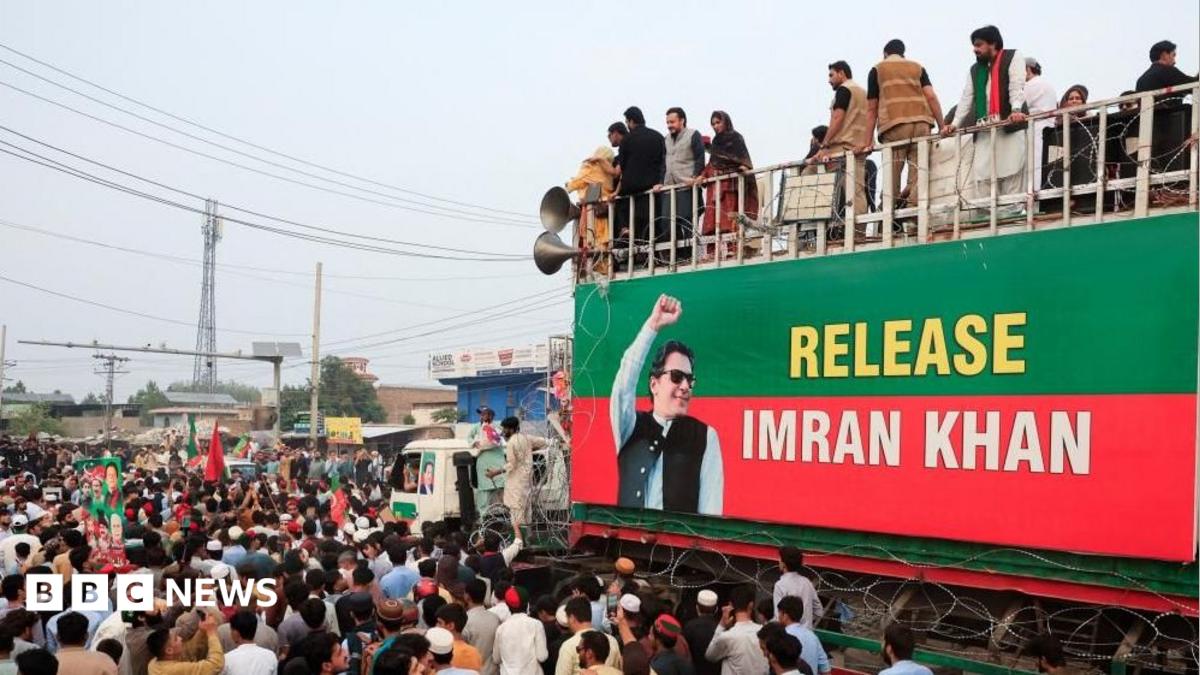
Pakistani authorities have intensified security protocols across the northwestern province of Khyber Pakhtunkhwa, establishing blockades and deploying paramilitary forces to preempt mass mobilizations organized by supporters of incarcerated former Prime Minister Imran Khan. The government's decision to sever road transit and throttle telecommunications infrastructure in key urban hubs represents an escalation in its sustained confrontation with Khan's party, Pakistan Tehreek-e-Insaf (PTI).
Khan has remained imprisoned since August 2023 on an array of legal charges that his followers claim are politically engineered to suppress his electoral mandate. Despite his detention, PTI continues to command significant public momentum, demonstrating a capacity to assemble tens of thousands of demonstrators across urban centers. The current standoff pits the federal coalition government and the powerful military establishment against a decentralized, highly motivated opposition base. Analysts warn that pre-emptive suppression measures, rather than deterring public demonstrations, risk entrenching regional grievances and escalating civil confrontation beyond the state's capacity to contain.
Global Trade & Economic Ripples
The deepening political impasse poses direct challenges to Pakistan's fragile macro-financial stability, which currently hinges on a 37-month, $7 billion Extended Fund Facility from the International Monetary Fund (IMF). Sustained municipal shutdowns, logistical disruptions, and mobile data blackouts directly paralyze commercial operations in major consumer and industrial centers, depressing tax collection and export fulfillment.
Critically, the geographic epicenter of the unrest borders strategic trade routes connecting South Asia with Central Asia and western China. Intermittent blockades along major arterial highways disrupt overland logistics integral to the China-Pakistan Economic Corridor (CPEC), a flagship $62 billion component of Beijing's Belt and Road Initiative. Protracted domestic volatility risks dampening foreign direct investment, widening sovereign bond yield spreads, and triggering foreign exchange volatility for the Pakistani rupee. For international commodity markets, localized infrastructure disruptions complicate energy distribution, port-to-inland fertilizer shipments, and seasonal agricultural exports, particularly cotton and textiles.
Related Intelligence: Southeast Asian Haze Reignites Regional Friction and Agricultural Supply Chain Risks
International Reactions & Diplomatic Stances
International monitoring organizations, multilateral lenders, and key diplomatic partners have voiced growing unease over the trajectory of Pakistan's internal governance. The United Nations Human Rights Office has repeatedly expressed concern over arbitrary detentions, restrictions on peaceful assembly, and judicial irregularities surrounding opposition figures.
Western diplomatic missions, including Washington and European capitals, have called for due process and democratic norms, carefully balancing their human rights rhetoric against their reliance on Islamabad for regional counterterrorism cooperation. Meanwhile, Beijing has maintained public neutrality while quietly signaling the necessity of institutional stability to safeguard ongoing infrastructure assets and Chinese personnel. Credit rating agencies have noted that persistent governance crises present the foremost downside risk to Pakistan's structural reform agenda and sovereign debt sustainability.
Strategic Outlook & Future Scenarios
The immediate trajectory points toward an entrenched war of attrition between state enforcement mechanisms and grassroots opposition networks. Should the federal administration continue to prioritize hard-security interdiction over political dialogue, it risks precipitating intermittent civil disobedience campaigns capable of paralyzing supply chains in federal capitals.
Key inflection points in the coming months include judicial rulings regarding Imran Khan's potential bail hearings, forthcoming IMF program performance reviews, and public pushback against escalating utility tariffs mandated by austerity programs. If civil unrest escalates into widespread strikes, Pakistan's ruling coalition may face diminishing leverage, forcing either emergency legal measures or reluctant backchannel negotiations to establish a durable political baseline.
Join Our Official WhatsApp Channel
Receive live commodity alerts, policy changes, and commercial intelligence directly on WhatsApp.