
Southeast Asian Haze Reignites Regional Friction and Agricultural Supply Chain Risks
Escalating cross-border toxic smog driven by illegal land-clearing in Indonesia has renewed diplomatic tension with neighboring states while threatening agricultural supply chains and trade stability.
Geopolitical & Core Developments
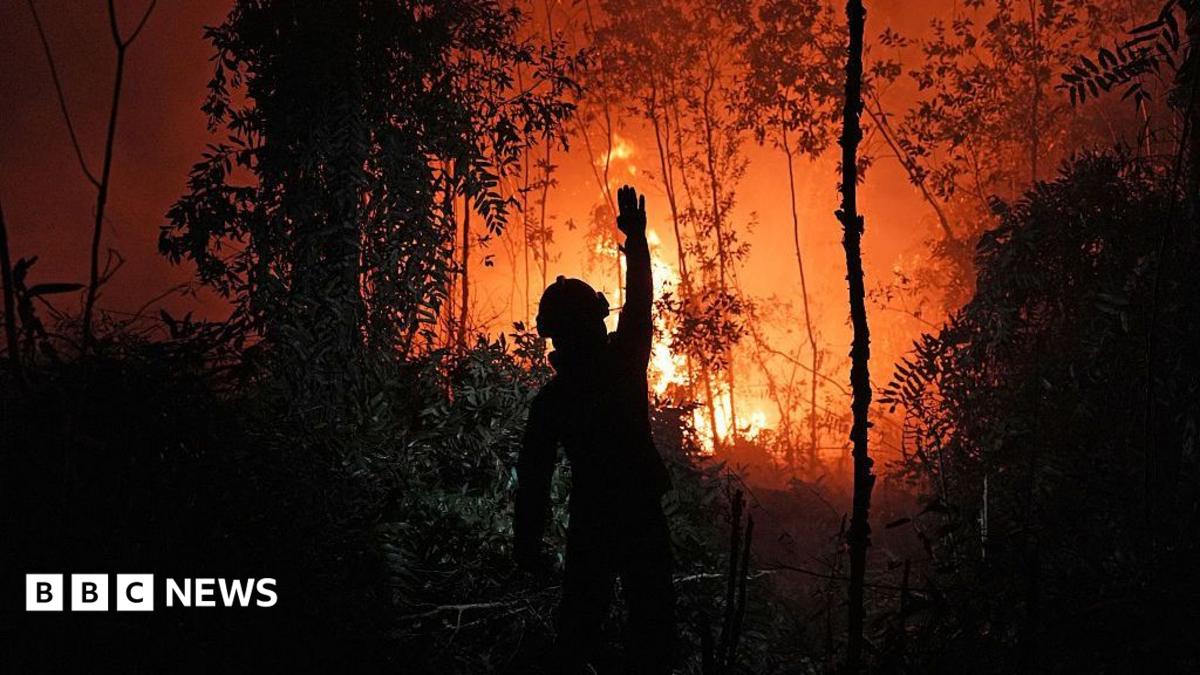
The recurrence of severe transboundary haze across Southeast Asia has precipitated a fresh wave of diplomatic acrimony between Indonesia, Malaysia, and Singapore. The crisis originates primarily in Sumatra and Kalimantan, where agricultural conglomerates, medium-scale operators, and smallholder farmers utilize slash-and-burn methodologies to clear carbon-rich peatlands rapidly. Despite statutory prohibitions against deliberate burning, dry conditions exacerbated by regional weather patterns have allowed uncontrolled wildfires to blanket vast swathes of the Strait of Malacca in hazardous particulate matter.
Diplomatic frictions have escalated as Kuala Lumpur and Singapore lodge formal representations with Jakarta. Indonesian officials have countered allegations by asserting that transboundary smoke trajectory data remains inconclusive, claiming fires have also emerged within neighboring territories. However, regional air quality indices consistently breach hazardous thresholds, shuttering schools, grounding domestic aviation, and generating significant public fury. The issue cuts to the core of sovereignty, regional governance, and enforcement credibility, revealing the persistent vulnerability of Southeast Asian states to domestic regulatory lapses within the region's largest economy.
Global Trade & Economic Ripples
The economic fallout extends beyond domestic tourism and healthcare expenditures, exerting immediate pressure on international commodity markets. Indonesia and Malaysia together account for more than 85 percent of global palm oil production. Uncontrolled burning and subsequent logistics bottlenecks disrupt harvesting schedules and port operations, injecting volatility into crude palm oil futures traded on the Bursa Malaysia Derivatives and international exchanges.
Beyond direct operational delays, international consumer packaged goods conglomerates face intensified regulatory scrutiny regarding supply chain provenance. European Union Deforestation Regulation (EUDR) benchmarks and heightened Environmental, Social, and Governance (ESG) compliance mandates mean that institutional investors and global buyers are threatening off-take suspensions for producers linked to illegal land clearing. Furthermore, reduced visibility and respiratory hazards intermittently disrupt littoral navigation along the Strait of Malacca, one of the world's most critical maritime chokepoints for energy transfers and container traffic.
Related Intelligence: Sovereign Wealth Sport Investments Face Scrutiny Amid Manchester City Legal Battle
International Reactions & Diplomatic Stances
The diplomatic fallout has highlighted the institutional limitations of regional bodies. The Association of Southeast Asian Nations (ASEAN) Specialised Meteorological Centre (ASMC) continues to issue elevated alert levels, yet the 2002 ASEAN Agreement on Transboundary Haze Pollution remains structurally constrained by the non-interference doctrine foundational to the bloc. Member states lack legal mechanisms to enforce compensatory claims or initiate binding arbitration against sovereign jurisdictions failing to control domestic arson.
Singapore has previously leveraged its Transboundary Haze Pollution Act, which extraterritorially targets overseas companies responsible for air pollution reaching the city-state. Indonesian authorities, however, view such external legal mechanisms as infringements on national jurisdiction. Concurrently, environmental watchdogs and international non-governmental organizations have demanded comprehensive public disclosure of concession maps, accusing regulatory agencies of shielding politically connected agribusiness syndicates from criminal liability and asset forfeitures.
Strategic Outlook & Future Scenarios
The trajectory of the crisis will depend heavily on seasonal monsoons and administrative accountability. If Indonesian enforcement authorities fail to execute high-profile land-sealing operations and prosecute corporate concessionaires, bilateral relationships within ASEAN will fray further. A sustained haze event risks derailing collaborative regional initiatives on cross-border power grids, carbon-credit frameworks, and regional trade harmonization.
Over the medium term, the commercial consequences for Southeast Asian agribusiness will intensify. As Western markets implement zero-deforestation verifications, suppliers unable to certify traceability will risk exclusion from global supply chains. Financial institutions and sovereign wealth funds are already reassessing credit facilities extended to regional plantation groups lacking robust zero-burn monitoring. Absent a structural overhaul of land titling, fire prevention funding, and multinational legal cooperation, the recurring crisis will continue to undermine Southeast Asia's standing as a stable trade and investment hub.
Join Our Official WhatsApp Channel
Receive live commodity alerts, policy changes, and commercial intelligence directly on WhatsApp.