
Former DRC President Kabila Aligns with M23 Rebels Shaking Central Africa
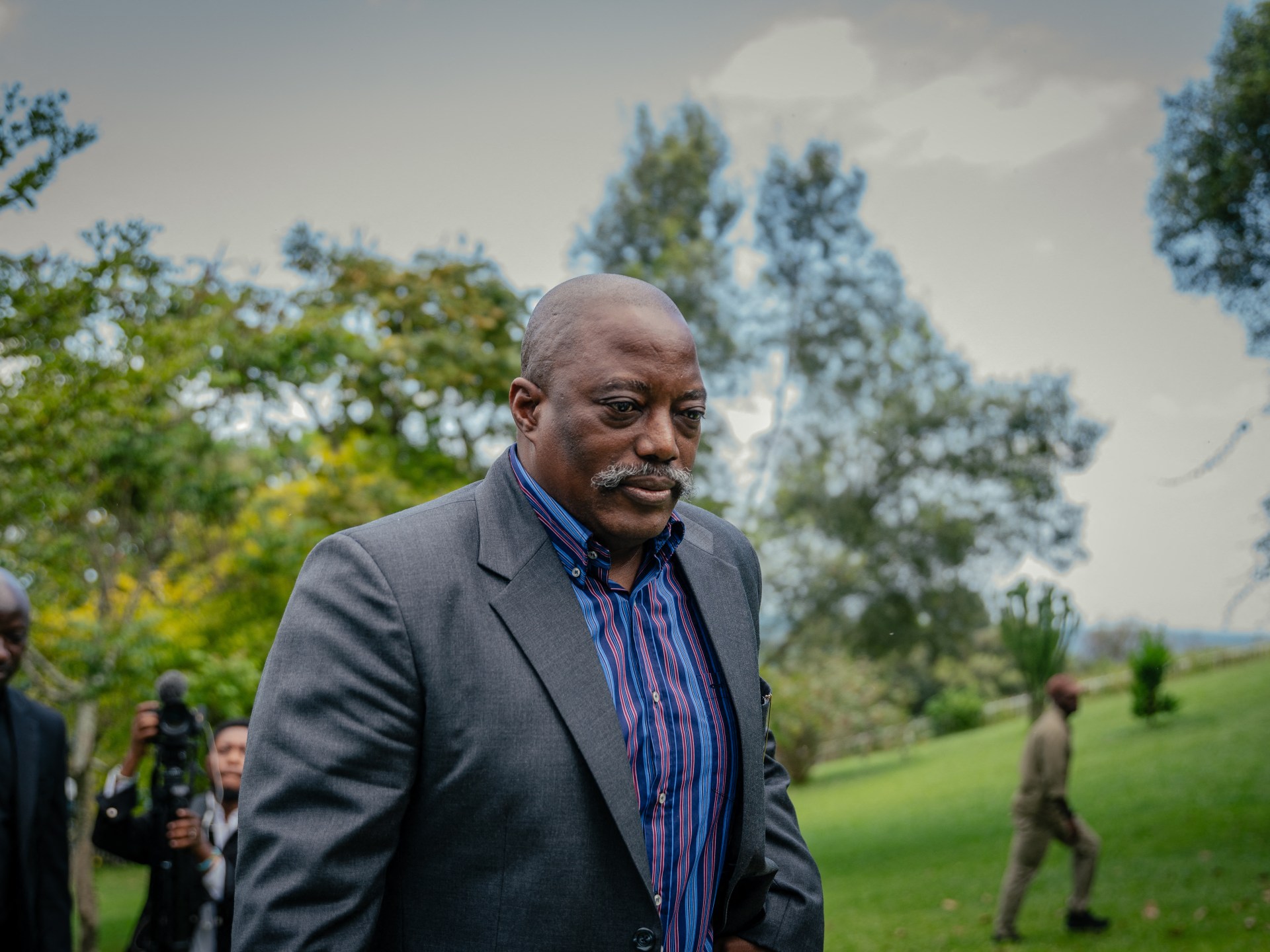
Former DRC President Joseph Kabila has formed an alliance with the M23 rebel movement, escalating regional political volatility and jeopardizing vital global critical mineral supply chains.
Geopolitical & Core Developments
The political landscape of Central Africa has suffered a seismic rupture following confirmation that former Democratic Republic of the Congo (DRC) President Joseph Kabila has aligned his political machinery with the March 23 Movement (M23) rebel coalition. For months, the administration of incumbent President Félix Tshisekedi in Kinshasa accused Kabila of covertly supporting the insurgency operating across the mineral-rich North Kivu province. Kabila’s overt convergence with the rebel umbrella group, operating under the broader Alliance Fleuve Congo (AFC) front led by former electoral chief Corneille Nangaa, fundamentally shifts the conflict from a localized eastern insurgency into an existential, nationwide constitutional crisis.
Kabila, who governed the DRC from 2001 to 2019, retains deep-seated patronage networks within the Congolese military apparatus (FARDC), commercial sectors, and regional intelligence hubs. The formalization of this alliance threatens to destabilize Kinshasa from within while M23 forces consolidate territorial control around the strategic hub of Goma. The geopolitical stakes extend directly to neighboring Rwanda, which Kinshasa and United Nations panels of experts accuse of providing direct military backing to M23—allegations Kigali routinely denies while citing threats posed by the Democratic Forces for the Liberation of Rwanda (FDLR).
Global Trade & Economic Ripples
The deepening military-political convergence poses severe risks to global supply chains reliant on eastern and southern DRC mineral corridors. The DRC supplies more than 70 percent of the world's cobalt, alongside world-class reserves of copper, tantalum (coltan), tin, and gold, which are indispensable to the global aerospace, electronics, and automotive manufacturing sectors.
While industrial copper and cobalt extraction is largely concentrated in the southern Katanga region—historically Kabila’s power base—a broader civil confrontation risks paralyzing logistics corridors running to ports in Tanzania and South Africa. Artisanal and semi-industrial mining hubs in North and South Kivu face immediate operational disruptions, driving up smuggling volumes and illicit mineral laundering through neighboring states. International buyers, constrained by rigorous supply-chain due diligence laws such as the US Dodd-Frank Act and European Union critical raw materials regulations, face heightened legal and ESG exposure, threatening to trigger price premiums for compliant battery and technology metals.
Related Intelligence: Trump Announces Energy and Critical Mineral Exploration Push in Greenland
International Reactions & Diplomatic Stances
Kinshasa has intensified its rhetoric, framing the Kabila-M23 alliance as high treason and an orchestrated attempt by foreign and domestic actors to balkanize the republic. Government spokespersons have signaled that legal proceedings and targeted domestic crackdowns on Kabila's political allies are imminent.
The United Nations Organization Stabilization Mission in the DRC (MONUSCO), currently undergoing a phased withdrawal, expressed grave alarm over the expanding rebel coalition, warning that political realignment with armed actors will exacerbate an already catastrophic humanitarian crisis involving millions of displaced civilians. The African Union, alongside the East African Community (EAC) and the Southern African Development Community (SADC)—which maintains active intervention forces in eastern Congo—have urged an immediate cessation of hostilities and adherence to the Luanda and Nairobi peace frameworks. Western capitals, including Washington and Brussels, have renewed calls for respect of Congolese sovereignty, cautioning against any internal subversion that dismantles democratic governance.
Strategic Outlook & Future Scenarios
The trajectory of the DRC points toward accelerated polarization. In the near term, Kinshasa is expected to escalate domestic security operations, clamp down on Kabila-aligned figures, and push SADC forces into more offensive operations against M23-AFC positions. However, if Kabila's networks successfully trigger defections within the national army, Tshisekedi’s administration will confront multi-front armed resistance spanning from the eastern borderlands toward the capital.
Upcoming multilateral deliberations, including African Union peace summits, will face immense pressure to address state-level tensions between Kinshasa and Kigali directly. Should diplomatic tracks collapse, the risk of international sanctions on key political actors will surge, compounded by potential maritime, transport, and insurance premiums on raw materials originating from Central Africa. The convergence marks a perilous juncture, threatening regional peace frameworks and reinforcing systemic risks across the global critical minerals economy.
Join Our Official WhatsApp Channel
Receive live commodity alerts, policy changes, and commercial intelligence directly on WhatsApp.