
French Student Protests Escalate Amid Deepening Domestic and European Economic Tensions
French student protests have entered their fourth week, signaling entrenched civil dissatisfaction that threatens domestic political stability and compounds broader eurozone economic headwinds.
Geopolitical & Core Developments
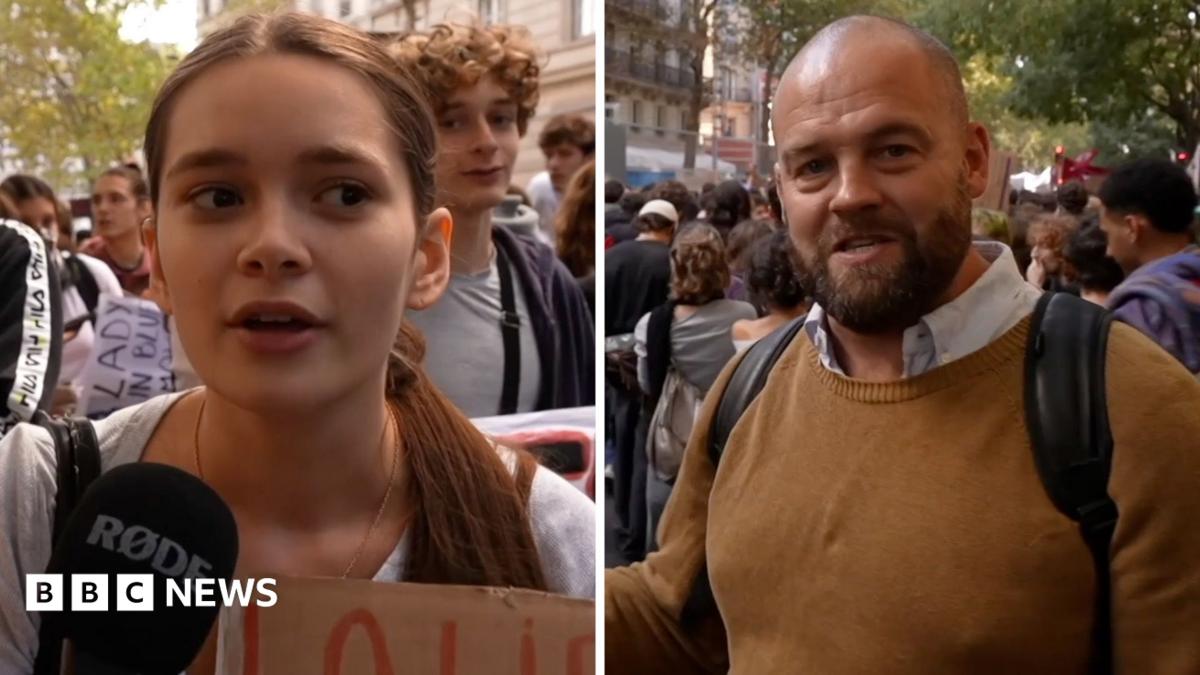
Civil unrest in France has intensified as coordinated student protests enter their fourth consecutive week, paralyzing major university campuses across Paris and regional hubs. Demonstrators have maintained blockades, staged sit-ins, and engaged in intermittent clashes with security forces, asserting that institutional authorities remain deaf to fundamental socioeconomic grievances. The protest movement, initially sparked by education reforms, austerity measures, and broader cost-of-living constraints, has progressively morphed into a wider challenge against the administration of President Emmanuel Macron.
The timeline of escalation reflects entrenched disillusionment among youth demographics who perceive executive policymaking as disconnected from working- and middle-class realities. Major faculties in Paris, including historically politically active universities, have suspended in-person examinations and lectures. French law enforcement agencies have responded with fortified perimeters, deployment of specialized public-order units, and tactical dispersals. The broader strategic stakes extend well beyond university halls; persistent domestic volatility weakens France's leadership leverage within the European Union, particularly as Paris attempts to project decisive diplomatic and military strength across multilateral arenas.
Global Trade & Economic Ripples
While student demonstrations do not immediately shut down critical maritime choke points, prolonged civil instability in the eurozone's second-largest economy carries measurable spillover effects into commerce and macroeconomic indicators. Metropolitan transit disruptions in the Île-de-France region have hindered intra-European logistics and commercial freight movement, compounding localized retail losses. Tourism and hospitality, core contributors to the French balance of payments, face heightened cancellations as international travel advisories flag urban volatility.
From a financial vantage point, continuous social friction places upward pressure on French sovereign bond yields. The spread between French 10-year OATs (Obligations Assimilables du Trésor) and German Bunds has witnessed widening tendencies as international asset managers factor in sovereign governance friction. A protracted wave of civil resistance challenges French fiscal consolidation plans, potentially complicating Paris's deficit targets set under the European Commission's fiscal framework. Currency markets have registered mild volatility, with the euro reflecting sensitivity toward internal political fragmentations across Western Europe.
Related Intelligence: West Bank Escalation Threatens Levant Stability and Regional Trade Routes
International Reactions & Diplomatic Stances
Neighboring European Union member states are monitoring developments with caution, cognizant of how social protest dynamics historically propagate across continental borders. In Brussels, officials have refrained from overt commentary on internal public order, yet economic policymakers express quiet concern regarding potential disruption to productivity and public balance sheets. International human rights monitors have urged security forces to exercise restraint, citing escalating complaints of disproportionate crowd-control tactics.
Conversely, rating agencies and institutional market analysts warn that chronic civil unrest diminishes consumer sentiment and deters foreign direct investment. Global macroeconomic research desks highlight that prolonged street-level confrontation undermines France's reform credibility. International trading houses are evaluating whether the student-led mobilization will fuse with organized labor syndicates, an inflection point that previously precipitated nationwide transport and refinery shutdowns.
Strategic Outlook & Future Scenarios
The trajectory of the current crisis hinges on whether ministerial interlocutors can successfully establish credible dialogue channels with student representatives or if continued hardline containment will broaden the movement's base. If key labor confederations formally align with the youth-led action, France could face rolling cross-sector strikes affecting national rail operators (SNCF), maritime ports, and municipal energy distribution networks.
In an alternative scenario, targeted fiscal concessions, educational subventions, and administrative appeasement could gradually defuse street presence ahead of seasonal recesses. However, the foundational structural fissures—escalating urban living expenses, student poverty, and deep-seated political alienation—remain fundamentally unresolved. For international stakeholders and global market observers, France's immediate outlook remains defined by heightened social fragility and policy execution risk.
Join Our Official WhatsApp Channel
Receive live commodity alerts, policy changes, and commercial intelligence directly on WhatsApp.