
Pakistan Economic Stability Threatened as Government and PTI Talks Collapse
The collapse of high-stakes negotiations between the Pakistani government and Pakistan Tehreek-e-Insaf has heightened political uncertainty, threatening fragile economic stabilization efforts and commercial markets.
The Core Development
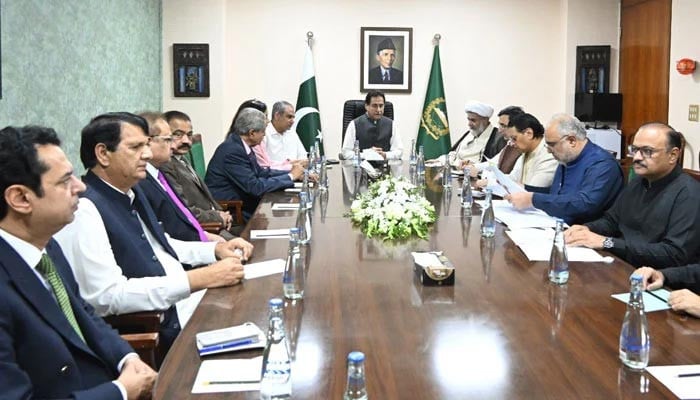
High-stakes negotiations between the federal government and the opposition Pakistan Tehreek-e-Insaf (PTI) aimed at averting a major political confrontation have officially collapsed. The breakdown follows weeks of back-channel maneuvers and formal dialogues mediated by neutral stakeholders to find common ground on electoral transparency, constitutional reforms, and the timeline for future political engagement. Both sides hardened their respective stances over the weekend, leading to an abrupt halt in communication. Government representatives maintained that the opposition's demands regarding fresh snap elections and judicial interventions exceeded constitutional limits, while PTI leadership accused the ruling coalition of acting in bad faith and refusing to address widespread grievances stemming from the contentious 2024 general elections. The failure of these talks sets the stage for renewed street agitation by PTI, raising specters of widespread protests across major urban centers, particularly in Punjab and Khyber Pakhtunkhwa, and subsequent state countermeasures.
Commercial & Economic Implications
For Pakistan's fragile economy, the collapse of political dialogue carries severe commercial and financial repercussions. Financial markets, which had shown tentative signs of stabilization following the recent International Monetary Fund (IMF) program approvals, reacted with immediate nervousness. Wholesale and retail trade sectors across major commercial hubs like Karachi, Lahore, and Faisalabad are bracing for supply chain disruptions, transportation bottlenecks, and localized shutdowns should political rallies escalate into prolonged civil unrest. Persistent political uncertainty directly impacts consumer sentiment and inflationary pressures. Supply chains are vulnerable to sudden transport strikes and container blockades, which historically drive up perishable food prices and elevate logistics costs for domestic manufacturers. Furthermore, foreign direct investment (FDI) inflows, critical for bolstering dwindling foreign exchange reserves, remain stalled as international investors adopt a cautious wait-and-see approach amid heightening governance risks.
Related Intelligence: Pakistan Tehreek-e-Insaf Launches Islamabad Long March Amid Economic Uncertainty
Stakeholder Perspectives & Market Reactions
Business and trade bodies have expressed deep dismay over the deadlock. Representatives from the Federation of Pakistan Chambers of Commerce and Industry (FPCCI) and various urban trader associations issued joint statements warning that continuous political friction paralyzes industrial expansion and domestic commerce. Retailers report a sharp contraction in discretionary consumer spending as households prioritize liquidity preservation over non-essential purchases. Legal experts and constitutional analysts have similarly criticized the inflexibility of both political factions, noting that bypassing parliamentary forums in favor of confrontational politics undermines institutional credibility. Official statements from cabinet ministers reiterate the state's resolve to maintain public order and protect critical economic corridors, while PTI leaders maintain that peaceful protest remains their sole constitutional recourse against what they term an unrepresentative mandate.
Forward Outlook & Key Watchpoints
As political confrontation looms, key watchpoints for financial analysts and business leaders include the intensity and geographic scope of upcoming PTI protests, potential police crackdowns, and the government's fiscal policy response. Markets will closely monitor whether secondary channels of reconciliation can be revived behind the scenes before economic indicators suffer permanent damage. Sustained political instability risks derailing structural reforms mandated by international lenders, potentially delaying critical tranches of financial assistance and forcing the State Bank of Pakistan to maintain restrictive monetary stances to counter capital flight and currency depreciation.
Join Our Official WhatsApp Channel
Receive live commodity alerts, policy changes, and commercial intelligence directly on WhatsApp.