
Yemeni Government Launches Major Offensive Against Houthis Amid Regional Tensions
Yemen's leadership has announced a sweeping military campaign to reclaim Houthi-held territory, triggering fresh regional instability and heightening risks for global maritime trade and energy markets.
Geopolitical & Core Developments
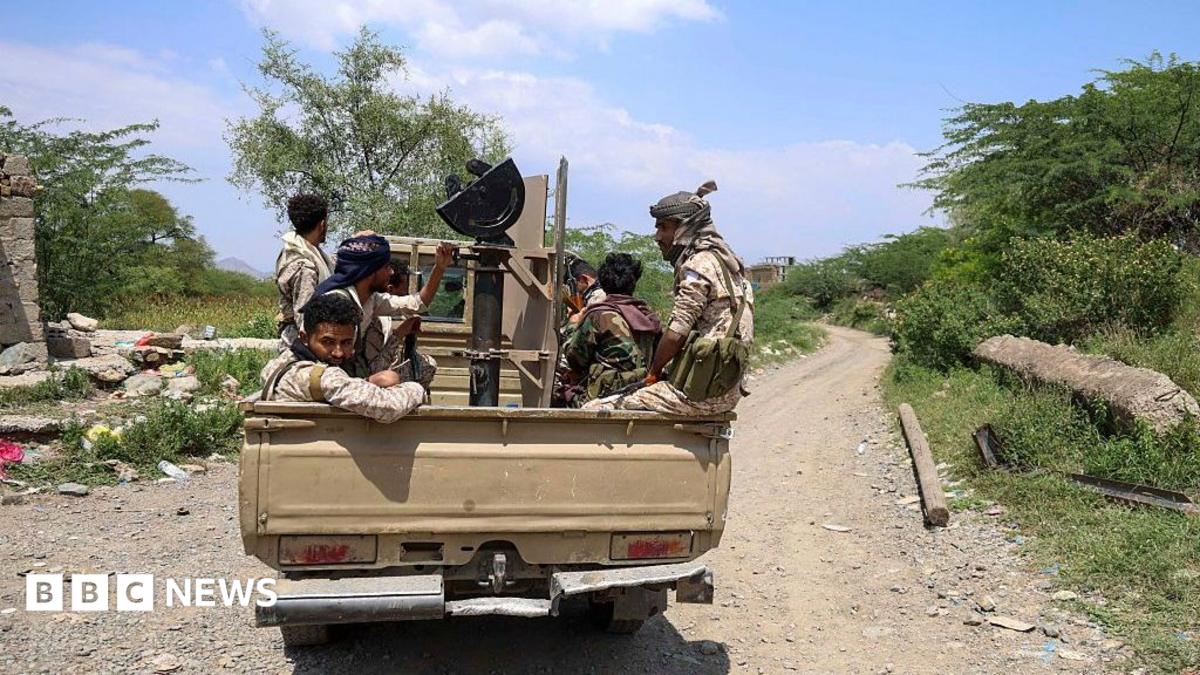
The internationally recognized government of Yemen has formally announced a comprehensive military campaign aimed at reclaiming strategic territories currently under the control of Iran-backed Houthi forces. This decisive declaration follows an intensifying cycle of cross-border strikes, missile exchanges, and aerial bombardments between Houthi combatants and the Saudi-led coalition supporting the Yemeni state. The announcement marks a significant departure from the fragile, unformalized ceasefires that have largely defined the domestic conflict over the past year, signaling a return to active kinetic operations along multiple frontlines.
At the heart of the strategic stakes is control over vital population centers, transport arteries, and critical infrastructure. State officials emphasize that restoring sovereign authority is essential for stabilizing the domestic political landscape and countering external influence by Tehran, which Western and Gulf intelligence agencies accuse of supplying advanced ballistic missiles and drone technology to the insurgent group. The renewed hostilities threaten to unravel delicate regional diplomatic backchannels, particularly as neighboring powers navigate a complex web of detente and security recalibrations in the Arabian Peninsula.
Global Trade & Economic Ripples
The escalation in Yemen carries profound implications for global trade, maritime commerce, and commodity markets. The Bab el-Mandeb strait, located immediately off Yemen's coast, serves as a vital global chokepoint through which millions of barrels of crude oil and refined products transit daily between the Indian Ocean and the Suez Canal. Any sustained military campaign or renewed Houthi asymmetric warfare targeting commercial shipping lanes risks driving up marine war-risk insurance premiums, forcing international shipping lines to reroute vessels around the Cape of Good Hope, and inducing severe supply chain delays.
Energy markets have reacted with heightened volatility, as traders reprice geopolitical risk premiums into Brent crude futures and liquefied natural gas (LNG) benchmarks. Prolonged instability in the southern Arabian Peninsula threatens to disrupt regional refinery outputs and complicate global fertilizer supply chains reliant on Middle Eastern petrochemical inputs. Furthermore, shipping costs and container freight rates face upward pressure, potentially exacerbating inflationary tendencies across major importing economies in Europe and Asia.
Related Intelligence: Russian Strikes on Kyiv Bridges Trigger Renewed Supply Chain Anxieties
International Reactions & Diplomatic Stances
The international community has responded to the announcement with a mixture of grave concern and urgent diplomatic appeals. United Nations special envoys have called for immediate de-escalation, warning that a renewed full-scale military campaign will exacerbate an already catastrophic humanitarian crisis within Yemen, where millions remain dependent on international food aid and emergency relief. Western capitals have reiterated their support for Yemeni territorial integrity while simultaneously urging regional stakeholders to exercise maximum restraint to prevent a wider conflagration.
Market analysts and geopolitical risk consultancies note that foreign ministries are closely monitoring the operational scope of the government's offensive. Diplomatic efforts led by regional mediators are scrambling to establish secure communication channels between the warring parties, aiming to prevent tactical skirmishes from triggering a broader regional war that could draw in external military powers and destabilize the wider Middle East.
Strategic Outlook & Future Scenarios
Looking ahead, the trajectory of the Yemeni conflict hinges on the military efficacy of the government's newly announced campaign and the logistical response of the Houthi movement. Should the offensive achieve material territorial gains, it could alter the balance of power and force the insurgents back to the negotiating table under unfavorable terms. Conversely, a prolonged stalemate or successful Houthi counter-offensive would likely cement territorial division, perpetuate maritime security threats, and institutionalize the militarization of the Red Sea basin.
Upcoming multilateral summits and security forums are expected to feature urgent agenda items addressing Red Sea freedom of navigation and coordinated counter-proliferation measures. Investors and multinational corporations with exposure to Eurasian trade routes must prepare for persistent operational volatility, adapting their logistical frameworks to navigate a permanently altered risk landscape in one of the world's most critical maritime corridors.
Join Our Official WhatsApp Channel
Receive live commodity alerts, policy changes, and commercial intelligence directly on WhatsApp.