
Pakistan Tehreek-e-Insaf Launches Islamabad Long March Amid Economic Uncertainty
Pakistan Tehreek-e-Insaf has initiated its long march toward Islamabad following the collapse of political negotiations, triggering nationwide economic concerns and severe logistical disruptions.
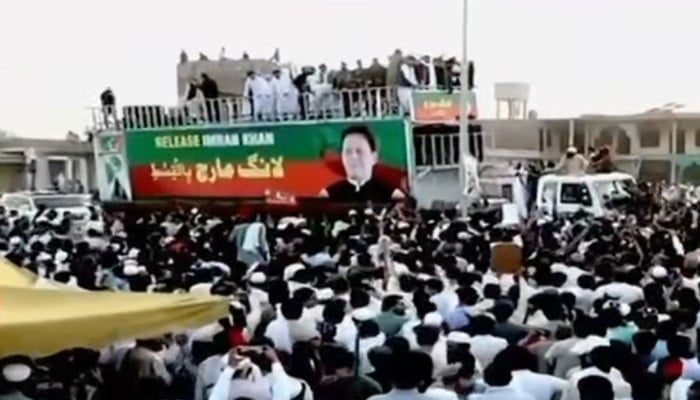
The Core Development
Pakistan Tehreek-e-Insaf (PTI) officially commenced its high-stakes long march toward the federal capital of Islamabad early this week, following the complete collapse of backchannel negotiations between party leadership and government emissaries. The breakdown of talks occurred after deadlock over core political demands, including the release of detained party members and broader electoral reforms. Convoys began mobilizing from key strongpoints in Punjab and Khyber Pakhtunkhwa, converging on major highway arteries leading into Islamabad. Law enforcement agencies have responded with extensive container blockades, trenching, and Section 144 enforcements across Islamabad and Rawalpindi, effectively paralyzing inter-city movement. The administration has deployed heavy contingents of paramilitary forces alongside local police units, transforming the capital into a high-security zone and bringing routine administrative functions to a standstill.
Commercial & Economic Implications
For Pakistan's fragile economy, the timing of the long march introduces severe operational risks. Major commercial transport routes connecting northern industrial hubs with southern ports have experienced immediate bottlenecks. Wholesale distribution networks report significant delays in the dispatch of perishable commodities, fast-moving consumer goods, and industrial raw materials. Retail markets in major urban centers are already registering supply shortages, driving up spot prices for essential food items and fuel. Industry analysts estimate that prolonged disruptions to national supply chains could shave vital percentages off regional GDP growth figures for the current quarter. Furthermore, transport operators face escalating operational overheads due to extended detours and fuel wastage, costs that are invariably passed down to the end consumer, exacerbating domestic inflationary pressures.
Related Intelligence: Khyber Pakhtunkhwa Chief Minister Leads PTI March Toward Islamabad Amid High Security
Stakeholder Perspectives & Market Reactions
Punjab and federal trader associations have expressed profound dismay over the resurgence of political agitation, noting that commercial districts are yet to fully recover from previous cycles of civil unrest. In statements released by prominent chambers of commerce, business leaders emphasized that ongoing blockades threaten daily retail turnovers, which are crucial for maintaining cash flow among small and medium enterprises. Industrial bodies warned that international buyers are closely monitoring the political instability, raising concerns over export fulfillment timelines and foreign investor confidence. Legal experts have meanwhile questioned the proportionality of sweeping administrative lockdowns, arguing that while public order must be maintained, blanket economic shutdowns inflict disproportionate collateral damage on the broader financial ecosystem.
Forward Outlook & Key Watchpoints
As convoys push closer to the federal capital, market participants and economic monitors are focusing on several critical indicators over the coming days. The immediate duration of the standoff remains the primary variable; a protracted confrontation lasting more than a week threatens to severely strain national petroleum reserves and food storage capacities. Key watchpoints include potential interventions by the higher judiciary to compel renewed dialogue, the fiscal cost of heavy security deployments absorbed by provincial exchequers, and the extent to which inter-provincial trade corridors can be kept operational through alternative bypass routes. Policymakers face a narrow window to de-escalate tensions before commercial confidence suffers irreversible damage.
Join Our Official WhatsApp Channel
Receive live commodity alerts, policy changes, and commercial intelligence directly on WhatsApp.