
Flydubai Incident Sparks Intense Security and Trade Scrutiny
Official investigations into the Flydubai attack face rigorous international scrutiny, triggering widespread evaluations of regional aviation security and commercial logistics resilience across vital Middle Eastern corridors.
Geopolitical & Core Developments
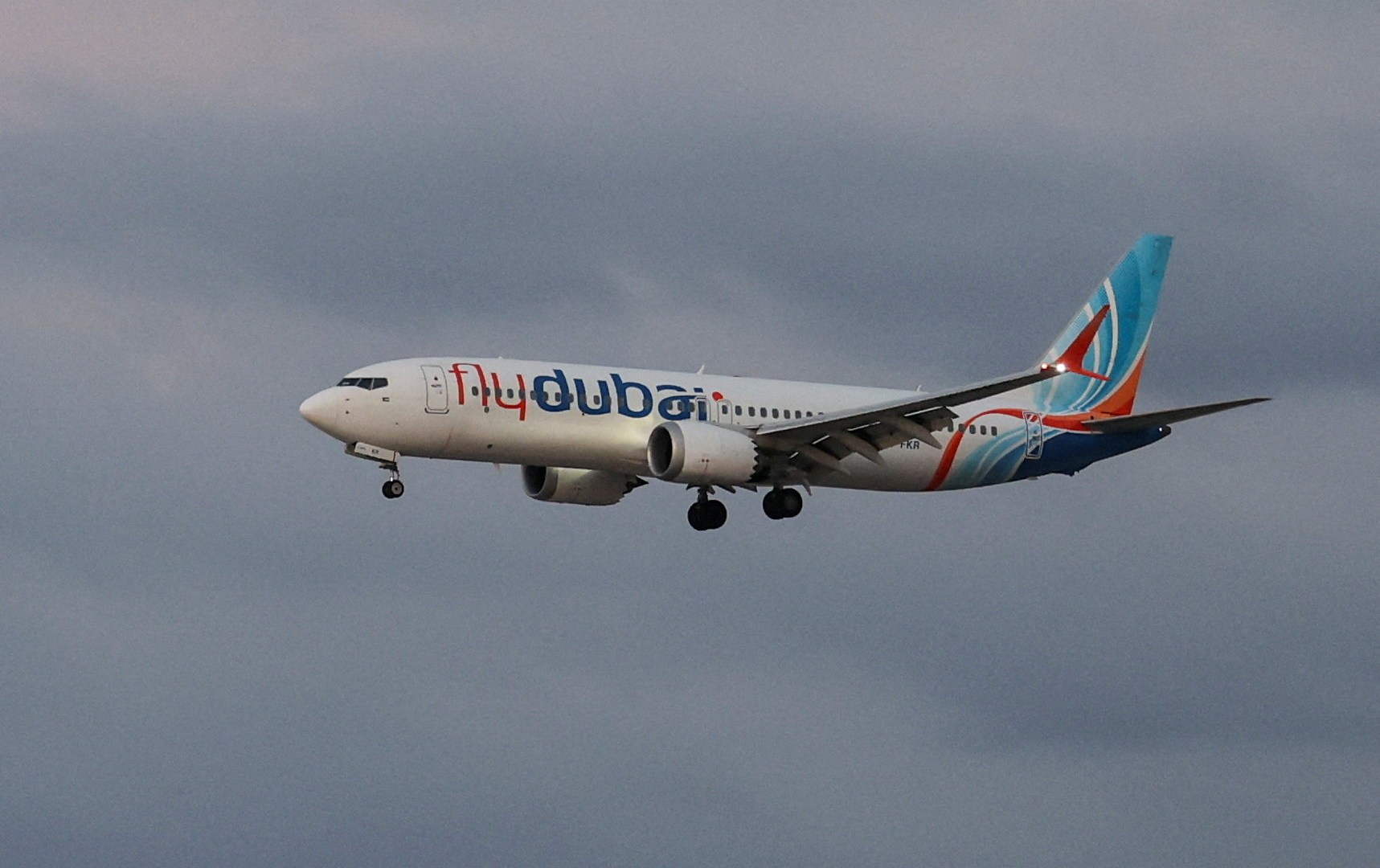
The recent security incident involving a Flydubai flight has ignited a complex diplomatic and investigative scramble across the Middle East. As aviation authorities and intelligence agencies attempt to piece together the sequence of events, official narratives released by state actors have come under intense international scrutiny. The incident, occurring within a volatile regional airspace, underscores the fragile security architecture governing civil aviation in zones of heightened geopolitical tension. State actors and multilateral aviation bodies are demanding transparent telemetry, air traffic control logs, and unedited communications to determine the exact nature of the threat vector. This scrutiny places immense pressure on regional governments to balance national security transparency with sovereign defense disclosures, all while maintaining confidence in critical transport infrastructure.
Global Trade & Economic Ripples
The commercial implications of the Flydubai attack extend far beyond passenger aviation, sending immediate shockwaves through global trade networks, energy markets, and logistics corridors. International carriers and cargo operators are rapidly reassessing flight paths, leading to longer transit times, increased fuel consumption, and higher operational overheads. In regions where air freight serves as a vital supply chain artery for high-value commodities, electronics, and perishable goods, these reroutings threaten to exacerbate existing inflationary pressures. Furthermore, shipping and logistics underwriters are factoring elevated risk premiums into regional transit insurance policies, impacting profit margins for multinational corporations reliant on Middle Eastern transit hubs. Energy markets, particularly sensitive to logistical disruptions in the Persian Gulf and surrounding airspace, are closely monitoring potential spillover effects on regional stability and transport security.
Related Intelligence: US Marine Arrested in Japan Sparking Diplomatic and Security Tensions
International Reactions & Diplomatic Stances
Global bodies, including the International Civil Aviation Organization (ICAO) and the United Nations, have expressed deep concern over the security breach, issuing urgent calls for an independent, transparent investigation. Major international governments have weighed in with cautious diplomatic statements, emphasizing the paramount importance of protecting civil aviation from hostile interference under international law. Market analysts and geopolitical risk consultancies warn that unresolved questions regarding the attack could lead to retaliatory diplomatic measures or unilateral airspace closures. Meanwhile, commercial aviation unions and industry associations are lobbying for standardized international protocols to protect civilian flights operating near active conflict zones or contested regional flashpoints.
Strategic Outlook & Future Scenarios
Looking ahead, the fallout from the Flydubai incident is poised to reshape strategic risk assessments for commercial operators across the globe. Upcoming international transport summits and bilateral diplomatic talks will likely focus on tightening enforcement of civil aviation safety mandates and establishing real-time threat-sharing mechanisms between intelligence agencies and commercial airlines. Should investigations reveal systemic vulnerabilities or state negligence, governments may face targeted sanctions or coordinated international pressure to overhaul regional air defense coordination. Ultimately, the trajectory of this crisis will depend on the credibility of ongoing probes and the willingness of regional powers to cooperate in safeguarding global supply chains and passenger transit against asymmetric security threats.
Join Our Official WhatsApp Channel
Receive live commodity alerts, policy changes, and commercial intelligence directly on WhatsApp.