
US Marine Arrested in Okinawa Sparking Fresh Diplomatic Friction
Japan has issued a formal protest to Washington following the arrest of a US Marine for murder in Okinawa, reigniting debates over American military presence and regional security pacts.
Geopolitical & Core Developments
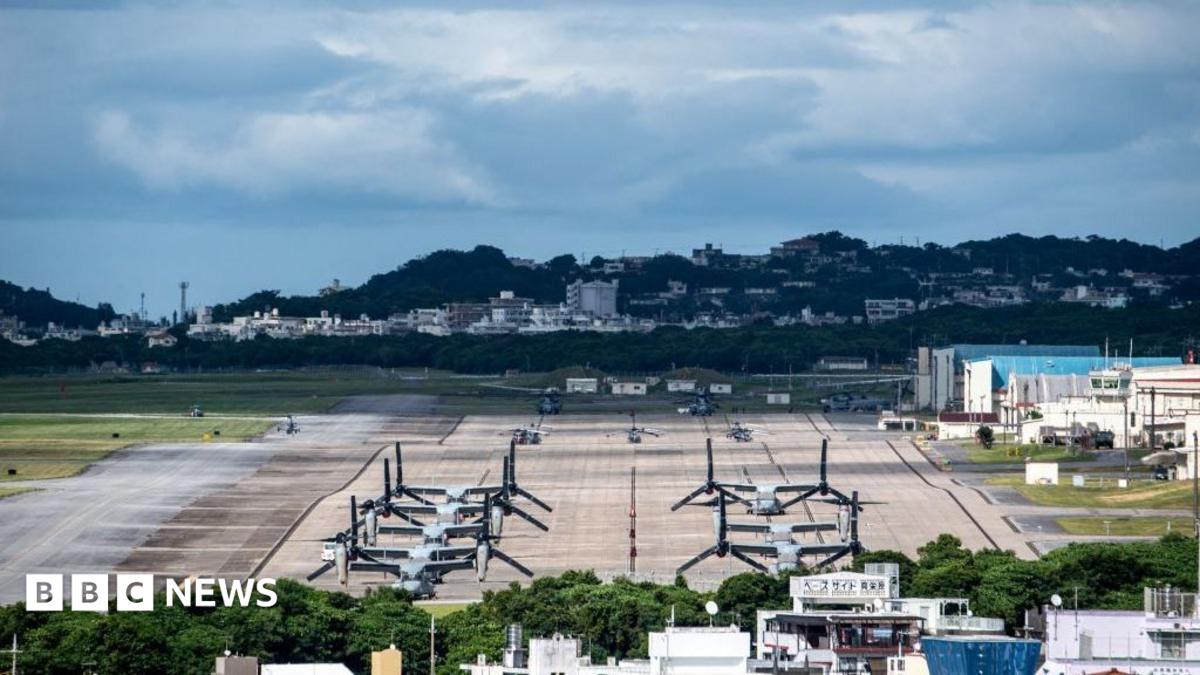
The arrest of a United States Marine in Okinawa on murder charges has once again thrust the complex security dynamic between Washington and Tokyo into the international spotlight. The incident, which prompted a swift and stern formal protest from the Japanese government, touches upon deeply sensitive historical grievances regarding the heavy concentration of American military assets on the strategically vital Japanese island prefecture. Okinawa hosts the vast majority of US military personnel stationed in Japan, a deployment that remains critical to the US-Japan Security Treaty and broader American defense strategy in the Indo-Pacific region.
However, the presence of foreign armed forces has perennially generated domestic friction, with local residents frequently protesting against noise, environmental concerns, and criminal offenses linked to service members. The latest legal infraction not only disrupts local stability but also places immediate pressure on bilateral diplomatic channels to address jurisdictional nuances under the Status of Forces Agreement (SOFA), which has historically shielded US military personnel from local prosecution under certain operational conditions.
Global Trade & Economic Ripples
While military criminal investigations rarely trigger direct shocks in global commodity exchanges, geopolitical friction in the Indo-Pacific carries undeniable secondary implications for international trade corridors and regional investor sentiment. Okinawa sits at a crucial geographical crossroads in the East China Sea, adjacent to vital maritime shipping lanes utilized by bulk carriers, container ships, and energy tankers transiting between Southeast Asian manufacturing hubs, Taiwan, and East Asian economic powerhouses such as South Korea and Japan.
Prolonged social unrest or political friction stemming from military incidents can complicate port logistics, municipal security expenditures, and regional defense supply chains. Furthermore, heightened diplomatic tensions between key democratic allies are closely monitored by global markets as an indicator of alliance cohesion, which underpins the stability of regional currencies, including the Japanese Yen, and foreign direct investment flows across the broader East Asian theater.
Related Intelligence: Russian Strikes on Kyiv Bridges Trigger Renewed Supply Chain Anxieties
International Reactions & Diplomatic Stances
Tokyo's Ministry of Foreign Affairs acted swiftly to register its deep regret and formal protest, demanding that US military authorities enact stringent disciplinary measures, cooperate fully with local Japanese law enforcement, and implement robust preventative protocols to preclude future offenses. In Washington, Pentagon officials and the leadership of the US Marine Corps Forces Japan issued statements expressing profound condolences to the victim's family, emphasizing a commitment to absolute transparency and full cooperation with Japanese judicial authorities.
Regional governance bodies in Okinawa have intensified calls for a comprehensive revision of the SOFA agreement, arguing that existing legal frameworks undermine local sovereignty and public safety. International human rights monitors and multilateral observers have noted that the case serves as a poignant reminder of the socio-political costs borne by host communities in strategic geopolitical outposts.
Strategic Outlook & Future Scenarios
Looking ahead, the fallout from this incident is expected to dominate bilateral diplomatic consultations and parliamentary debates in the Diet. Prime Minister's administration faces the delicate task of balancing domestic political demands for reduced military footprints with the imperative of maintaining a united front against escalating regional security challenges involving North Korea and China.
Upcoming bilateral summits and defense ministerial meetings will likely feature closed-door negotiations regarding revised conduct guidelines for off-base personnel and potential adjustments to force posture distribution. Failure to adequately address public discontent in Okinawa risks eroding the domestic political consensus required to sustain long-term US military basing rights in the region, introducing a subtle yet persistent vulnerability into Western deterrence architecture in the Indo-Pacific.
Join Our Official WhatsApp Channel
Receive live commodity alerts, policy changes, and commercial intelligence directly on WhatsApp.