
New Delhi Enters Lockdown as Youth-Led Protests Challenge Modi Administration
New Delhi implements severe security lockdowns to suppress youth-led demonstrations, raising questions about domestic stability and economic continuity in South Asia's largest economy.
Geopolitical & Core Developments
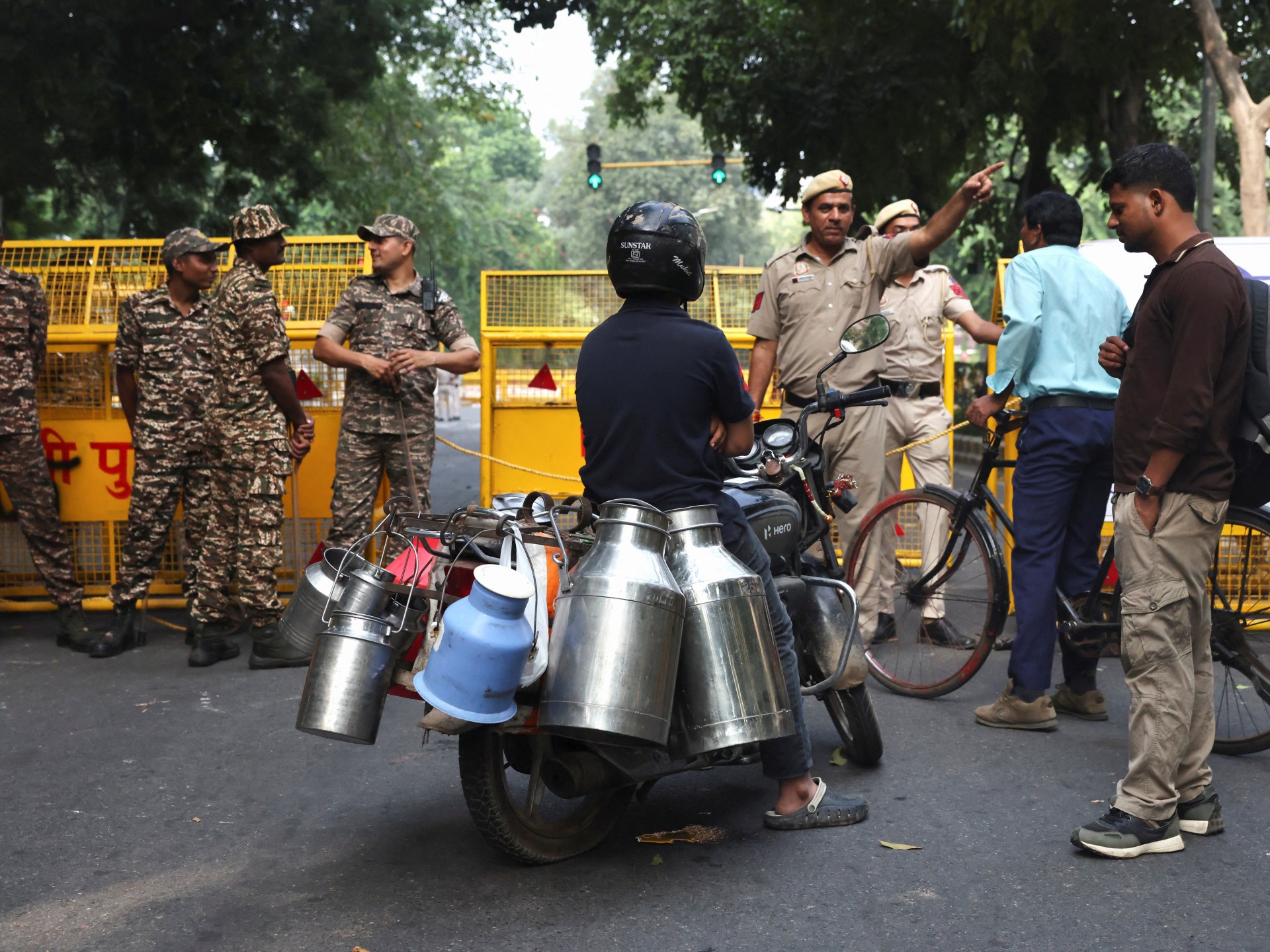
New Delhi has transformed into an impenetrable fortress as Prime Minister Narendra Modi's administration deploys unprecedented security measures to preempt widespread unrest driven by the emerging Cockroach movement. State apparatuses have activated multi-tiered barricades, internet throttling in sensitive districts, and mass preventive detentions to neutralize demonstrations before momentum gathers. The state's aggressive posture reflects acute anxiety within the ruling establishment regarding organized youth dissent, which poses a direct challenge to the government's narrative of unchallenged domestic harmony.
The genesis of this movement lies in mounting economic frustrations, youth unemployment, and systemic governance grievances that have steadily accumulated across urban and semi-urban centers. By mobilizing decentralized networks reminiscent of contemporary global youth protests, the movement has bypassed traditional political channels, confounding intelligence agencies and security planners alike. Prime Minister Modi, historically adept at managing political friction through nationalist rhetoric and welfare delivery, now confronts a demographic cohort increasingly immune to conventional political messaging. The deployment of paramilitary forces across strategic intersections in the capital underscores the high stakes for a regime that has staked its international reputation on internal stability and strongman governance.
Global Trade & Economic Ripples
While the immediate manifestation of the crisis remains domestic, the commercial implications for international supply chains, foreign direct investment, and domestic consumption are profound. India represents a critical engine for global growth, and any prolonged paralysis or severe civil unrest in the national capital inevitably ripples through international corporate boardrooms. Multinational corporations operating within the country's technology and manufacturing hubs are assessing operational continuity risks as transportation bottlenecks and security clampdowns disrupt standard commercial workflows.
Global commodity markets, particularly energy and agricultural futures, watch South Asian domestic stability closely, as political uncertainty can abruptly alter import demand and fiscal priorities. Furthermore, currency traders have begun pricing in heightened sovereign risk premium for the Indian Rupee. Foreign institutional investors, already navigating a volatile global macroeconomic landscape characterized by persistent US interest rate pressures, view prolonged domestic turbulence as a compelling reason to exercise caution regarding emerging market allocations. Supply chain logistics centered around northern transport corridors have experienced localized delays, impacting intermediate manufacturing inputs.
International Reactions & Diplomatic Stances
International capitals and multilateral organizations are monitoring the security escalation in New Delhi with diplomatic discretion, balancing strategic partnerships against fundamental human rights concerns. Western governments, heavily invested in India as a democratic counterweight in the Indo-Pacific architecture, have thus far issued muted statements emphasizing the importance of freedom of assembly and democratic norms. However, behind closed doors, diplomatic missions are recalibrating their risk assessments regarding the longevity of the current political status quo.
Human rights organizations and global advocacy groups have condemned the pre-emptive detentions and heavy-handed policing tactics, warning that shrinking civic space tarnishes India's democratic credentials on the world stage. Economic analysts from major financial institutions have begun publishing advisory notes highlighting that severe domestic lockdowns could complicate upcoming trade negotiations and dampen consumer sentiment during a crucial fiscal quarter. The United Nations has quietly urged restraint from all parties, emphasizing dialogue over coercion in addressing youth-driven socio-economic grievances.
Strategic Outlook & Future Scenarios
As the Modi administration digs in its heels, the medium-term trajectory of the Cockroach movement will depend heavily on the government's willingness to engage in substantive dialogue versus reliance on kinetic containment. If security measures successfully suppress visible protests, the movement may migrate underground, utilizing encrypted digital platforms to radicalize political opposition ahead of upcoming regional electoral cycles. Conversely, excessive use of state force risks martyrdom narratives, potentially broadening the coalition of disaffected citizens.
For international observers and global traders, the situation serves as a stark reminder of the fragile underpinnings of rapid economic growth in emerging superpowers. Upcoming G20 engagements and bilateral trade summits will test New Delhi's ability to project confidence abroad while managing profound domestic contradictions at home. Unless the administration addresses the root socioeconomic anxieties fueling this youth-led dissent, recurring bouts of civil unrest threaten to introduce persistent volatility into one of the world's most vital geopolitical and commercial theaters.
Join Our Official WhatsApp Channel
Receive live commodity alerts, policy changes, and commercial intelligence directly on WhatsApp.