
Premier League Financial Hegemony Reshapes Global Sports Commerce
The high-stakes clash between Liverpool and Manchester City highlights the unprecedented financial globalization and geopolitical capital shaping elite European football.
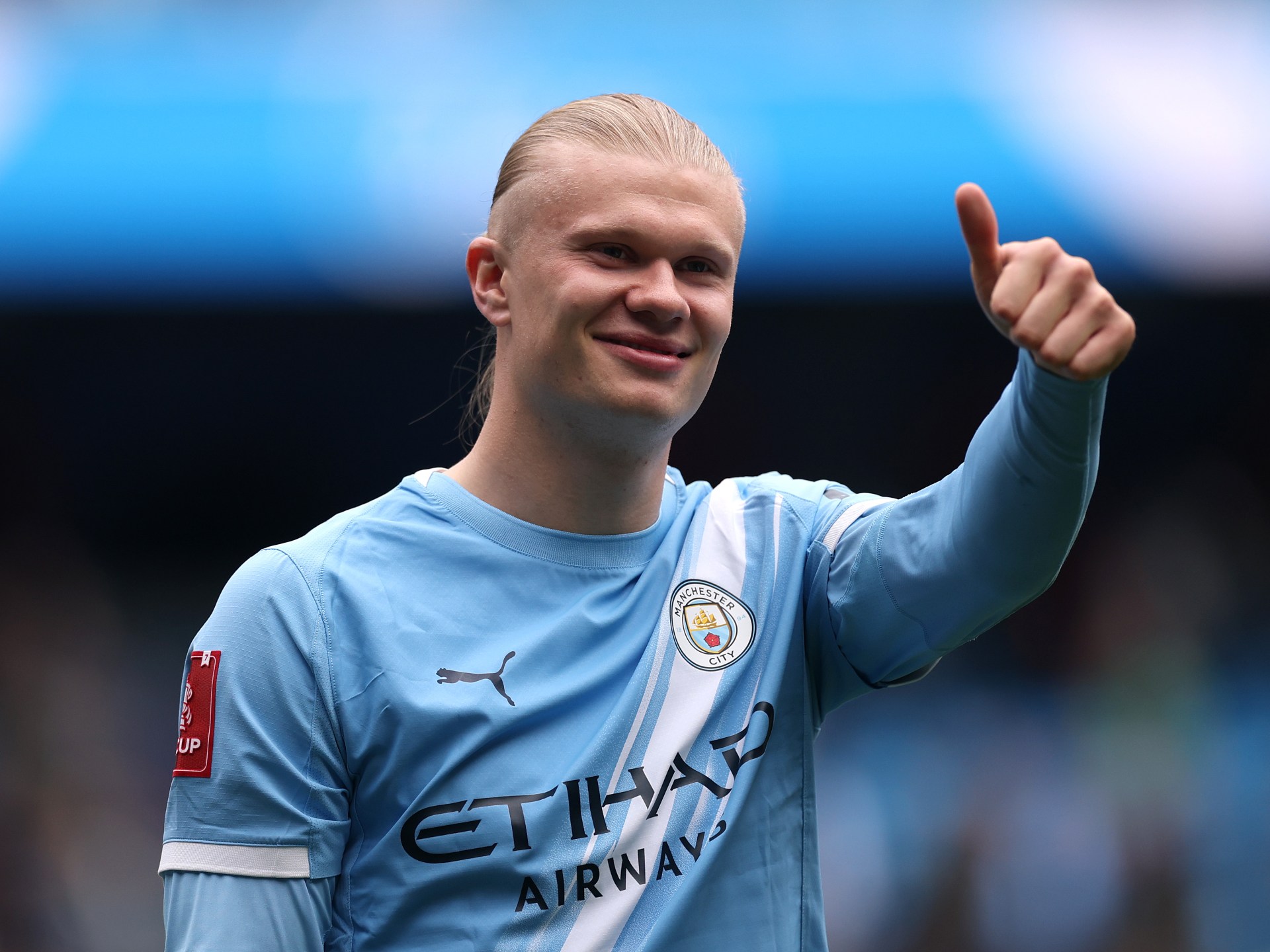
Geopolitical & Core Developments
The upcoming fixture between Liverpool and Manchester City transcends domestic sporting competition, serving as a primary cultural and financial battleground in the modern global economy. Over the past decade, these two football institutions have established a duopoly at the summit of the English Premier League (EPL), mirroring the broader consolidation of corporate and sovereign power in international industries. While Liverpool operates under the American institutional ownership of Fenway Sports Group, emphasizing venture capital principles and data-driven asset management, Manchester City is propelled by Abu Dhabi United Group, an investment vehicle tied directly to state-level strategic interests in the United Arab Emirates.
This dichotomy highlights a broader geopolitical shift in European sports, where traditional community-based clubs have transformed into multinational corporate entities and instruments of soft power projection. The rivalry has evolved through a series of high-stakes tactical and financial duels, establishing a timeline of dominance that has effectively priced traditional competitors out of the championship tier. The strategic stakes extend far beyond the pitch, influencing international tourism, diplomatic ties between the United Kingdom and Gulf states, and the soft-power branding of global metropolises.
Global Trade & Economic Ripples
The commercial gravitational pull of the Premier League exerts profound influence over global media markets, telecommunications, and sports-related commodities. Broadcasting rights negotiated across international territories generate billions of dollars annually, creating intricate supply chains of content distribution that span from London to Tokyo, New York, and Singapore. The economic impact ripples through international merchandising, high-value sponsorship portfolios with multinational energy and technology conglomerates, and global tourism circuits driven by match-day attendance.
Furthermore, the valuation of elite football assets functions as an alternative asset class for ultra-high-net-worth individuals and sovereign wealth funds seeking diversification away from traditional energy and manufacturing sectors. Currency fluctuations, particularly the relative strength of the British Pound against the US Dollar and the Euro, directly impact transfer market liquidity and the operational expenditure of clubs operating on a global scale. As television rights values plateau in mature Western markets, broadcasting strategies increasingly pivot toward emerging digital streaming economies in South Asia and Latin America, reshaping global telecommunications trade.
Related Intelligence: Hurricane Simon Threatens Mexican Coast and Global Supply Chains
International Reactions & Diplomatic Stances
Financial regulatory bodies, international sports federations, and trade watchdogs have increasingly scrutinized the macroeconomic underpinnings of elite football ownership. UEFA and domestic financial fair play regulators have introduced stringent expenditure caps and transparency mandates to curb inflationary pressures in the player transfer market. Meanwhile, international human rights organizations and geopolitical analysts frequently debate the implications of state-backed investments in Western cultural assets, pointing to concerns over sports diplomacy and the laundering of national reputations.
Market analysts suggest that the immense commercial success of fixtures like Liverpool versus Manchester City acts as a bellwether for consumer discretionary spending in major economies. Despite inflationary headwinds and macroeconomic uncertainty across the Eurozone and North America, international viewership metrics for top-tier English football remain resilient, attracting institutional advertising budgets from global corporations seeking to capture fragmented consumer attention.
Strategic Outlook & Future Scenarios
Looking ahead, the trajectory of elite club football points toward further financial stratification and potential restructuring of international competition formats. Proposals for closed-league models, expanded global club tournaments, and direct-to-consumer streaming platforms threaten to disrupt traditional domestic leagues. Regulatory interventions by European antitrust authorities and British governance watchdogs, such as the proposed independent football regulator in the UK, may introduce new compliance burdens that alter investment strategies for foreign backers.
As geopolitical tensions persist across energy and financial corridors, the capital inflows sustaining clubs like Manchester City will face heightened due diligence from Western governments. Simultaneously, Liverpool's American ownership model may pursue further multi-club network acquisitions across European and South American markets to secure talent pipelines. Ultimately, the commercial rivalry between these two English titans serves as a micro-economic indicator for the broader challenges facing globalized capital, entertainment, and cross-border trade in the twenty-first century.
Join Our Official WhatsApp Channel
Receive live commodity alerts, policy changes, and commercial intelligence directly on WhatsApp.