
WHO Confirms Zero Plague Cases Following Fatal Russian Laboratory Incident
The World Health Organization has verified that no plague cases have emerged following a fatal laboratory accident in Russia, though diagnostic uncertainty remains a focal point for international biosecurity monitors.
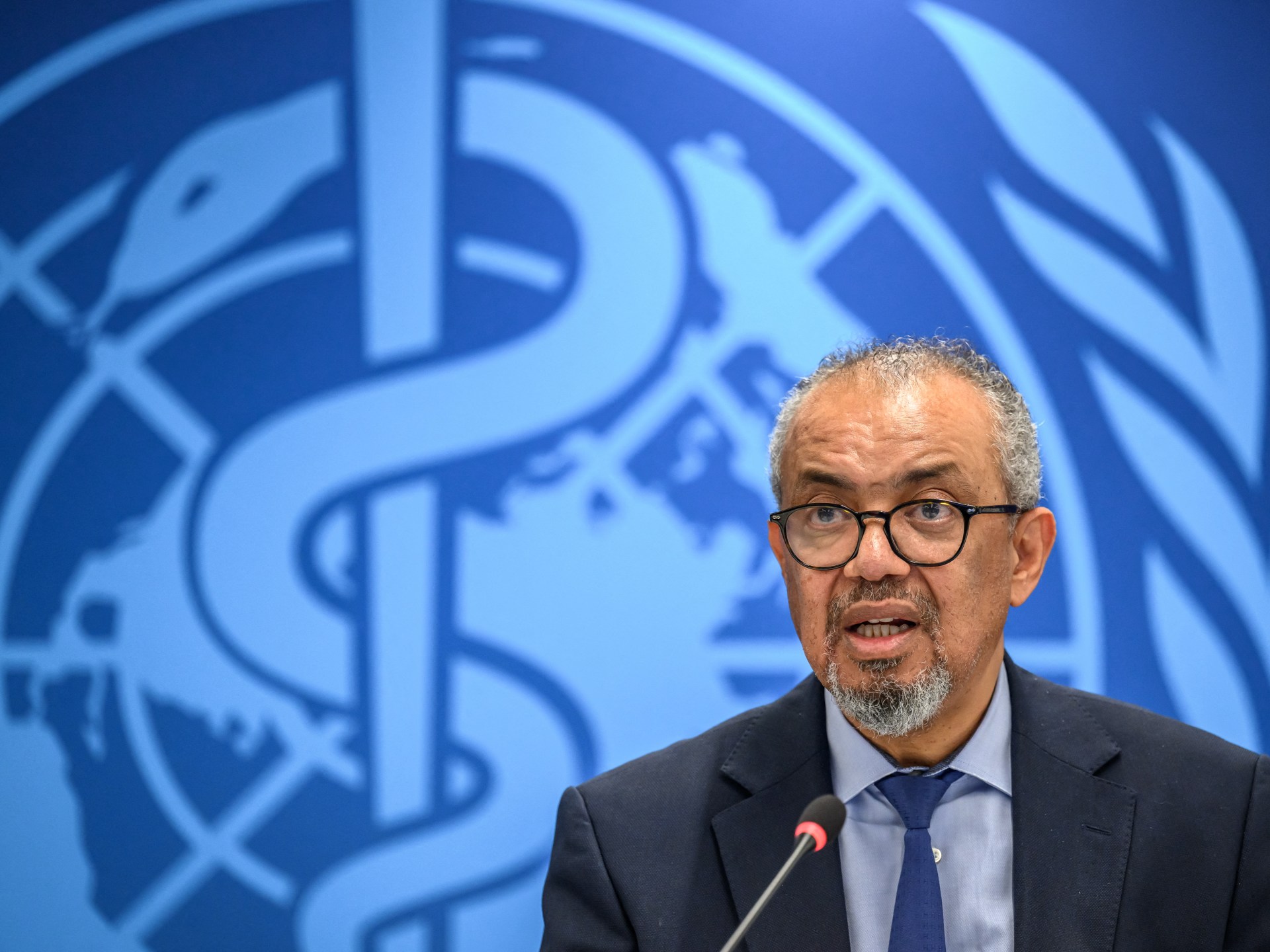
Geopolitical & Core Developments
The World Health Organization (WHO) has officially confirmed that no secondary cases of plague have been registered following the tragic death of a laboratory worker in the Russian Federation. The incident, which occurred within a high-containment biological research facility, immediately triggered heightened vigilance across international public health networks. However, the lack of a definitive clinical diagnosis continues to represent a primary point of uncertainty for epidemiologists monitoring the situation.
State actors and multilateral agencies have closely scrutinized the circumstances surrounding the containment breach. While domestic Russian authorities moved swiftly to contain potential exposure risks and initiated comprehensive contact tracing protocols, the initial opacity surrounding the incident drew cautious inquiries from international observers. In the realm of global biosecurity, transparency is paramount; any ambiguity regarding pathogen containment in state-run laboratories invariably amplifies diplomatic sensitivities and fuels regional anxieties, particularly amid strained geopolitical relations between Moscow and Western capitals.
Global Trade & Economic Ripples
While the public health crisis has been successfully averted at the domestic level, high-containment laboratory incidents carry latent economic and commercial ramifications, particularly for global supply chains involving pharmaceuticals, specialized medical equipment, and cross-border scientific collaboration. International logistics providers and commodity markets monitor biological safety alerts closely, as severe outbreaks or perceived biosecurity failures can rapidly precipitate localized trade restrictions, border health checks, and disruptions to air cargo networks carrying temperature-sensitive biological materials.
Furthermore, heightened regulatory scrutiny on high-level biosafety laboratories (BSL-4 and BSL-3 facilities) often leads to increased compliance costs, delayed research approvals, and tighter export controls on dual-use laboratory technologies. Multinational corporations operating in the biotechnology and chemical sectors must continuously factor regulatory friction and geopolitical risk premiums into their long-term supply chain strategies, recognizing that public health emergencies can swiftly translate into operational bottlenecks and shifting trade policies.
Related Intelligence: La Liga Fixture Escalates Sports Governance and Commercial Integrity Debates
International Reactions & Diplomatic Stances
International bodies, led by the WHO and the European Centre for Disease Prevention and Control (ECDC), have maintained a measured and objective stance, emphasizing collaboration over confrontation. The WHO’s technical briefings have highlighted the absence of any ongoing transmission chains outside the immediate facility, reassuring global markets and foreign ministries that the event remains isolated. Despite lingering questions regarding the exact diagnostic profile of the fatal case, multilateral health diplomats have praised the prompt enforcement of local containment protocols.
Conversely, independent biosecurity analysts and international policy think tanks have used the incident to reiterate calls for enhanced global oversight and standardized reporting mechanisms for high-containment pathogen research. Diplomatic channels have quietly emphasized the necessity of robust information-sharing frameworks between nuclear and biological powers to prevent misinterpretation of accidental lab exposures as deliberate biological threats, thereby safeguarding international stability.
Strategic Outlook & Future Scenarios
Looking ahead, the incident is expected to accelerate domestic and international reviews of biosafety protocols, laboratory oversight, and occupational health standards in high-risk research facilities worldwide. Upcoming international scientific summits and global health security forums will likely feature dedicated sessions addressing laboratory-acquired infections, dual-use research governance, and transparent crisis communication.
As geopolitical fragmentation deepens, maintaining cooperative multilateral frameworks for biological safety remains a critical challenge. Failure to establish verifiable international standards for high-containment laboratories could lead to unilateral trade measures, tighter visa restrictions for scientific personnel, and increased friction in global health diplomacy. Consequently, institutional transparency and proactive risk mitigation will remain indispensable for preventing localized laboratory accidents from escalating into broader diplomatic and commercial disputes.
Join Our Official WhatsApp Channel
Receive live commodity alerts, policy changes, and commercial intelligence directly on WhatsApp.