
Renewed Taiz Siege Threatens Regional Stability and Commodity Flows
Renewed Houthi advances and road closures around Yemen's Taiz province have triggered severe shortages, reviving humanitarian crises and elevating regional commodity market risks.
Geopolitical & Core Developments
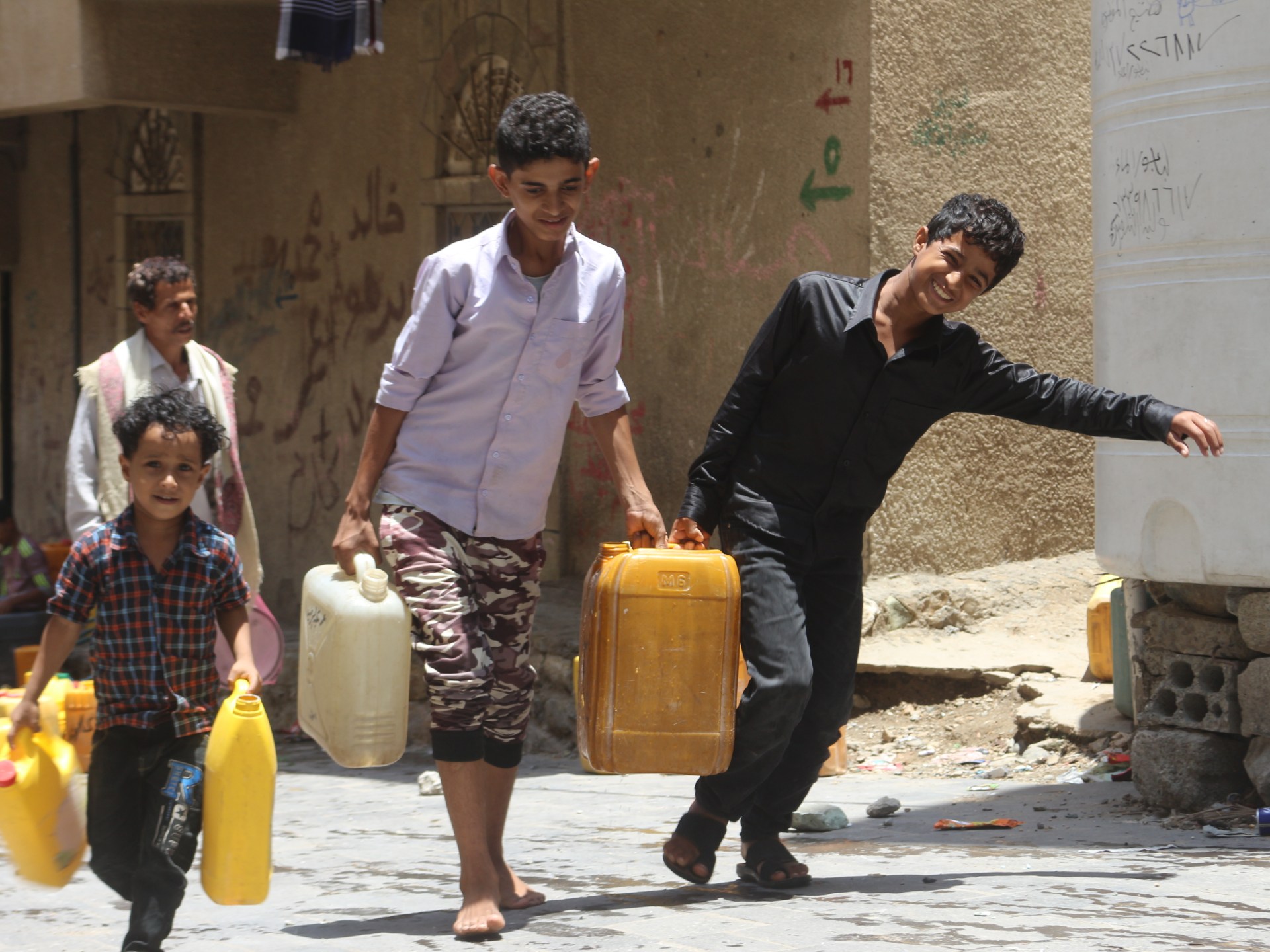
The strategic southwestern Yemeni governorate of Taiz has once again plunged into a severe humanitarian and economic crisis as renewed Houthi military advances and the closure of vital arterial roadways effectively re-impose a suffocating siege. Taiz, historically Yemen's cultural and intellectual hub, has remained a primary flashpoint in the protracted civil conflict. The latest escalation involves advanced positioning by Houthi forces, who have tightened checkpoints, mined access corridors, and restricted the flow of commercial transport into the city center. This tactical maneuver revives the harrowing conditions of earlier multi-year blockades that cut off hundreds of thousands of residents from basic medical supplies, clean water, and nutritional staples. Diplomatic channels brokered by the United Nations have repeatedly stalled, as local truce agreements fail to materialize into permanent humanitarian corridors. State actors and regional observers note that the renewed offensive undermines fragile peace talks between the internationally recognized Yemeni government and Houthi leadership, signaling a potential breakdown in broader regional de-escalation frameworks.
Global Trade & Economic Ripples
While Taiz is primarily an urban enclave rather than a major industrial export hub, the intensification of hostilities in Yemen's interior exerts immediate pressure on global supply chains and commodity pricing through adjacent strategic corridors. The Bab el-Mandeb strait, located just southwest of Taiz province, handles a significant percentage of global maritime trade, including crude oil, refined petroleum products, and manufactured goods transiting between Asia, the Middle East, and Europe. Heightened instability on land often correlates with increased maritime security risks, prompting international shipping conglomerates to reassess insurance premiums and routing alternatives. Within domestic Yemeni markets, the blockade has triggered exponential spikes in imported wheat, cooking gas, and diesel prices. As local purchasing power collapses under hyperinflation, the structural costs of humanitarian logistics soar, diverting vital resources from other international aid operations and straining the budgets of multilateral relief agencies operating in the Arabian Peninsula.
Related Intelligence: Justice in Baja: The Trial Shaking Cross-Border Security and Trade
International Reactions & Diplomatic Stances
International bodies and foreign ministries have expressed deep alarm over the deteriorating security and economic landscape in Taiz. The United Nations Special Envoy for Yemen issued a strong condemnation of the road closures, warning that restrictions on civilian movement and commercial traffic constitute a direct violation of international humanitarian law and undermine ongoing peace initiatives. Western governments have reiterated calls for an immediate lifting of the blockade, urging all parties to return to comprehensive political negotiations under UN auspices. Meanwhile, regional powers mediating the conflict are intensifying backchannel diplomacy to prevent localized skirmishes from derailing broader normalization talks. Market analysts and geopolitical risk consultancies note that Western financial institutions maintain stringent sanctions and compliance protocols regarding transactions involving Houthi-controlled territories, further complicating the import of vital commercial commodities and exacerbating cash liquidity shortages across the country.
Strategic Outlook & Future Scenarios
Looking ahead, the trajectory of the Taiz siege serves as a critical bellwether for the durability of Yemen's fragile status quo and wider Red Sea stability. In the baseline scenario, localized negotiations mediated by tribal elders and civil society organizations may yield partial, temporary openings of specific supply routes, offering nominal relief to urban residents without resolving the underlying territorial dispute. Conversely, an escalation of military confrontations risks drawing in regional proxies, hardening battle lines, and permanently foreclosing prospects for a unified Yemeni state. Upcoming diplomatic summits and international donor conferences must address not only immediate emergency food security needs but also establish enforceable mechanisms for protecting commercial transport corridors. Without robust international intervention and targeted diplomatic pressure, the humanitarian catastrophe in Taiz will continue to reverberate across global commodity markets and maritime security frameworks.
Join Our Official WhatsApp Channel
Receive live commodity alerts, policy changes, and commercial intelligence directly on WhatsApp.