
Myanmar Junta Conscription Drives Threaten Regional Stability and Trade
Myanmar's escalating civil conflict and forced conscription campaigns threaten regional security, exacerbating supply chain disruptions and displacing vulnerable populations across Southeast Asia.
Geopolitical & Core Developments
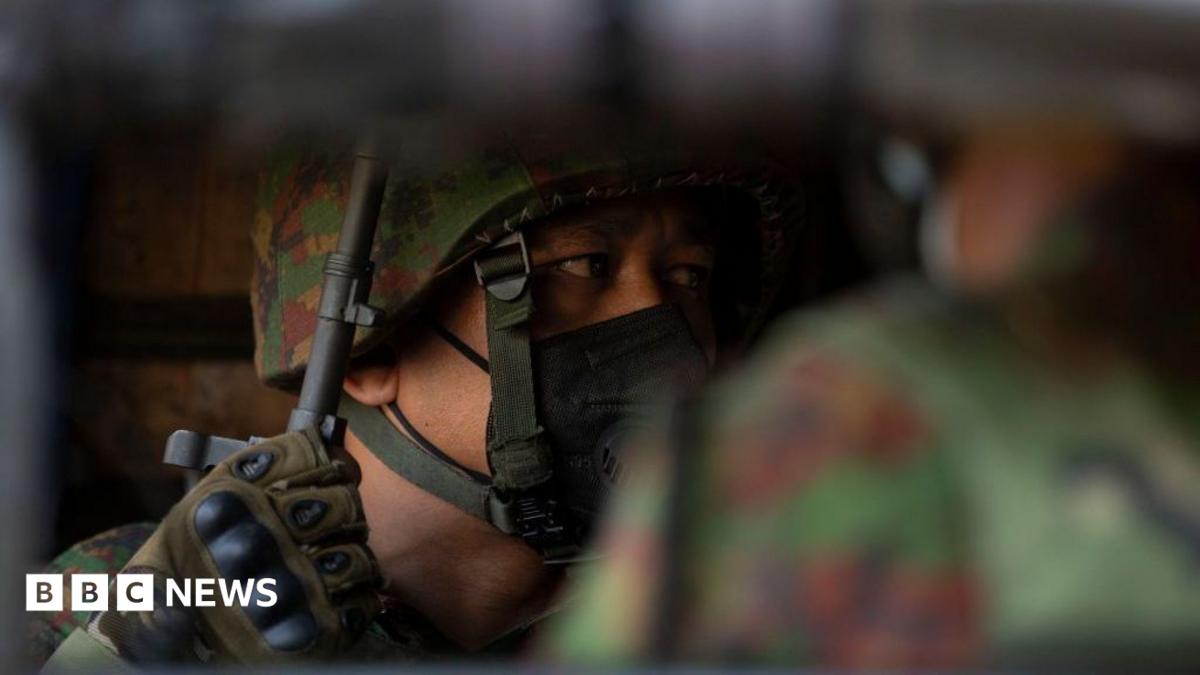
Myanmar is descending deeper into a protracted war of attrition as the ruling military junta faces unprecedented battlefield losses against a coalition of determined ethnic armed organizations and civilian resistance forces. Having surrendered vast swaths of territory along vital borderlands and critical trade arteries, the embattled regime in Naypyidaw has resorted to desperate measures to replenish its depleted ranks. Across major urban centers including Yangon and Mandalay, young men now live in constant fear of being arbitrarily detained, snatched off the streets, and forcibly inducted into a military accused of systematic human rights abuses.
This aggressive enforcement of the long-dormant conscription law highlights the regime's existential vulnerability. Rather than bolstering combat effectiveness, these forced recruitment drives have accelerated the erosion of domestic legitimacy, supercharged urban flight, and driven thousands of draft-age citizens across porous borders into neighboring Thailand and India. The conflict has fundamentally transformed from a localized insurgency into a multi-front existential struggle, with the central government steadily losing its grip on the apparatus of the state while opposition forces consolidate administrative control over liberated territories.
Global Trade & Economic Ripples
The deterioration of internal security in Myanmar carries profound implications for global commodity markets and cross-border commerce within the Association of Southeast Asian Nations bloc. Myanmar remains a crucial geopolitical pivot connecting South and Southeast Asia, rich in critical natural resources including rare earth elements, natural gas, tin, and vital agricultural commodities. Persistent fighting along key logistical corridors—notably the vital trade route connecting Muse to China—has severely disrupted bilateral commerce, stranding valuable cargo and inflating transportation costs.
Furthermore, Western sanctions targeting the state banking sector, combined with erratic regulatory policies imposed by the junta, have crippled foreign direct investment. Energy conglomerates operating offshore natural gas fields face mounting operational hazards and compliance dilemmas, threatening long-term supply stability for energy-dependent neighbors like Thailand. The erosion of the domestic workforce, driven by displacement and forced conscription, has crippled manufacturing and agricultural output, transforming a nation with immense economic potential into a persistent source of regional macroeconomic instability.
Related Intelligence: Riyadh Airport Attack Kills 12, Disrupts Regional Trade and Aviation
International Reactions & Diplomatic Stances
The international community has intensified its condemnation of the junta's coercive recruitment tactics, viewing them as a desperate violation of human rights and a direct threat to regional stability. The United Nations human rights monitors have repeatedly warned that forced conscription constitutes a grave international crime, compounding an already catastrophic humanitarian emergency defined by millions of internally displaced persons.
Neighboring ASEAN member states, traditionally constrained by non-interference principles, are growing increasingly alarmed by the refugee spillover and the proliferation of transnational crime networks flourishing in the security vacuum along border zones. While Western nations continue to tighten targeted economic restrictions against military-linked enterprises and aviation fuel supplies, regional powers navigate a delicate diplomatic balance, attempting to engage pragmatic stakeholders while mitigating the immediate economic fallout of a disintegrating neighbor.
Strategic Outlook & Future Scenarios
Looking ahead, the trajectory of Myanmar's conflict points toward prolonged fragmentation rather than a decisive military victory for either side. As the junta grows increasingly isolated, the risk of desperate escalations—including indiscriminate aerial bombardments of civilian infrastructure—remains exceptionally high. For international markets, this perpetual instability guarantees persistent friction in regional supply chains and elevates geopolitical risk premiums for investors operating in the broader Mekong subregion.
Upcoming diplomatic maneuvers at multilateral summits will likely focus on strengthening humanitarian corridors and coordinating stricter financial isolation of the regime. However, unless international actors formulate a cohesive strategy to address the root causes of the conflict and support a viable transition toward federal democracy, Myanmar is poised to remain a destabilizing black hole in the heart of Southeast Asia, continuously radiating economic shocks and humanitarian crises outward.
Join Our Official WhatsApp Channel
Receive live commodity alerts, policy changes, and commercial intelligence directly on WhatsApp.