
New Delhi Enters Lockdown as Police Detain Opposition Leaders Ahead of Electoral Protests
New Delhi faces a strict security lockdown following the preemptive detention of opposition leaders protesting the chief election commissioner.
Geopolitical & Core Developments
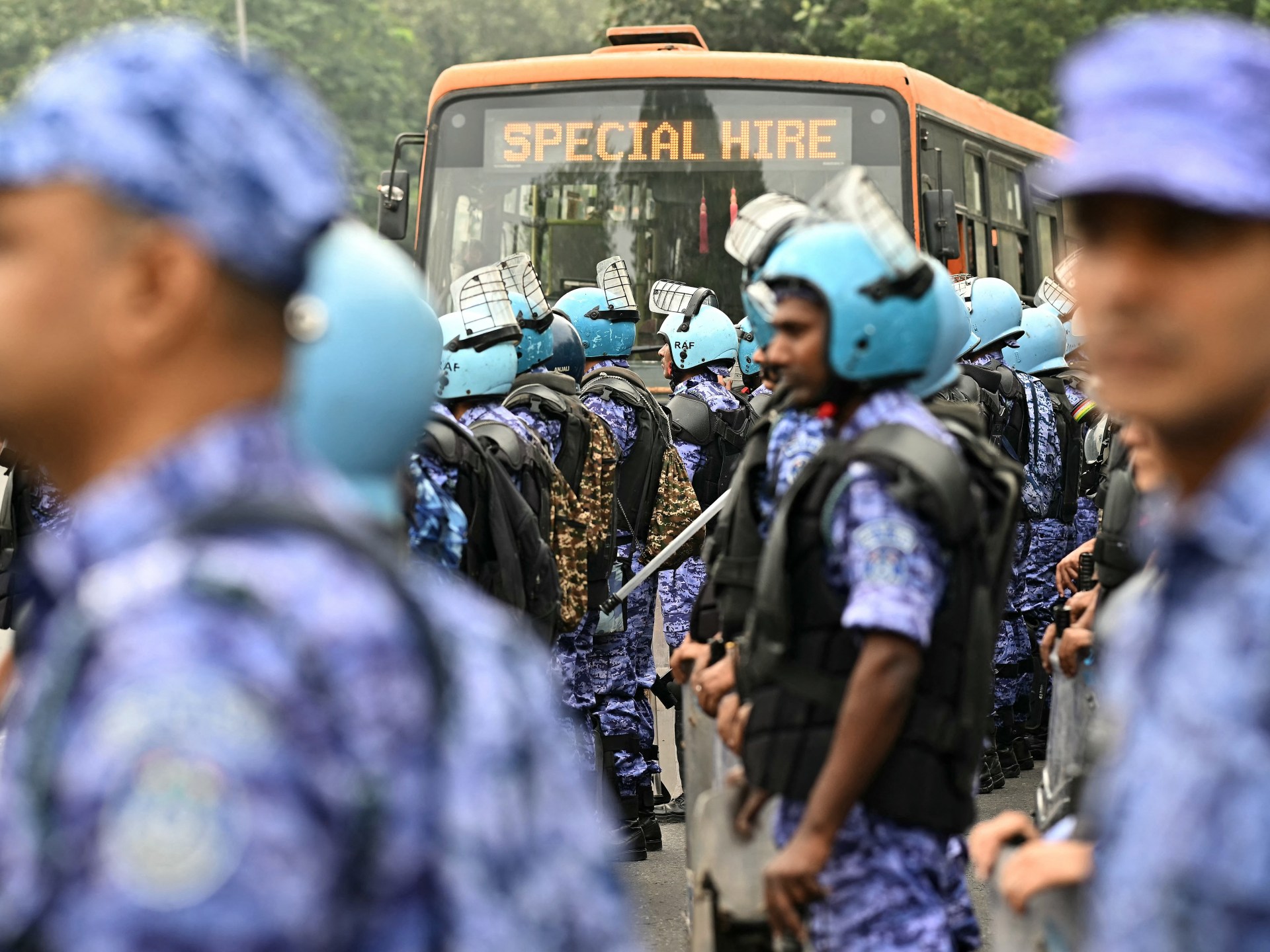
New Delhi has been effectively placed under a stringent security lockdown as Indian authorities deploy heavy police barricades, paramilitary forces, and transit restrictions across the capital. The sweeping measures were enacted to thwart planned demonstrations led by the Cockroach Janta Party, whose founder, Abhijeet Dipke, alongside several other high-ranking opposition figures, was detained by police hours before the rallies could commence. The protests were organized to demand the immediate resignation of the country's chief election commissioner, whom opposition factions accuse of systemic bias and compromising the integrity of the electoral framework.
The preemptive detentions highlight escalating tensions between the ruling administration and opposition coalitions, raising critical questions regarding democratic norms, freedom of assembly, and the state of civil liberties in the world's largest democracy. Security forces have restricted movement around key government installations and central squares, causing widespread commuter disruptions and signaling a zero-tolerance policy toward unauthorized public assemblies in the capital.
Global Trade & Economic Ripples
While political unrest in New Delhi is primarily a domestic constitutional crisis, international markets and foreign investors are closely monitoring the stability of South Asia's largest economy. Persistent political instability and crackdowns on opposition groups can introduce policy uncertainty, potentially affecting foreign direct investment (FDI) inflows into India's expanding technology and manufacturing sectors. Furthermore, any prolonged civil disruption or logistical paralysis in the national capital can create operational bottlenecks for multinational corporations headquartered in the region, affecting commercial supply chains and corporate governance risk assessments.
Global financial institutions and commodity traders evaluate political stability as a core metric for sovereign risk ratings. Although direct impacts on global energy markets, shipping lanes, and international commodity pricing remain minimal at this juncture, escalating domestic friction in a key geopolitical and economic anchor nation reverberates through investor sentiment, influencing emerging market currency valuations and capital allocation strategies across the Indo-Pacific corridor.
Related Intelligence: Renewed Taiz Siege Threatens Regional Stability and Commodity Flows
International Reactions & Diplomatic Stances
International observers, human rights organizations, and diplomatic missions in New Delhi are closely tracking the unfolding situation. While foreign governments typically categorize such events as internal domestic matters, international human rights bodies have expressed concern over the pre-emptive detention of political figures and the imposition of heavy security restrictions on peaceful assembly. Diplomatic analysts note that India's standing as a vital democratic counterweight in the Indo-Pacific relies heavily on its commitment to institutional checks, transparency, and the protection of constitutional rights.
Multilateral bodies emphasize the importance of safeguarding democratic processes and maintaining open dialogue between the ruling administration and opposition stakeholders. As global partners increasingly look to India for supply chain diversification and geopolitical stability, the preservation of democratic norms remains a central pillar of its international partnerships with Western democracies and regional allies alike.
Strategic Outlook & Future Scenarios
Looking ahead, the trajectory of India's political landscape depends on how the administration handles mounting opposition pressure and public discontent regarding electoral oversight. The crackdown on the Cockroach Janta Party may galvanize a more unified opposition front ahead of upcoming regional electoral cycles, potentially shifting legislative dynamics and intensifying parliamentary gridlock.
Investors and geopolitical analysts will monitor upcoming court challenges, opposition mobilization strategies, and government responses to ongoing grievances. If political polarization deepens, it could impact legislative reform timelines and complicate major economic initiatives, making stability in New Delhi a critical variable for international trade and geopolitical forecasting.
Join Our Official WhatsApp Channel
Receive live commodity alerts, policy changes, and commercial intelligence directly on WhatsApp.