
Delhi Gen-Z Protests Trigger Electoral Reform Debate and Market Caution
Mass security deployments in Delhi following Gen-Z led protests spark critical debates on electoral reform, drawing close scrutiny from international investors and global markets.
Geopolitical & Core Developments
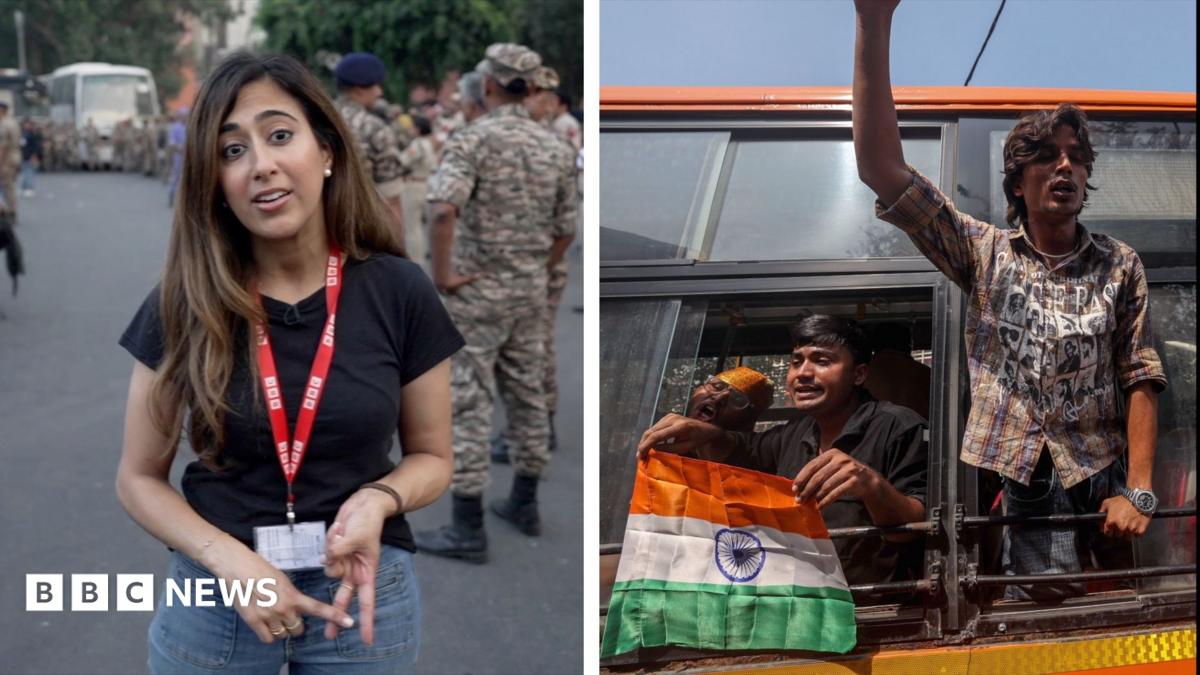
The political landscape of India's capital experienced a tense weekend as thousands of security personnel were deployed ahead of demonstrations organized by the Gen-Z led Cockroach Janta Party. The movement, which has gained significant momentum through digital organizing and youth mobilization, calls for sweeping electoral reforms and greater transparency in governance. The moniker 'cockroach,' deliberately reclaimed by the protesters, symbolizes resilience and the inability of authorities to eradicate grassroots discontent through suppression. The state's heavy-handed response, characterized by widespread detentions and strict perimeter lockdowns across strategic zones in New Delhi, underscores the sensitivity of domestic political dissent in the world's largest democracy. Analysts note that this mobilization represents a generational shift in South Asian politics, where tech-savvy youth are increasingly bypassing traditional political intermediaries to voice structural grievances against established party politics and electoral frameworks.
Global Trade & Economic Ripples
While the demonstrations remain localized to the National Capital Region, international commodity traders and institutional investors are closely monitoring the political stability of South Asia's primary economic engine. India's steady domestic climate has long been touted as a cornerstone for foreign direct investment, particularly as global supply chains diversify away from manufacturing hubs in East Asia. Any protracted civil unrest or sweeping regulatory crackdowns introduce policy unpredictability, which can immediately influence currency valuations, foreign portfolio flows, and equity sentiment on major exchanges. Furthermore, disruptions in the capital can temporarily impact commercial logistics, regulatory approvals, and corporate decision-making for multinational firms operating within the subcontinent. Energy markets and industrial commodity futures are also maintaining a cautious posture, tracking whether political friction could potentially spill over into broader legislative paralysis or affect upcoming economic reform agendas.
Related Intelligence: La Liga Fixture Escalates Sports Governance and Commercial Integrity Debates
International Reactions & Diplomatic Stances
Global observers, human rights organizations, and diplomatic missions in New Delhi are closely tracking the unfolding situation, balancing trade partnerships with concerns over civil liberties and freedom of assembly. Multilateral bodies emphasize the importance of democratic dialogue and the protection of peaceful civic participation in maintaining long-term institutional stability. Meanwhile, emerging market analysts from major financial institutions have issued advisory notes to institutional clients, suggesting that while the immediate economic fallout remains contained, political risk premiums in Indian assets may see marginal upward revisions if the government fails to constructively engage with the youth-led reform movement. International media coverage has drawn parallels between the Delhi mobilization and recent youth-driven uprisings across other global jurisdictions, highlighting a universal demand for modernized governance and electoral accountability in the digital era.
Strategic Outlook & Future Scenarios
Looking ahead, the trajectory of the Cockroach Janta Party and similar Gen-Z political formations will depend heavily on the state's willingness to initiate dialogue versus resorting to prolonged security crackdowns. If authorities choose a path of institutional engagement, it could pave the way for progressive updates to India's electoral laws, reinforcing democratic credentials on the global stage. Conversely, sustained repression risks hardening opposition lines and catalyzing broader nationwide solidarity movements ahead of upcoming electoral cycles. For international observers and commercial stakeholders, the key indicators to watch will be legislative responses, judicial interventions regarding detainee rights, and shifts in consumer and investor confidence indices over the coming quarter.
Join Our Official WhatsApp Channel
Receive live commodity alerts, policy changes, and commercial intelligence directly on WhatsApp.