
Middle East Conflict Escalates as Saudi Strikes Threaten Global Energy Markets
Deadly strikes in Riyadh prompt Washington to weigh direct military action against Houthi forces and Iran, threatening global energy supplies and vital maritime trade routes.
Geopolitical & Core Developments
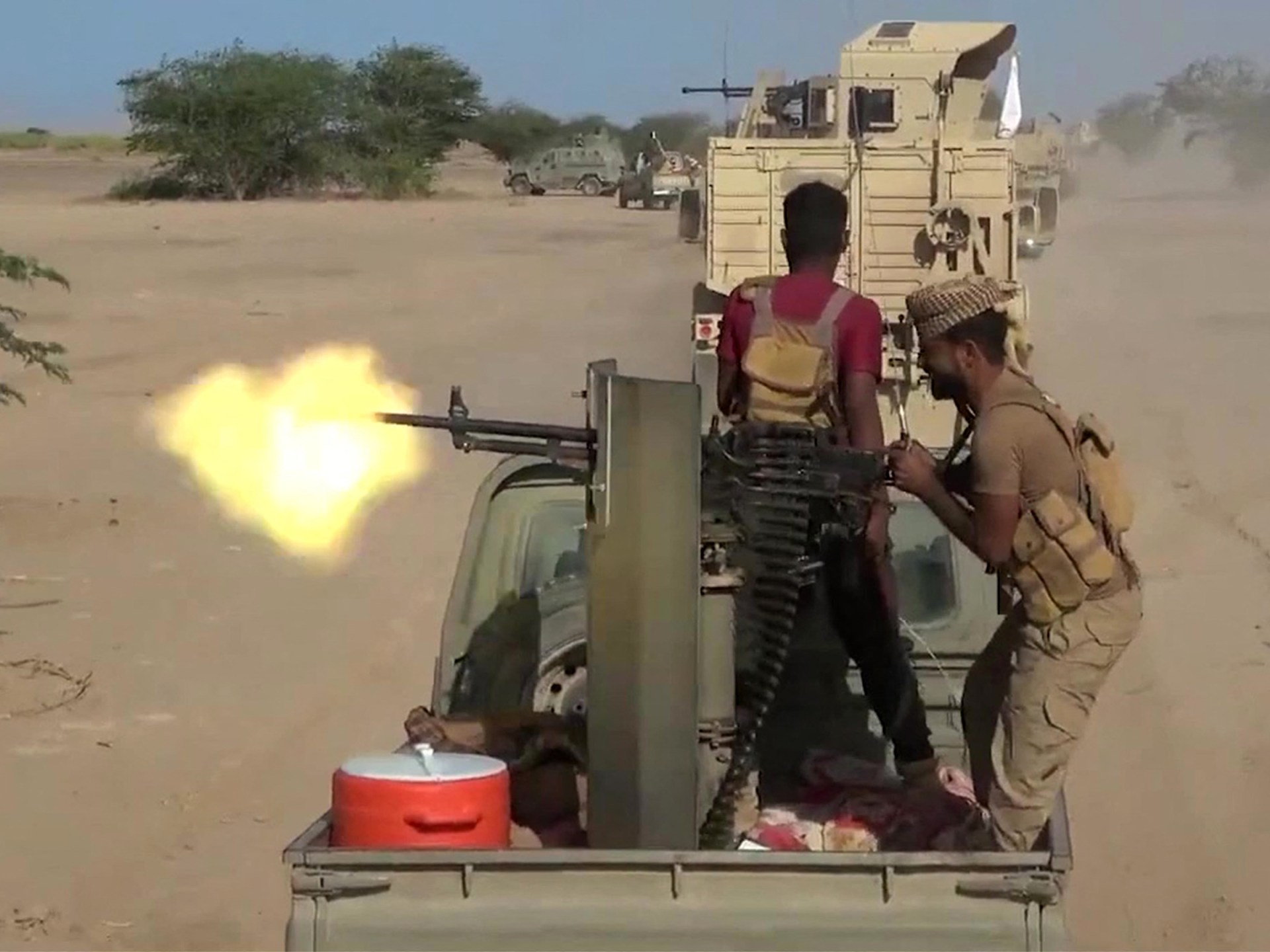
The security architecture of the Middle East has suffered a catastrophic fracture following a coordinated wave of strikes targeting critical infrastructure in Saudi Arabia, culminating in twelve fatalities in Riyadh. The unprecedented scale and precision of the attacks have transformed a localized maritime insurgency into a full-scale international crisis, drawing primary state actors into a volatile confrontation. For months, Houthi forces operating out of Yemen have targeted shipping lanes, but the direct extension of hostilities into the Saudi capital marks a dangerous strategic escalation.
Washington is currently locked in high-level emergency deliberations regarding its military posture in the region. Senior defense officials and intelligence analysts are actively debating the tactical necessity of joining coalition strikes against Houthi strongholds, alongside proposals to resume direct military operations against Iranian targets. The involvement of Tehran, long suspected of providing advanced missile and drone technology to regional proxies, is now under intense scrutiny by Western intelligence agencies. Diplomatic channels are operating under extreme strain as capitals across North America, Europe, and the Middle East scramble to deter a widening regional conflagration that threatens to engulf neighboring states.
Global Trade & Economic Ripples
The escalation in Saudi Arabia has sent immediate shockwaves through global commodity markets, particularly impacting international crude oil benchmarks and liquefied natural gas pricing. Energy traders immediately priced in a substantial risk premium following the strikes on Riyadh's infrastructure, fearing protracted disruptions to Middle Eastern oil production and refining capacity. Brent crude and West Texas Intermediate futures surged overnight, reflecting deep-seated market anxiety over the security of critical petroleum export facilities.
Simultaneously, maritime commerce through the Bab el-Mandeb strait and the wider Red Sea corridor faces renewed peril. Shipping conglomerates are re-evaluating risk assessments, with many major carriers contemplating a return to extended diversions around the Cape of Good Hope. These prolonged transit routes are guaranteed to inflate freight rates, strain global supply chains, and inject inflationary pressures back into major economies just as central banks begin easing monetary policy. Industrial commodities, agricultural futures, and base metals are also experiencing heightened volatility as investors reallocate capital toward safe-haven assets in response to mounting geopolitical uncertainty.
Related Intelligence: K-Pop Soft Power and Geopolitical Fallout Amid Industry Scandals
International Reactions & Diplomatic Stances
The international community has responded with widespread alarm and urgent appeals for immediate de-escalation. The United Nations Security Council convened an emergency session to address the deteriorating security situation, with the Secretary-General condemning the loss of civilian life and warning against any actions that could ignite a wider regional war. European capitals issued coordinated statements urging maximum restraint from all belligerents, emphasizing that a military solution will not resolve the underlying structural drivers of the conflict.
Meanwhile, market analysts and geopolitical risk consultancies have significantly downgraded their stability forecasts for the region. Energy ministers from major consumer nations are in constant dialogue to assess potential releases from strategic petroleum reserves should physical supply disruptions materialize. Regional actors, including the Gulf Cooperation Council, have demanded robust international security guarantees to safeguard critical infrastructure and protect sovereign airspace from ongoing asymmetric threats.
Strategic Outlook & Future Scenarios
As the White House finalizes its strategic review, the trajectory of the conflict hinges on the nature and scope of the impending Western response. A decision to launch kinetic strikes against Houthi positions and Iranian assets risks triggering a symmetrical retaliation, potentially targeting vital energy installations, desalination plants, and telecommunications networks across the Arabian Peninsula. Conversely, military restraint could embolden non-state actors and compromise the deterrence credibility of Western security commitments in the region.
Looking ahead, upcoming multilateral summits and emergency diplomatic engagements will focus on establishing robust maritime protection frameworks and reviving stalled backchannel negotiations. However, with domestic political pressures mounting in Washington and Riyadh, the window for diplomatic resolution is rapidly narrowing. Markets must prepare for prolonged volatility as energy security, geopolitical rivalry, and global trade dynamics remain dangerously intertwined.
Join Our Official WhatsApp Channel
Receive live commodity alerts, policy changes, and commercial intelligence directly on WhatsApp.