
US Military Decision to Livestream Fort Hood Execution Sparks Global Legal and Diplomatic Debate
The Pentagon's unprecedented decision to livestream the execution of Fort Hood shooter Nidal Hasan has ignited international debate over legal transparency, human rights norms, and global diplomatic relations.
Geopolitical & Core Developments
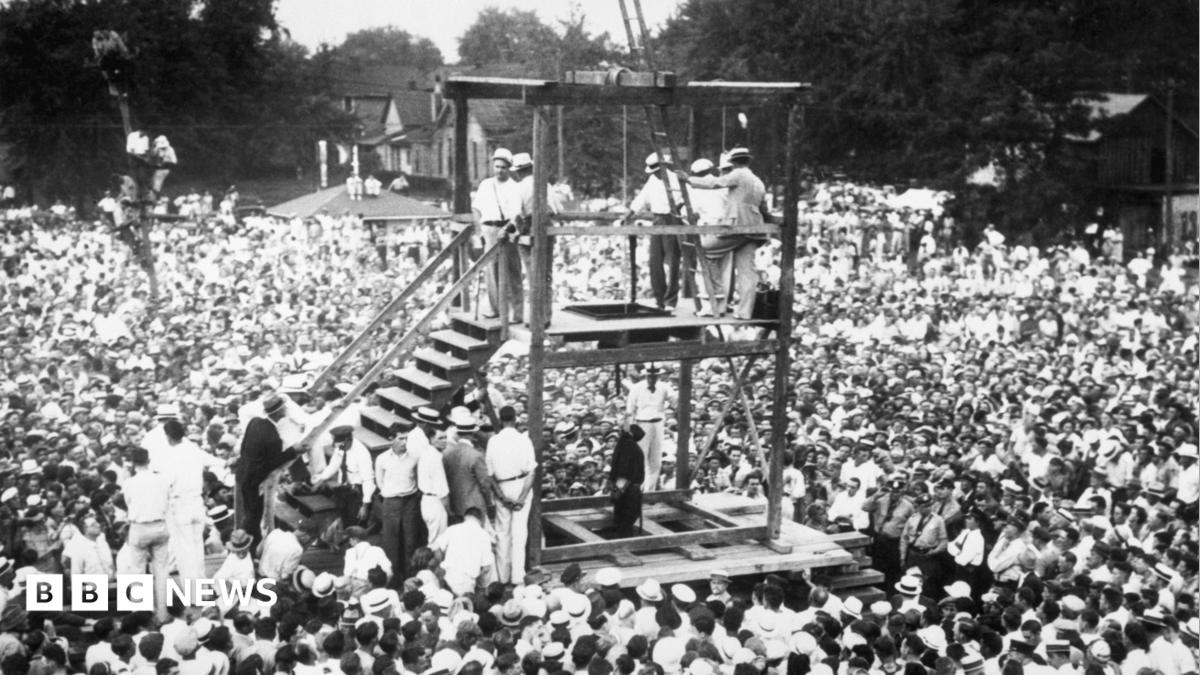
The announcement by the United States Pentagon regarding the upcoming execution of Major Nidal Hasan, the perpetrator of the 2009 Fort Hood mass shooting, marks a radical departure from nearly a century of domestic penal policy. Public executions in the United States effectively ceased in the 1930s, transitioning into heavily regulated, closed-door procedures designed to maintain state decorum and adhere to domestic constitutional standards. However, the decision to broadcast the execution via a secure livestream introduces a volatile new element into state-sanctioned capital punishment. State actors and defense analysts note that this shift occurs against a backdrop of increasing political polarization within the United States, where transparency and retributive justice are increasingly leveraged for domestic political resonance. Internationally, the development has drawn immediate scrutiny from foreign ministries, particularly in Western democracies where the death penalty has long been abolished. The intersection of modern digital broadcasting technology with state executions raises profound legal questions about sovereignty, state violence, and the performative nature of justice in the twenty-first century.
Global Trade & Economic Ripples
While the resumption and public broadcasting of capital punishment within the world's largest economy primarily register as a sociopolitical and legal phenomenon, secondary ripples are anticipated across global commercial and financial sectors. Multinational corporations headquartered in the United States and Europe face escalating pressures from institutional investors regarding Environmental, Social, and Governance (ESG) compliance. The normalization of televised state executions could complicate corporate social responsibility frameworks, potentially influencing foreign direct investment (FDI) decisions and cross-border commercial partnerships. Furthermore, international shipping and commodity trading firms operating within global hubs are monitoring potential reputational fallout that could affect sovereign debt ratings or consumer sentiment in key export markets. Although direct impacts on energy markets, maritime shipping lanes, and raw commodity pricing remain minimal, the broader erosion of democratic norms can introduce subtle volatility into foreign exchange markets as risk premiums adjust to shifting geopolitical stability indices.
Related Intelligence: France Student Protests Expose Deep Political Polarization and Economic Vulnerability
International Reactions & Diplomatic Stances
Global reaction has been swift, characterized by deep concern from multilateral bodies and human rights organizations. Officials at the United Nations have reiterated their longstanding opposition to capital punishment in all circumstances, warning that broadcasting state-sponsored executions degrades international human rights standards. European Union diplomats have expressed apprehension, noting that the move distances the United States further from the consensus of its democratic allies. Conversely, certain authoritarian regimes may exploit the development in state-controlled media to deflect international criticism concerning their own judicial practices. Market analysts and geopolitical risk consultancies suggest that while foreign governments are unlikely to impose formal trade sanctions over domestic US penal policies, the diplomatic friction will inevitably color bilateral negotiations on security cooperation, extradition treaties, and international legal assistance frameworks.
Strategic Outlook & Future Scenarios
Looking ahead, the Pentagon's precedent-setting decision is poised to trigger extensive domestic legal challenges within American federal courts, potentially delaying the execution while civil liberties groups contest the constitutionality and ethical implications of a public broadcast. On the international stage, this event serves as a critical flashpoint leading up to upcoming global human rights summits and legal conferences. If the broadcast proceeds, it risks setting a dangerous global benchmark, potentially encouraging other nations to utilize digital media platforms to sensationalize state violence for political coercion or domestic deterrence. For Kalyar Traders World Desk, monitoring these legal trajectories remains essential for evaluating long-term sociopolitical stability in North America and its subsequent transmission into global trade and diplomatic relations.
Join Our Official WhatsApp Channel
Receive live commodity alerts, policy changes, and commercial intelligence directly on WhatsApp.