
Ebola Resurgence in Eastern DRC and Kenya Case Test Global Health Security
Renewed Ebola flare-ups in eastern DRC and a fatal imported case in Kenya threaten regional stability, cross-border commerce, and global health supply chains.
Geopolitical & Core Developments
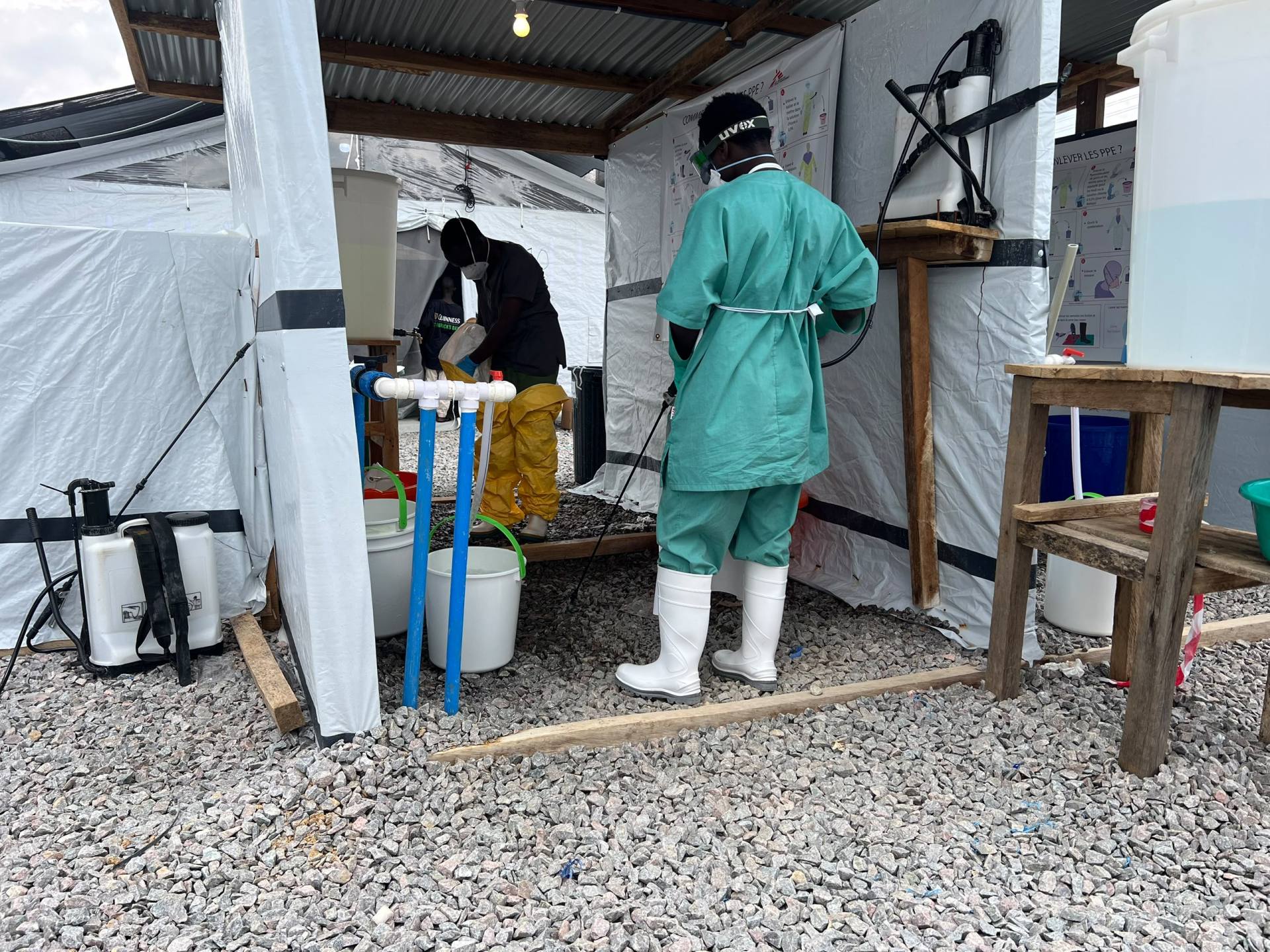
The resurgence of the Ebola virus in the eastern provinces of the Democratic Republic of Congo (DRC), compounded by a confirmed and fatal imported case in neighboring Kenya, has reignited intense international concern over regional health security. The outbreak emerges within a volatile geopolitical landscape marked by protracted armed conflict, displaced populations, and constrained humanitarian access in eastern DRC. State actors and multilateral agencies face immense challenges in deploying rapid response teams, establishing effective treatment centers, and conducting rigorous contact tracing in conflict-affected zones. The detection of the virus in Kenya underscores the porous nature of regional borders and the inherent difficulties in regulating population movements across key East African transit corridors. Governments throughout the region have swiftly mobilized emergency response committees, heightening surveillance at international airports, border crossings, and major commercial transit hubs to prevent a wider continental dissemination.
Global Trade & Economic Ripples
While public health concerns remain paramount, the epidemiological threat carries substantial ramifications for global commodity markets, regional supply chains, and commercial logistics. Eastern DRC and the broader Great Lakes region are critical transit corridors for various mineral resources, agricultural products, and cross-border trade. Heightened sanitary controls, mandatory health screenings, and potential localized quarantine measures introduce friction into supply chains, leading to transit delays and increased operational costs for logistics providers. International shipping lines, freight forwarders, and commodity traders operating in East Africa are recalibrating risk assessments. Although direct impacts on global energy markets remain muted, prolonged outbreaks historically depress local economic activity, constrain agricultural productivity, and inflict inflationary pressures on domestic food and commodity prices within affected nations, ultimately impacting investor confidence across emerging East African markets.
Related Intelligence: Middle East Conflict Escalates as Saudi Strikes Threaten Global Energy Markets
International Reactions & Diplomatic Stances
The World Health Organization (WHO), alongside the Africa Centres for Disease Control and Prevention (Africa CDC), has ramped up coordination efforts with regional health ministries to contain the spread. Multilateral bodies have emphasized the critical need for transparent information sharing, cross-border collaboration, and the rapid deployment of medical countermeasures, including vaccines and therapeutics. International donors and financial institutions are evaluating emergency funding packages to bolster fragile healthcare infrastructure in the DRC and support Kenya's containment operations. Market analysts note that while immediate financial contagion to global equity markets is limited, bilateral trade partners are closely monitoring the situation. Diplomatic missions in Nairobi and Kinshasa have issued updated travel advisories, urging heightened caution while underscoring confidence in local containment protocols provided adequate international resource mobilization is maintained.
Strategic Outlook & Future Scenarios
Looking ahead, the trajectory of this health crisis depends heavily on the speed of international assistance, security conditions in eastern DRC, and the efficacy of cross-border containment strategies. Upcoming regional summits focusing on East African Community (EAC) integration and security are expected to place health security coordination high on the diplomatic agenda. Should containment efforts falter, the risk of wider geographic dissemination increases, potentially triggering more stringent trade restrictions, border closures, and severe economic contractions in vulnerable sub-regions. Conversely, a coordinated, rapid public health intervention backed by robust international financing could successfully curtail transmission, mitigating long-term systemic risks to international trade and regional geopolitical stability.
Join Our Official WhatsApp Channel
Receive live commodity alerts, policy changes, and commercial intelligence directly on WhatsApp.