
Macron Gulf Tour Seeks Energy Security Amid Shifting Geopolitical Alliances
President Emmanuel Macron's diplomatic mission across the Gulf seeks vital energy supplies while offering security partnerships, recalibrating European access to Middle Eastern hydrocarbons.
Geopolitical & Core Developments
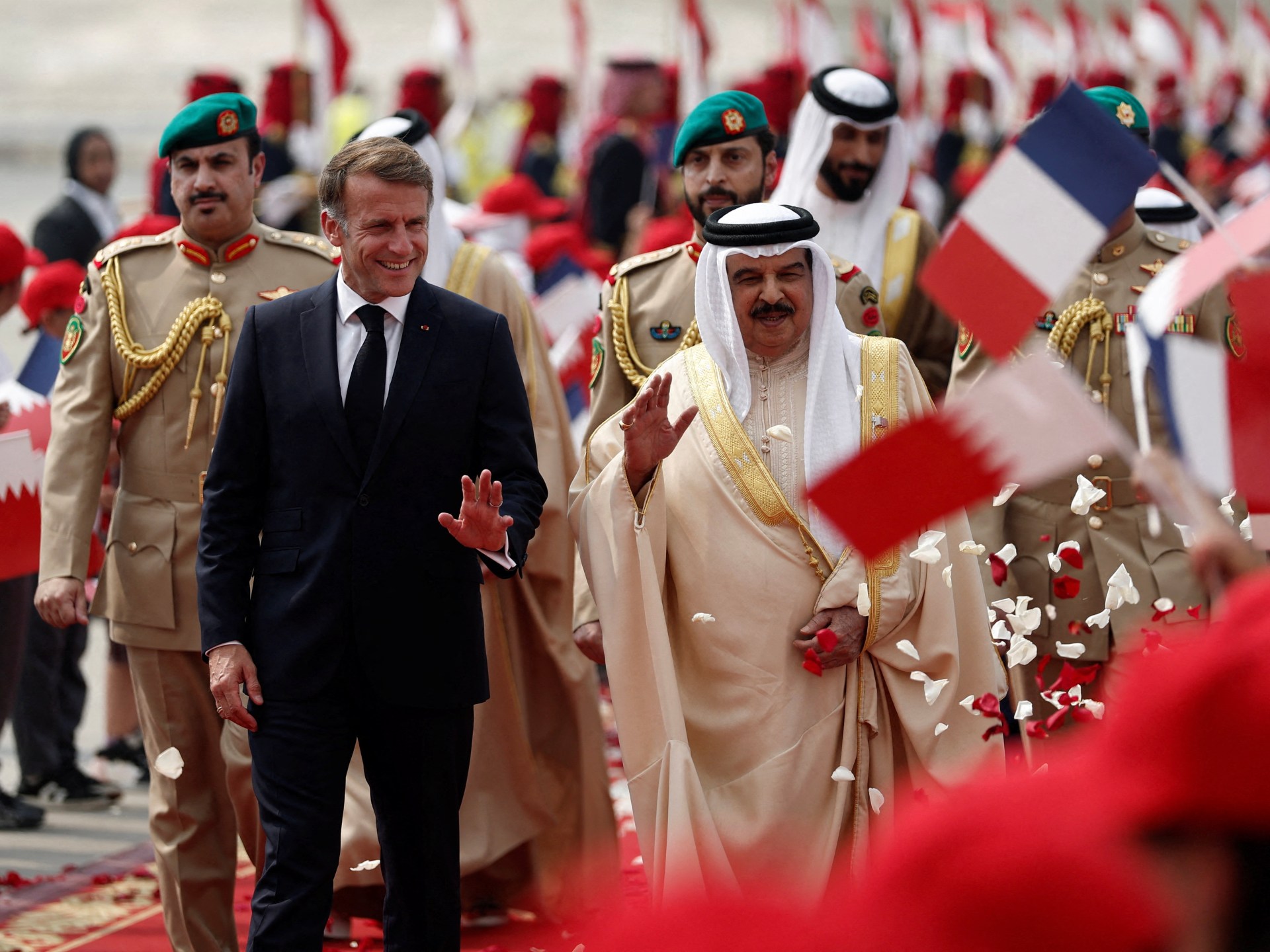
French President Emmanuel Macron has embarked on a high-stakes diplomatic itinerary across the Gulf Cooperation Council (GCC) capitals, aiming to recalibrate Europe's relationship with leading hydrocarbon producers. Facing acute European vulnerability to volatile fossil fuel markets and persistent supply adjustments by major oil exporters, Paris is actively seeking direct, bilateral mechanisms to secure reliable baseload crude and liquefied natural gas (LNG). The diplomatic initiative spans Riyadh, Abu Dhabi, and Doha, where French negotiators are attempting to institutionalize an 'energy-for-security' framework.
Historically reliant on United States security umbrellas, Gulf monarchies are diversifying their strategic dependencies amid perceived ambiguities in Washington's regional posture. France seeks to position itself as a sovereign, technologically sophisticated partner capable of delivering Tier-1 defense hardware, nuclear energy partnerships via state-backed entities, and intelligence-sharing protocols without the strict political conditionality often imposed by other Western capitals. As regional powers assert diplomatic autonomy, Macron’s overtures represent a calculated gambit to anchor French industrial and defense interests in exchange for priority access to critical energy reserves.
Global Trade & Economic Ripples
The commercial implications of France's bilateral thrust reverberate across global commodity flows and physical shipping infrastructure. With European energy consumers continuing to replace piped continental gas with seaborn LNG, competition for Gulf uncommitted volumes has grown increasingly cutthroat. Long-term off-take agreements pursued by French conglomerates like TotalEnergies directly affect the spot liquidity available to import-dependent Asian economies, notably Japan, South Korea, and India.
Furthermore, this strategic pivot directly affects sovereign currency dynamics and trade balances. As GCC states explore trade settlements outside the conventional petrodollar framework, France’s potential integration of reciprocal defense procurement, aerospace contracts, and renewable infrastructure investments offers an alternative economic conduit. Maritime logistics through key regional chokepoints, particularly the Strait of Hormuz and the Bab el-Mandeb, remain acutely sensitive to these alignments; enhanced French naval presence under European maritime surveillance frameworks serves as an operational hedge to protect commercial shipping lanes essential for global hydrocarbon transit.
Related Intelligence: Russia Backs Iran Amid Rising Middle East Tensions and Energy Windfalls
International Reactions & Diplomatic Stances
Regional authorities have received the French delegation with measured pragmatism. Officials in Abu Dhabi and Riyadh emphasized their commitment to balanced multipolar foreign policies, stressing that bilateral energy compacts must align with broader domestic modernization strategies, including localization of industrial manufacturing and technological transfer. Saudi officials reiterated that energy policy remains firmly anchored within the consensus-driven mechanisms of OPEC+, prioritizing market stability over unilateral concessions.
Within the European Union, reaction to Paris’s individual overtures remains mixed. While Southern European capitals view enhanced French ties with Gulf suppliers as a constructive counterweight that bolsters collective Mediterranean stability, Northern European leaders remain sensitive to unilateral bilateralism that risks undermining consolidated EU energy procurement platforms. Washington has officially welcomed allied contributions to regional security, though defense analysts note mounting unease over French efforts to market Dassault Rafale fighters and naval platforms that directly compete with American defense contractors in historical US sphere-of-influence markets.
Strategic Outlook & Future Scenarios
The trajectory of Franco-Gulf relations over the coming eighteen months depends on Paris’s ability to deliver tangible security guarantees amidst shifting geopolitical realities. A primary escalation point lies in regional maritime defense; should regional tensions flare, France's independent naval deployments will face operational stress tests that determine whether European powers can genuinely safeguard energy transit corridors without direct Pentagon intervention.
Upcoming multilateral gatherings, including international climate platforms and bilateral defense working groups, will test the durability of these arrangements. If France succeeds in formalizing comprehensive security guarantees paired with preferential long-term energy allocations, it will establish an alternative model for European external engagement in the Middle East. Conversely, if Gulf states demand deeper technological autonomy and sovereign defense integration than Paris can prudently license, French initiatives risk being reduced to standard commercial transactions, leaving Europe vulnerable to broader market volatilities and assertive non-Western buyers.
Join Our Official WhatsApp Channel
Receive live commodity alerts, policy changes, and commercial intelligence directly on WhatsApp.