
French Cost-of-Living Crisis Overshadows Major European Sporting Fixtures
Escalating civil unrest over educational policy and living costs in France has disrupted domestic stability, casting a shadow over high-profile international sporting events in Paris.
Geopolitical & Core Developments
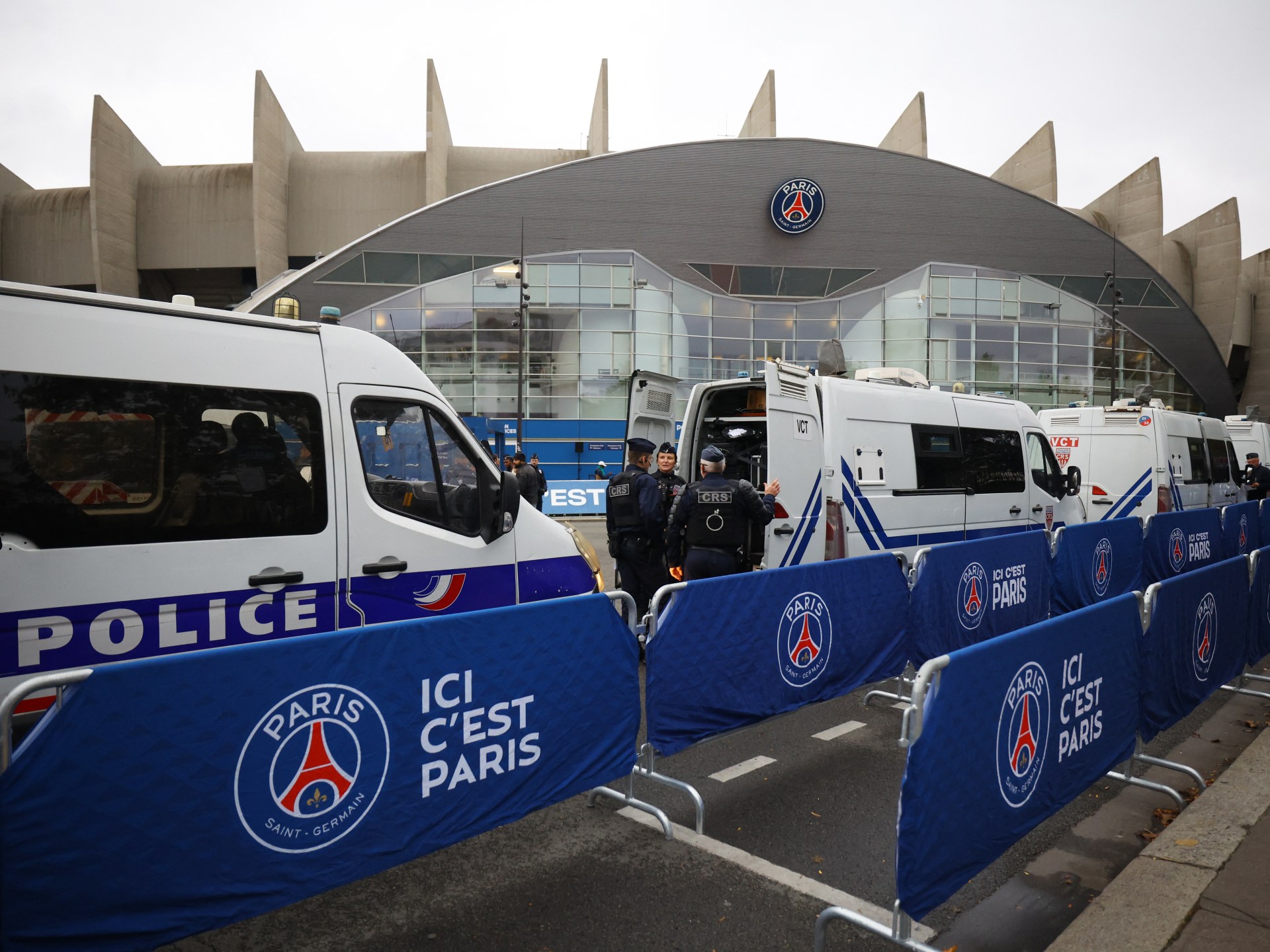
A critical UEFA Champions League fixture between Paris Saint-Germain and FC Barcelona proceeded under heavy security protocols in the French capital, staged against a widening domestic backdrop of student demonstrations, public sector walkouts, and escalating grievances regarding inflation and social policy. While international attention focused on the high-stakes sporting encounter, the event served as a focal point for the deep political fractures currently challenging the administration of President Emmanuel Macron.
The domestic friction stems from overlapping structural disputes across France, primarily concentrated on educational budget constraints, public infrastructure underfunding, and the erosion of real household income caused by persistent consumer price index pressures. Sporadic street confrontations and transport stoppages across Paris have disrupted urban logistics, requiring law enforcement to maintain concurrent operations safeguarding international sporting delegations while managing sprawling domestic demonstrations. This confluence highlights the fragility of France’s internal political cohesion at a time when European capitals are seeking to project stability amidst broader regional geopolitical realignments.
Global Trade & Economic Ripples
While the direct operational disruption of individual athletic fixtures remains contained, the underlying labor unrest exerts tangible pressure on Western European commercial activity. The recurring localized strikes across France continue to affect transit hubs, freight networks, and intermodal distribution channels linking French ports to inland European distribution corridors. Persistent friction in the transport sector creates micro-bottlenecks that reverberate through supply chains, particularly for consumer packaged goods and retail logistics.
Simultaneously, sovereign debt markets have reflected this domestic uncertainty. The yield spread between French 10-year government bonds (OATs) and the German benchmark Bund has experienced bouts of widening, reflecting investor caution regarding the French government’s fiscal deficit trajectory and its ability to implement structural spending curbs. Sustained public resistance to fiscal consolidation raises questions about future European Union budget rule compliance, dampening foreign direct investment in the French hospitality, sports-entertainment, and urban retail sectors, which are vital components of metropolitan services GDP.
Related Intelligence: US Measles Fatalities Mount Amid Surging Outbreaks and Public Health Pressures
International Reactions & Diplomatic Stances
European institutional stakeholders have monitored the domestic climate in Paris with measured concern, mindful of the potential contagion of industrial action across neighboring economies facing comparable stagflationary headwinds. The European Central Bank has repeatedly noted that wage negotiations and public sector compensation pressures across major member states remain pivotal variables in determining the medium-term inflation baseline and accompanying monetary policy tightening or easing trajectories.
Multilateral bodies and sovereign credit rating agencies have underscored that France’s structural debt-to-GDP ratio requires durable legislative discipline, a prospect complicated by ongoing civil unrest and legislative fragmentation in the National Assembly. While European sports bodies have refrained from public political commentary, international risk assessment firms have elevated operational security advisories for multinational corporations and foreign visitors operating within major French urban centers, emphasizing transit vulnerability.
Strategic Outlook & Future Scenarios
The trajectory of French domestic stability over the coming quarters hinges on the government's capacity to negotiate compromises on public education and wage indexation without derailing European fiscal commitments. If industrial action escalates into a coordinated national campaign across energy, sanitation, and logistics unions, France could face protracted commercial disruption with direct consequences for Eurozone growth forecasts.
Conversely, a failure to address structural cost-of-living concerns could manifest as heightened electoral volatility in upcoming parliamentary cycles, incentivizing populist platforms that question deeper European economic integration. In the immediate term, corporate operators and global commodity stakeholders must prepare for recurrent logistical friction across French transport corridors as labor organizations leverage high-visibility international events to force national policy concessions.
Join Our Official WhatsApp Channel
Receive live commodity alerts, policy changes, and commercial intelligence directly on WhatsApp.