
US-Ukraine Diplomatic Tensions Persist Despite Diplomatic Gestures in Oslo
Recent diplomatic engagements in Oslo highlighted persistent rifts between Ukrainian leadership and Donald Trump's policy circle, casting fresh uncertainty over Western military aid and Eastern European geopolitical stability.
Geopolitical & Core Developments
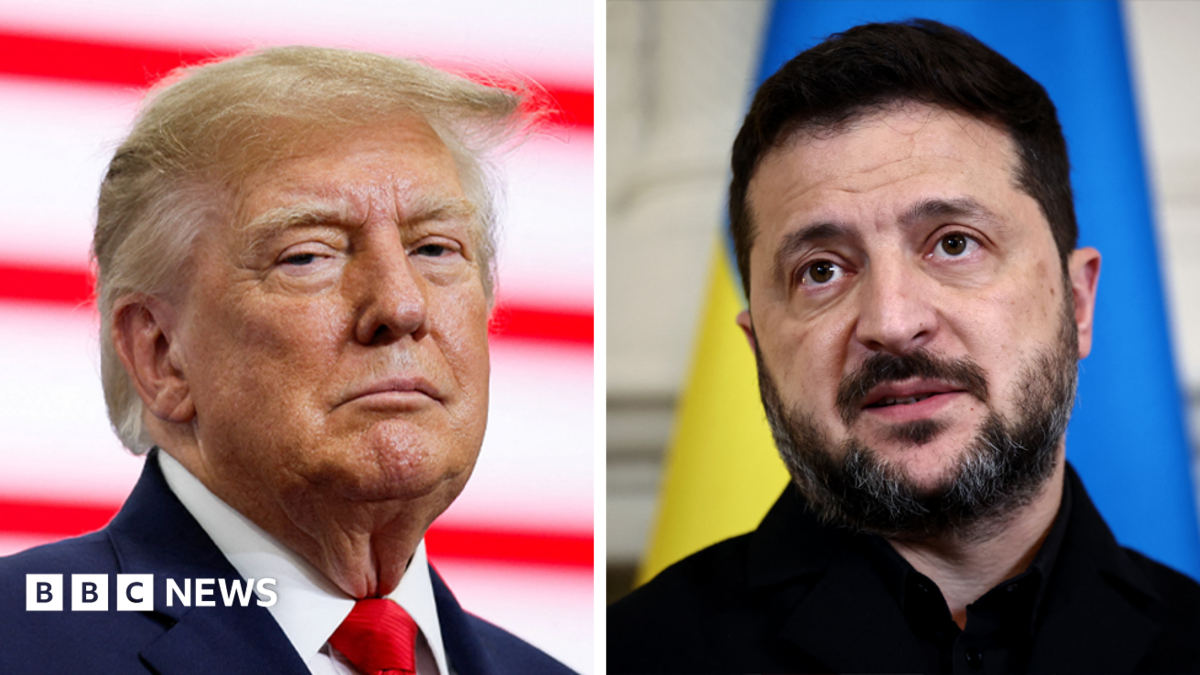
A recent diplomatic encounter in Oslo featuring Ukrainian President Volodymyr Zelensky and Steve Witkoff, a key envoy linked to Donald Trump's transitional apparatus, generated momentary optimism that quickly gave way to entrenched strategic misgivings. Despite cordial optics, underlying tensions remain acute over the long-term posture of Washington regarding sovereignty, territorial integrity, and military financing for Kyiv.
The friction stems from sharp divergence in operational timelines and acceptable settlement parameters. Trump has repeatedly pledged to broker a rapid cessation of hostilities, a scenario Kyiv and several frontline NATO members fear could force disproportionate concessions to Moscow. Ukrainian officials have maintained that any premature freeze without robust multilateral security guarantees risks institutionalizing territorial losses and invites further destabilization. Meanwhile, representatives of the incoming US administration continue to emphasize domestic fiscal constraints and the need for European capitals to assume primary burden-sharing in sustaining regional defense structures.
Global Trade & Economic Ripples
The ambiguous trajectory of US policy toward Ukraine introduces substantive friction across international energy networks and bulk commodity trading hubs. The Danube and Black Sea export corridors, critical for global wheat, maize, and sunflower oil distributions, remain acutely sensitive to diplomatic shifts. Insurers continue to recalibrate war-risk premiums on merchant vessels transiting the Black Sea, directly affecting landed costs for import-dependent nations in North Africa and the Middle East.
European natural gas contracts have also exhibited heightened sensitivity. Although direct dependence on pipeline gas through Ukraine has contracted sharply since 2022, any breakdown in regional maritime stability or infrastructure protections threatens liquefied natural gas (LNG) import pricing and inventory strategies heading into subsequent quarters. Furthermore, agricultural supply chains face sustained logistical costs, reinforcing global inflationary baselines across fertilizer and feed grain derivatives.
Related Intelligence: Russia Backs Iran Amid Rising Middle East Tensions and Energy Windfalls
International Reactions & Diplomatic Stances
Reactions across Western capitals reflect deepening apprehension over potential fragmentation within the transatlantic alliance. European leaders, particularly in Paris, Berlin, and Warsaw, have reaffirmed that decisions concerning Ukraine's territorial sovereignty cannot be made unilaterally without direct Ukrainian participation. Several European defense ministries have convened emergency working groups to assess financial mechanisms capable of filling prospective shortfalls should US appropriations diminish.
Conversely, Moscow has interpreted the friction as vindication of its long-term strategy of attrition, reiterating conditions that demand Ukrainian neutrality and the recognition of annexed territories. Multilateral bodies, including the United Nations and the European Commission, have cautioned that dismantling existing sanction regimes or wavering on international legal frameworks sets dangerous precedents for maritime freedom and territorial norms globally.
Strategic Outlook & Future Scenarios
The trajectory of the conflict approaches a critical inflection point as the next diplomatic calendar approaches. Three primary scenarios dominate institutional risk models. In the first, the incoming US executive branch applies acute financial leverage to force bilateral armistice negotiations, triggering sharp institutional pushback from Nordic and Eastern European allies.
In the second scenario, European capitals orchestrate a sovereign bond or windfall-asset financing framework to underwrite Ukrainian defense independently, prolonging a war of industrial attrition without direct American fiscal intervention. The third and most disruptive scenario involves unilateral security moves by regional actors to deter aggression, potentially widening the confrontation zone into neighboring airspaces and naval routes. The coming months will dictate whether transatlantic consensus can withstand shifting domestic priorities in Washington.
Join Our Official WhatsApp Channel
Receive live commodity alerts, policy changes, and commercial intelligence directly on WhatsApp.