
Border Clashes in Kurram Deepen Pak-Afghan Cross-Border Trade Uncertainties
Security operations against border infiltration in Khyber Pakhtunkhwa's Kurram district have heightened security alerts, stoking concerns regarding bilateral transit trade and regional supply stability.
The Core Development
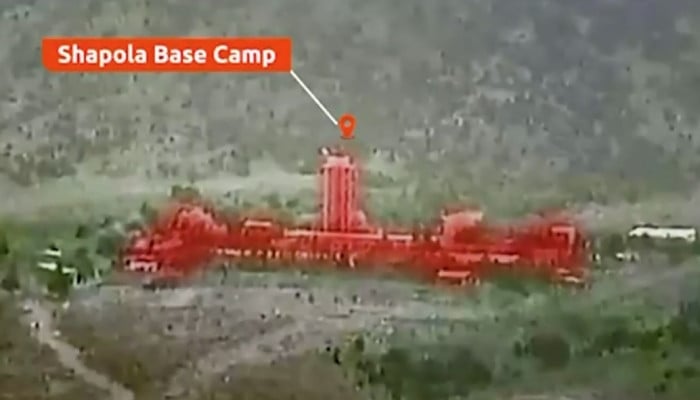
Pakistani security forces successfully thwarted an armed cross-border infiltration attempt in the Kurram district of Khyber Pakhtunkhwa, neutralizing several armed personnel affiliated with the Afghan Taliban, according to intelligence and official security sources. The incident unfolded along a rugged sector of the Durand Line, where surveillance units detected unauthorized tactical movement under cover of darkness. Upon interception, an intense exchange of fire ensued, resulting in multiple casualties among the infiltrating group while defensive cordons secured the perimeter.
The Kurram district, which shares extensive and porous geographic frontiers with eastern Afghan provinces, has witnessed recurring friction over border security enforcement, cross-border skirmishes, and militant activity. Over recent months, Islamabad has repeatedly urged authorities in Kabul to curb cross-border militancy and uphold bilateral border protocols. The tactical interception underscores persistent security friction along Pakistan's western flank, prompting heightened defensive posture and operational alertness across security deployments in the tribal belt.
Commercial & Economic Implications
While primary commercial transit operations traditionally route through the formalized customs terminals at Torkham and Chaman, security instability throughout the Kurram corridor exerts broader systemic pressures on regional logistics and wholesale trading networks. Heightened security friction routinely translates into increased transit scrutiny, secondary checkpoint inspections, and operational slowdowns across Khyber Pakhtunkhwa's freight arteries. For domestic retail and wholesale distribution networks, protracted border volatility introduces supply chain friction, particularly regarding perishable agri-produce, coal imports, and secondary regional distribution.
Furthermore, heightened security risks in border-adjacent districts elevate freight and haulage insurance risk premiums. Transport operators traversing inter-provincial routes linking northern Khyber Pakhtunkhwa to central distribution hubs in Punjab increasingly factor extended dwell times and security volatility into haulage contracts. Such logistics overheads filter directly down into wholesale cost structures, complicating margins for traders and fueling inflationary pressure on essential consumer commodities.
Stakeholder Perspectives & Market Reactions
Regional business associations and logistics operators have voiced recurring concerns regarding the operational viability of western transit corridors amid sporadic security volatility. The Sarhad Chamber of Commerce and Industry (SCCI) and commercial trading bodies have consistently stressed that continuous transit certainty is critical to sustaining regional livelihoods and preserving bilateral trade momentum. Traders emphasize that administrative disruptions or security closures disproportionately penalize legal enterprise while informal channels exploit peripheral vulnerabilities.
Security and foreign policy analysts view the event through the prism of strained diplomatic ties between Islamabad and Kabul. Official circles in Pakistan maintain that national territorial integrity remains inviolable and that cross-border terrorism will encounter firm kinetic responses. Conversely, diplomatic observers note that absence of institutionalized border coordination mechanisms leaves frontier regions vulnerable to tactical escalations that periodically spill over into economic paralysis.
Forward Outlook & Key Watchpoints
In the immediate term, security forces are expected to maintain comprehensive area sanitization operations, reinforced surveillance, and stringent movement curbs across secondary border routes in Kurram. Market watchers and logistics analysts will closely monitor whether the incident induces bilateral diplomatic blowback, administrative slowdowns at established customs terminals, or additional regulatory mandates on cross-border transport documentation.
The strategic focus remains centered on institutional risk mitigation. If administrative and border tensions escalate into formalized trade friction or protracted transit delays, wholesale supply networks dealing in transit commodities will need to recalibrate inventory horizons, maintain buffer stocks, and optimize domestic sourcing strategies to counteract heightened cross-border operational risk.
Join Our Official WhatsApp Channel
Receive live commodity alerts, policy changes, and commercial intelligence directly on WhatsApp.