
Nawaz Sharif Backs Governor Rule In Khyber Pakhtunkhwa Amid Mounting Friction
Pakistan Muslim League-Nawaz supremo Nawaz Sharif has endorsed the potential imposition of emergency measures in Khyber Pakhtunkhwa, citing sustained administrative paralysis and security risks.
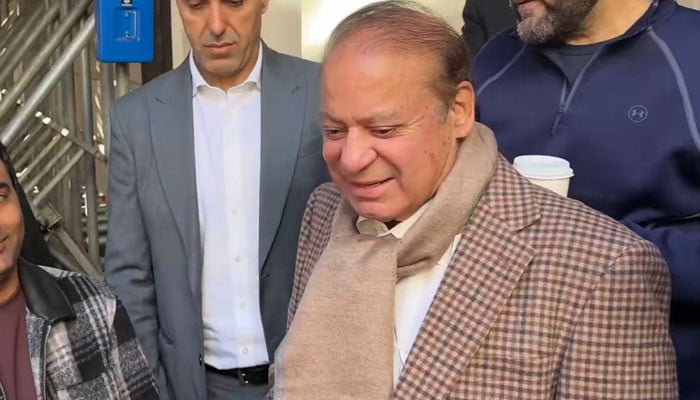
The Core Development Pakistan Muslim League-Nawaz (PML-N) supreme leader Nawaz Sharif issued an unequivocal critique of the Pakistan Tehreek-e-Insaf (PTI) administration in [Khyber Pakhtunkhwa](/news/centre-defends-emergency-governor-rule-khyber-pakhtunkhwa) (KP), declaring that federal emergency measures or governor's rule should have been enforced in the province significantly earlier. Addressing senior party leadership and representatives, Sharif argued that administrative breakdown, deteriorating law and order, and provincial resistance to coordinated national policies have created an unsustainable governing structure in the northwest.
The remarks arrive amid intensified confrontation between the federal coalition in Islamabad and the KP provincial executive led by Chief Minister Ali Amin Gandapur. Over recent months, the provincial administration has repeatedly engaged in jurisdictional disputes over federal law enforcement jurisdiction, fiscal allocations, and anti-militancy strategies under the revised National Action Plan. Sharif argued that constitutional mechanisms under Article 232 or Article 234 should have been leveraged prior to current security and institutional escalations to safeguard national stability and institutional order.
Commercial & Economic Implications The heightening constitutional friction carries direct consequences for trade corridors and wholesale distribution networks anchored in Khyber Pakhtunkhwa. As a vital transit corridor linking Punjab and Sindh with Afghanistan and Central Asian republics, disruptions in KP governance routinely spill into inter-provincial commerce. Supply chain managers report growing friction along national highways, sporadic border terminal closures at Torkham and Ghulam Khan, and elevated freight security premiums.
Wholesale commodity trade, industrial inputs, and fast-moving consumer goods (FMCG) distribution are acutely sensitive to political stability in the province. Continued administrative polarization risks delays in federal development spending and public sector development program (PSDP) execution across northwestern logistics hubs. Retail trade associations in Peshawar and surrounding trading hubs report that prolonged uncertainty is curbing working capital replenishment, dampening credit appetite, and exacerbating regional price volatility on essential perishables.
Related Intelligence: Islamabad ATC Denies Physical Remand for Former Gilgit-Baltistan Chief Minister
Stakeholder Perspectives & Market Reactions Reaction across legal and business circles has highlighted deep structural divisions. Commercial bodies, including regional chambers of commerce and logistics federations, have expressed alarm regarding the prospect of prolonged political instability. Business leaders stress that cross-border trade volumes are already strained by rigorous documentary compliance and currency restrictions; administrative dislocation would further depress revenue collections for clearing agents and transport operators.
Constitutional scholars and legal observers note that imposing federal control or declaring a state of emergency carries stringent procedural thresholds, requiring robust parliamentary endorsement under constitutional safeguards. Opposition leaders in the PTI have rejected Sharif's posture as anti-democratic, cautioning that bypassing an elected provincial mandate would trigger protracted legal challenges and public protests. Conversely, coalition supporters contend that national internal security mandates necessitate cohesive executive control when provincial machinery fails to curb regional disorder.
Forward Outlook & Key Watchpoints In the near term, financial and commercial stakeholders are closely observing whether the federal cabinet will formally initiate constitutional procedures to override the provincial executive. The primary watchpoint centers on the National Assembly and Senate, where legislative math will dictate the feasibility of prolonging any proposed emergency measures beyond initial presidential declarations.
Market operators must also track bilateral transit trade metrics along the western corridor. Any escalation into street demonstrations or law-enforcement crackdowns would directly alter highway transit times, impact domestic grain and fertilizer movements, and elevate insurance premiums on provincial transport fleets. A definitive resolution or clear administrative demarcation remains imperative to insulate vulnerable trade corridors from broader systemic risks.
Join Our Official WhatsApp Channel
Receive live commodity alerts, policy changes, and commercial intelligence directly on WhatsApp.