
Cross-Border Skirmish at Kurram Disrupts Regional Stability and Bilateral Trade
Pakistan security forces effectively retaliated against unprovoked Afghan Taliban firing in the Kurram sector, raising concerns over regional stability, transit trade corridors, and escalating supply chain friction.
The Core Development
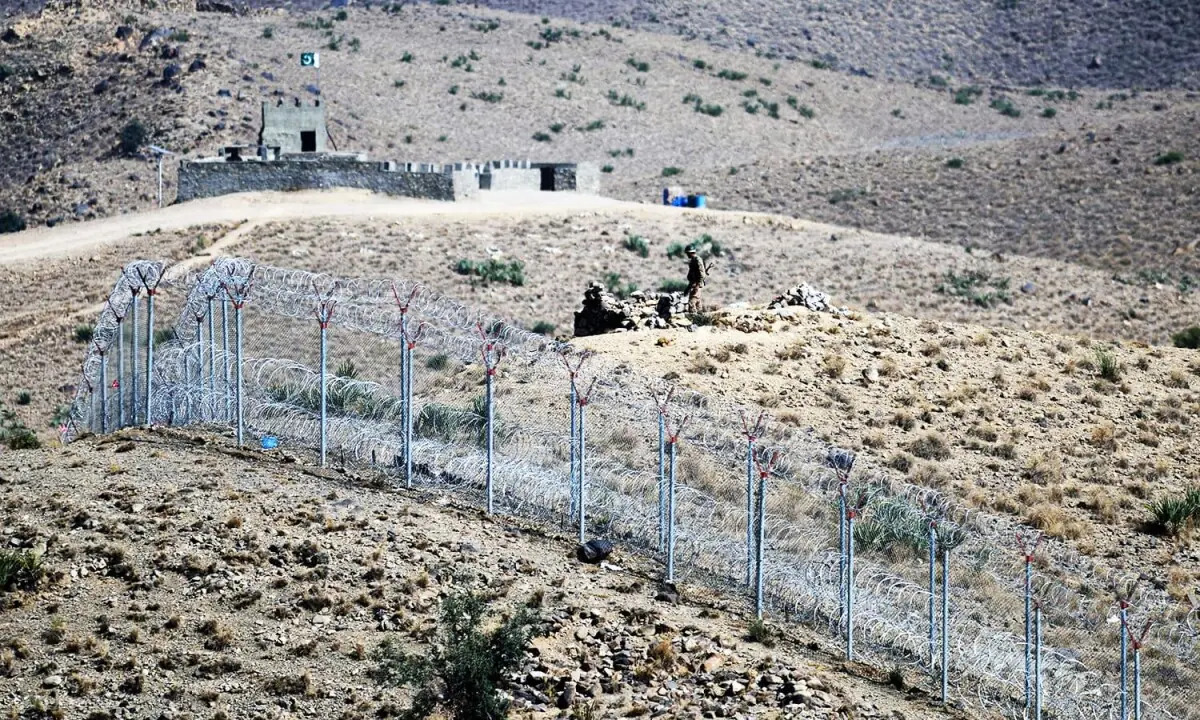
Tensions along the Pakistan-Afghanistan international frontier escalated sharply on Saturday following cross-border hostilities initiated by Afghan Taliban forces in the Kurram sector of Khyber Pakhtunkhwa. According to official reports corroborated by state media, Afghan border personnel launched unprovoked firing across the border. Security sources noted that the tactical assault was executed primarily to provide suppressive fire and facilitate the movement of terrorist operatives attempting illegal infiltration into Pakistani territory.
In response to the hostile engagement, Pakistan security forces deployed heavy weaponry to target and neutralize the hostile positions across the frontier. The calculated counter-offensive successfully dismantled several fortified Afghan Taliban border posts, compelling hostile elements to abandon their forward defense positions. The exchange marks another volatile escalation in the Kurram tribal district, a sensitive frontier territory that has historically remained a flashpoint for cross-border friction and insurgent movements.
Islamabad has repeatedly urged the interim authorities in Kabul to uphold international border agreements and prevent sovereign Afghan territory from being utilized by destabilizing factions. The latest armed confrontation underscores the persisting friction regarding counter-terrorism measures along the Durand Line, forcing Pakistani military formations into heightened defensive postures.
Commercial & Economic Implications
While the military exchange remained confined to forward tactical outposts, its economic ramifications are acutely felt across Pakistan's overland commerce network. The Kurram corridor and neighboring frontier arteries serve as critical conduits for domestic goods distribution, direct border trade, and bilateral transit agreements. Heightened military preparedness inherently leads to tightened cargo scrutiny, vehicle movement restrictions, and the periodic suspension of transport at proximate clearance points, notably Kharlachi and Torkham.
For wholesale distributors and retail markets across Khyber Pakhtunkhwa and Punjab, disruptions along the northwestern frontier directly jeopardize supply stability. Prolonged transit bottlenecks result in immediate logistics cost surges, as freight operators hike transportation premiums to offset operational risks. The impact falls heavily on fresh agricultural perishables, cement, pharmaceuticals, and consumer retail lines heading westward, alongside critical dry fruit and mineral shipments moving inward. The recurring volatility threatens to derail the formalization of cross-border trade, which currently totals between $1.5 billion and $1.8 billion annually, prompting traders to navigate supply constraints that inevitably feed into domestic wholesale price inflation.
Related Intelligence: Border Clashes in Kurram Deepen Pak-Afghan Cross-Border Trade Uncertainties
Stakeholder Perspectives & Market Reactions
Commercial stakeholders and trade bodies have expressed serious concern regarding the continuous operational volatility along the border. Representatives from the Khyber Pakhtunkhwa Chamber of Commerce and Industry and regional transport associations have reiterated that unscheduled security closures inflict severe commercial losses, stranding hundreds of commercial freight trucks laden with time-sensitive inventory.
Transport operators note that extended clearance delays translate to idle fleet expenses, escalating demurrage fees, and damaged inventory. Concurrently, national security analysts emphasize that state institutions cannot compromise on border sovereignty or allow illicit infiltration under the pretext of commercial connectivity. Civil administration and defense officials maintain that firm operational responses are imperative to deter hostile incursions, maintain strategic stability, and enforce rigorous state oversight across all transit points.
Forward Outlook & Key Watchpoints
The trajectory of diplomatic and trade relations between Islamabad and Kabul remains contingent upon the Afghan interim administration's actions regarding cross-border terrorism. Key watchpoints over the coming weeks include potential bilateral flag meetings between sector commanders, high-level diplomatic contacts, and formal security assurances to normalize trade movement across the Kurram and adjacent border zones.
Market observers will closely track operational parameters at international border crossings, specifically cargo clearance clearance speeds and domestic wholesale pricing trends for transit-reliant goods. If cross-border hostility recurs, institutional stakeholders anticipate the implementation of enhanced screening protocols, prolonged cargo processing timelines, and strategic operational shifts by logistics firms managing Pakistan-Afghanistan supply chains.
Join Our Official WhatsApp Channel
Receive live commodity alerts, policy changes, and commercial intelligence directly on WhatsApp.