
Khyber Pakhtunkhwa Security Backtrack Threatens Trade and Economic Stability
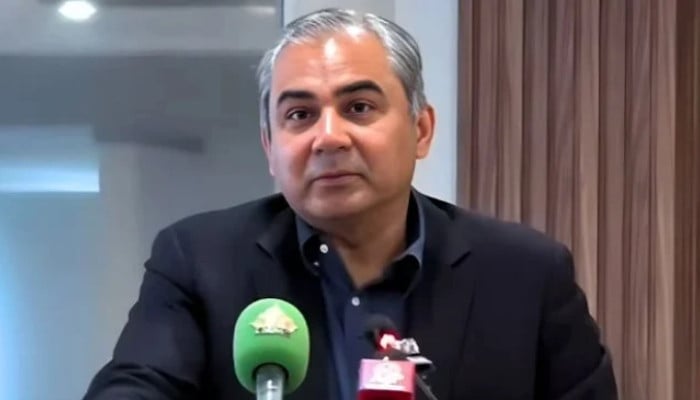
Interior Minister Mohsin Naqvi revealed that the PTI-backed Khyber Pakhtunkhwa government withdrew crucial security commitments during final-stage negotiations, raising serious concerns for regional trade stability.
The Core Development
In a high-stakes political and security development, Federal Interior Minister Mohsin Naqvi revealed on Sunday that the Pakistan Tehreek-e-Insaf (PTI)-backed administration in Khyber Pakhtunkhwa (KP) abruptly withdrew from essential security commitments during the final phase of crucial negotiations. The breakdown in coordination occurred at a delicate juncture when federal and provincial authorities were finalizing arrangements to secure vital transit routes and urban centers. According to senior interior ministry officials, the sudden reversal by the provincial leadership has disrupted meticulously planned operational timelines and forced federal agencies to recalibrate their security architecture across sensitive districts.
Commercial & Economic Implications
For Kalyar Traders and the broader business community operating in Pakistan's northwestern corridor, the security vacuum resulting from political friction carries immediate commercial costs. Khyber Pakhtunkhwa serves as a critical gateway for bilateral trade with Central Asia, housing key commercial arteries through the Torkham border and surrounding industrial zones. Transport delays, heightened security alerts, and potential route closures directly impede wholesale distribution networks. Logistics companies report increased freight insurance premiums and extended transit times, pressures that inevitably trickle down to retail markets, exacerbating inflationary pressures on essential commodities and consumer goods.
Related Intelligence: Khyber Pakhtunkhwa Government Agrees to Comprehensive Counterterrorism Pact
Stakeholder Perspectives & Market Reactions
Major trade bodies, chambers of commerce, and retail associations have expressed profound alarm over the deteriorating coordination between federal and provincial apparatuses. Representatives from the Peshawar and Sarhad Chambers of Commerce emphasized that uninterrupted security is the absolute bedrock of commercial activity. Business leaders noted that repeated political deadlocks erode investor confidence precisely when the national economy requires stability to sustain nascent recovery trends. Legal experts have similarly pointed out that jurisdictional friction between Islamabad and Peshawar undermines the enforcement of regulatory frameworks and dampens consumer sentiment.
Forward Outlook & Key Watchpoints
As federal authorities deliberate on alternative enforcement mechanisms to secure the province, market watchers and supply chain managers are closely monitoring several critical indicators. Key watchpoints include potential emergency sessions between federal ministries and provincial stakeholders, adjustments to trade logistics insurance, and any escalation in security protocols along major commercial highways. Failure to reach a pragmatic political consensus could lead to prolonged trade disruptions, compelling businesses to seek alternative supply routes and further complicating Pakistan's macroeconomic stabilization trajectory.
Join Our Official WhatsApp Channel
Receive live commodity alerts, policy changes, and commercial intelligence directly on WhatsApp.