
Khyber Pakhtunkhwa Government Agrees to Comprehensive Counterterrorism Pact
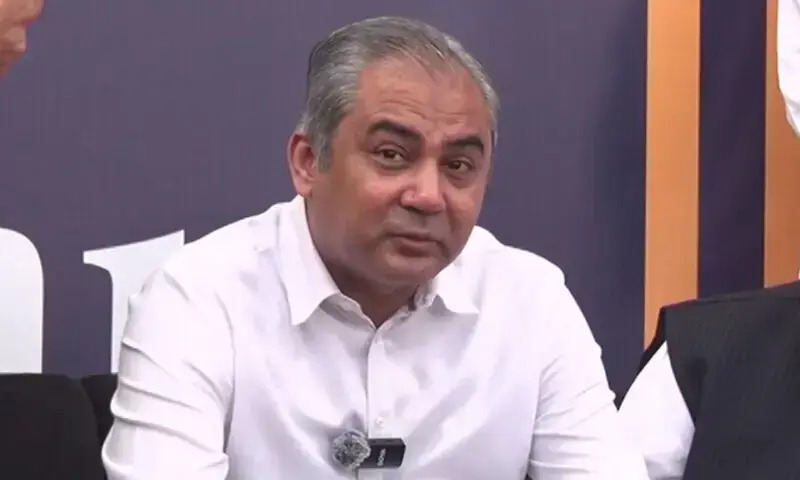
Interior Minister Mohsin Naqvi announced that the Khyber Pakhtunkhwa government has agreed to sign a formal counterterrorism agreement and submit an implementation plan within 72 hours.
The Core Development
In a critical development for national security and internal stability, Federal Interior Minister Mohsin Naqvi announced on Sunday that the government of Khyber Pakhtunkhwa (KP) has formally agreed to sign a written counterterrorism agreement. The breakthrough follows intensive deliberations between federal authorities and provincial leadership aimed at streamlining security operations across high-risk zones. Under the terms of the arrangement, the provincial administration has been given a strict 72-hour deadline to formulate and submit a comprehensive implementation plan. This blueprint is expected to outline actionable steps for local law enforcement, intelligence-sharing mechanisms, and coordination with federal security apparatuses to neutralize militant threats that have historically plagued the region and disrupted vital administrative corridors.
Commercial & Economic Implications
For Kalyar Traders and the wider business community operating across Pakistan's northern frontiers, security stability is intrinsically linked to commercial viability. Persistent security vulnerabilities in Khyber Pakhtunkhwa have long cast a shadow over wholesale distribution networks, retail trade, and cross-border supply chains. By establishing a unified counterterrorism framework, this agreement holds the potential to significantly reduce transit risks along key trade arteries, including the vital routes connecting commercial hubs to regional markets. Uninterrupted logistics and lower risk premiums directly translate to mitigated transport costs, stabilizing wholesale prices and buffering everyday consumers from inflationary spikes driven by supply chain bottlenecks and transport delays.
Related Intelligence: Kashmir Resolution Essential for Regional Stability and Trade Growth: Rana Qasim Noon
Stakeholder Perspectives & Market Reactions
Business councils, industrial associations, and trade bodies have responded with cautious optimism to the announcement. Prolonged instability has historically depressed investor sentiment and impeded capital deployment in manufacturing and retail sectors within the province. Industry representatives have emphasized that while a written commitment is a positive stride, its true value will be measured by transparent execution on the ground. Legal experts and policy analysts note that bridging federal-provincial divides on security policy is paramount for establishing a predictable regulatory and operational environment, which remains a foundational prerequisite for sustained economic growth and investor confidence.
Forward Outlook & Key Watchpoints
All eyes are now fixed on the 72-hour deadline set for the submission of the provincial implementation plan. Key watchpoints for market participants and policy observers include the specific resource allocation outlined in the plan, the degree of institutional synergy between federal and provincial law enforcement agencies, and the operational milestones established to monitor progress. Should the implementation proceed without political friction, it could pave the way for broader macroeconomic stabilization, enhanced trade flows, and an improved business climate across the region.
Join Our Official WhatsApp Channel
Receive live commodity alerts, policy changes, and commercial intelligence directly on WhatsApp.