
Houthi Escalation in Riyadh Threatens Regional Trade Routes and Pakistan Supply Chains
Intensifying conflict between Houthi forces and Saudi-led coalitions threatens critical Red Sea trade corridors, raising serious inflation and supply chain concerns for Pakistani markets.
The Core Development
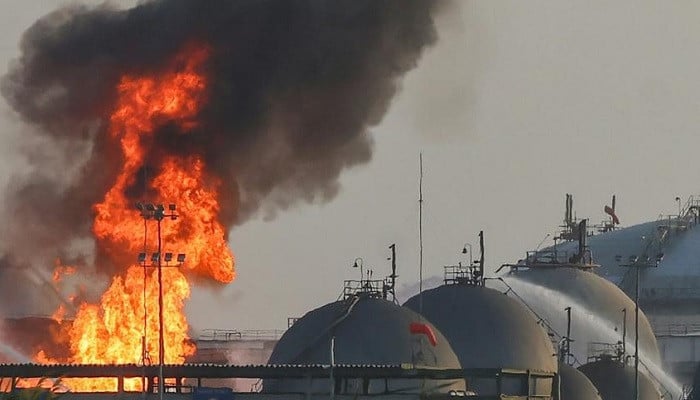
The conflict in Yemen has reached a dangerous new inflection point following a sharp escalation in hostilities between Houthi forces and the Saudi-led coalition. Houthi-affiliated Al-Masirah television network reported a barrage of 26 intense airstrikes pounding the Yemeni capital of Sanaa, marking one of the most violent bombardments in recent months. This military surge follows the strategic seizure of vast stretches of Yemen's Red Sea coast by Houthi fighters, solidifying their tactical chokehold over vital maritime corridors. The confrontation breached geographic containment as strikes and counter-actions rattled the Arabian Peninsula, including an aggressive military action targeting Riyadh. This expansion of the theater of war directly threatens regional stability, vital energy infrastructures, and international shipping lanes that handle billions of dollars in global commerce daily.
Commercial & Economic Implications
For Pakistan, the escalation in the Red Sea and the broader Arabian Peninsula carries immediate and profound economic reverberations. As a net importer of petroleum products and a major consumer of Middle Eastern trade routes, Pakistan's supply chains are acutely vulnerable to disruptions in maritime traffic. The militarization of the Red Sea forces commercial carriers to reroute or delay shipments, driving up container freight rates, marine insurance premiums, and bunker fuel costs. These logistic bottlenecks directly impact wholesale distribution networks across Karachi, Lahore, and Faisalabad. Imported raw materials, industrial inputs, and essential commodities face prolonged transit times, which threatens to trigger a fresh wave of cost-push inflation, squeeze manufacturing margins, and elevate retail prices for Pakistani consumers already grappling with high utility tariffs and currency depreciation.
Related Intelligence: US Midterm Pivot Threatens Global Trade Stability and Energy Markets
Stakeholder Perspectives & Market Reactions
Business councils, trade associations, and industrial federations in Pakistan have expressed deep apprehension regarding the compounding risks to international trade. Representatives from major chambers of commerce note that sustained instability in the Persian Gulf and Red Sea corridors could derail fragile industrial recovery efforts. Importers and exporters alike are calling upon federal authorities to formulate proactive contingency plans, including the diversification of sourcing corridors and enhanced logistical support for alternate shipping routes. Financial analysts and commodity brokers warn that any sustained spike in global crude oil prices driven by Middle Eastern conflict will immediately widen Pakistan's trade deficit, pressure foreign exchange reserves, and complicate monetary policy management by the central bank.
Forward Outlook & Key Watchpoints
As diplomatic channels strain under the weight of renewed military action, the immediate trajectory of the conflict remains dangerously unpredictable. Key watchpoints for policymakers and business leaders include the security status of strategic chokepoints like the Bab el-Mandeb strait, potential retaliatory actions by coalition forces, and official advisories from international maritime organizations. If hostilities persist without a ceasefire or diplomatic intervention, businesses in Pakistan must prepare for prolonged volatility in shipping schedules and energy markets. Policymakers will need to monitor foreign exchange exposure closely and maintain strategic buffer stocks of essential commodities to insulate domestic retail markets from external shocks.
Join Our Official WhatsApp Channel
Receive live commodity alerts, policy changes, and commercial intelligence directly on WhatsApp.