
Rare Australian Tornado Strikes Ulladulla, Raising Infrastructure and Supply Chain Concerns
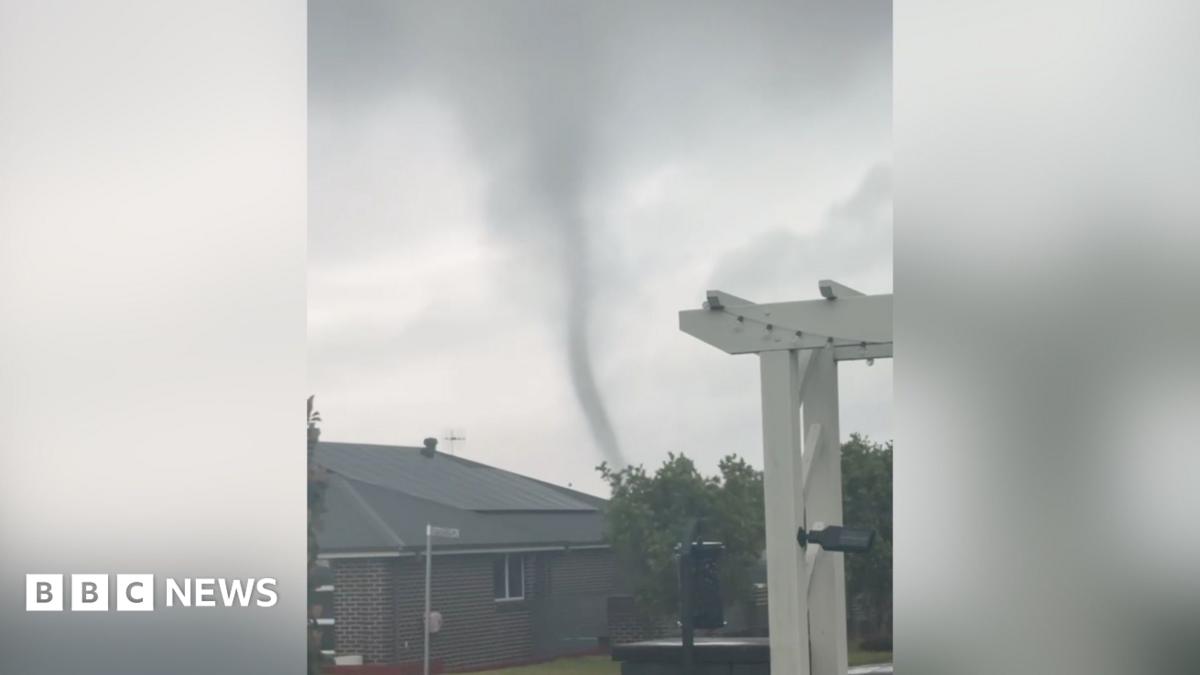
A rare tornado struck the coastal New South Wales town of Ulladulla, causing structural damage and highlighting regional infrastructure vulnerabilities.
Geopolitical & Core Developments
In an unexpected meteorological event that has drawn national and international attention, a rare and violent tornado tore through the coastal town of Ulladulla in New South Wales, Australia. Captured on camera by residents and local media, the twister carved a destructive path through residential and commercial districts, ripping roofs from buildings, uprooting century-old trees, and downing critical power infrastructure. While Australia is no stranger to extreme weather events such as bushfires, severe droughts, and tropical cyclones along its northern coasts, tornadoes of this intensity remain highly unusual in the temperate southeastern regions.
Emergency services launched immediate recovery operations, deploying civil defense teams and disaster relief units to secure structural hazards and clear blocked arteries. The sudden nature of the vortex has reignited national debates regarding emergency response preparedness, early warning systems, and the increasing volatility of localized weather patterns. State authorities have mobilized disaster assessment teams to evaluate the full scope of structural integrity across public buildings and private residences, ensuring that displaced populations receive immediate assistance while structural engineers test compromised foundations.
[Global Trade](/news/us-midterm-pivot-threatens-global-trade-stability-and-energy-markets) & Economic Ripples
Although Ulladulla is primarily a regional coastal hub rather than a major global shipping artery, localized weather shocks of this nature carry distinct economic implications for Australia's domestic supply chains and agricultural logistics network. New South Wales serves as a critical corridor for regional commerce, timber production, and coastal trade. Temporary closures of key transport routes due to downed timber and debris have created localized bottlenecks in freight distribution, temporarily delaying the movement of goods between regional producers and major metropolitan distribution hubs in Sydney and Canberra.
Furthermore, the incident underscores the broader financial exposure of municipal and national insurance markets to unpredictable climate shocks. Reinsurance firms and commercial underwriters monitoring the Asia-Pacific region are increasingly factoring severe convective storms into risk models for Australian assets. As extreme weather events become more frequent, the cost of commercial property insurance and public infrastructure maintenance continues to escalate, placing indirect pressure on corporate operational expenditures and municipal budgets alike.
Related Intelligence: Middle East Escalation Threatens Global Supply Chains as Trump Warns Iran
International Reactions & Diplomatic Stances
International meteorological networks and disaster management agencies have closely monitored the Ulladulla event, sharing telemetry and radar data with Australian authorities to study the atmospheric dynamics that spawned the vortex. Multilateral bodies, including specialized climate and environmental monitoring groups, have pointed to the incident as part of a broader global trend of atmospheric instability. Market analysts specializing in Oceania economies have noted that while the direct macroeconomic impact remains minimal on a national scale, international trade partners are increasingly evaluating climate-resilient infrastructure investments when engaging in long-term commercial projects within the region.
Strategic Outlook & Future Scenarios
Looking ahead, regional authorities and federal policymakers face mounting pressure to accelerate investments in climate resilience and early-warning radar infrastructure. The unexpected nature of the Ulladulla tornado highlights the limitations of legacy forecasting models in predicting localized severe weather phenomena. Upcoming municipal planning summits in New South Wales are expected to prioritize structural fortification codes, underground power cabling, and enhanced emergency communication networks to mitigate future risks.
For international businesses operating within Australia, the event serves as a timely reminder of operational risk exposure stemming from unseasonal environmental volatility. As global supply chains grow increasingly sensitive to localized disruptions, corporate strategies must incorporate robust contingency planning for extreme weather contingencies, ensuring business continuity across all regional nodes.
Join Our Official WhatsApp Channel
Receive live commodity alerts, policy changes, and commercial intelligence directly on WhatsApp.