
Inside the Red Sea Kill Box: Yemenis Trapped Amid Houthi Escalation
Residents in Houthi-held Yemeni port cities endure worsening humanitarian conditions as maritime escalations paralyze vital Red Sea trade routes and strain global supply chains.
Geopolitical & Core Developments
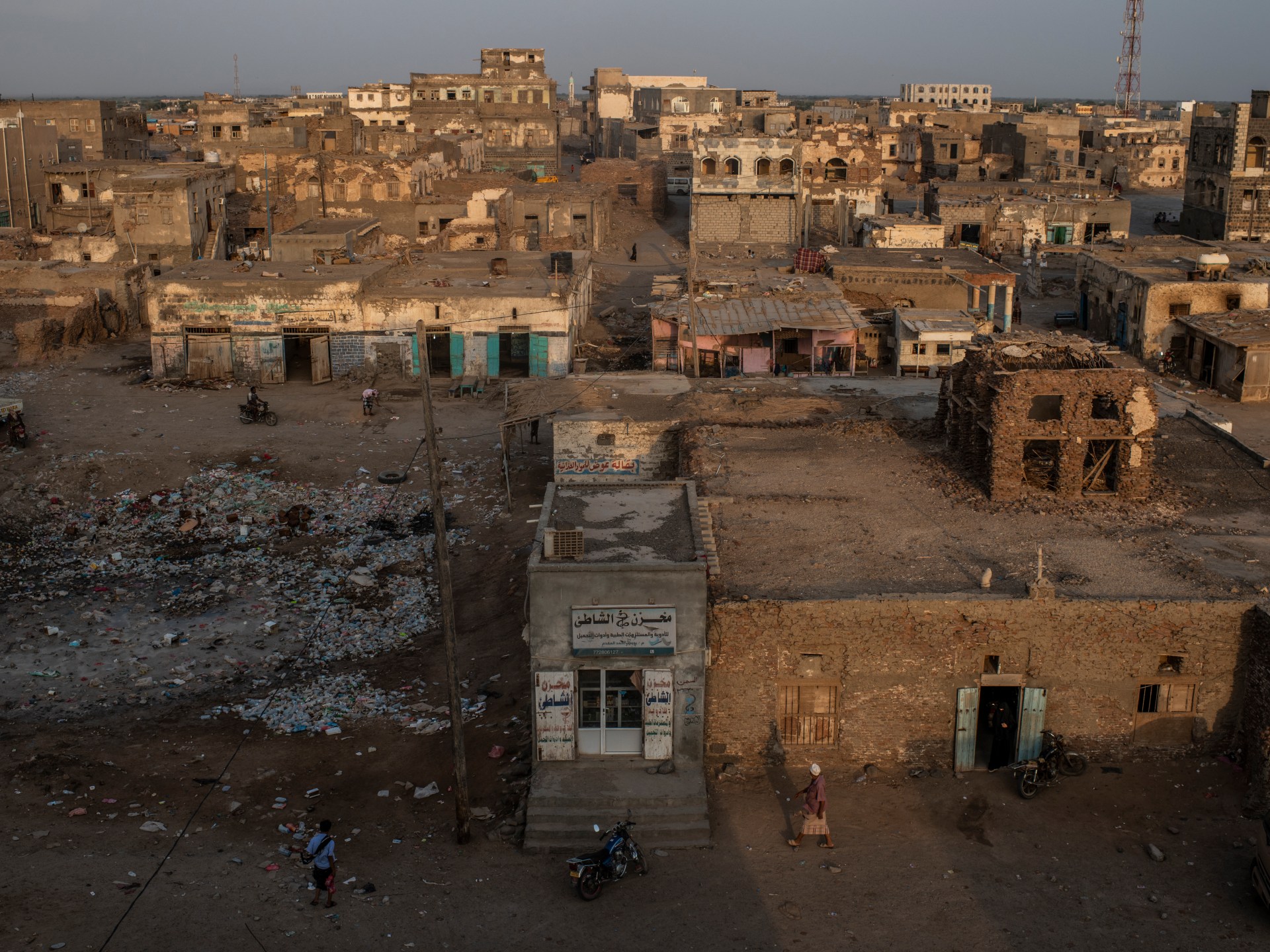
The strategic coastline of Yemen remains one of the world's most volatile geopolitical flashpoints, serving as the operational epicenter for Houthi military actions directed against international shipping in the Red Sea. While global attention focuses primarily on the barrage of anti-ship missiles and drone incursions targeting commercial vessels, the domestic reality for civilians trapped inside urban centers like Mocha and surrounding coastal enclaves is characterized by profound deprivation. Years of protracted conflict have crystallized into a rigid stalemate, transforming critical maritime corridors into high-risk zones often described by locals as operational kill boxes.
State actors and regional coalitions remain deeply entrenched in their respective positions. The ongoing confrontation involves a complex matrix of asymmetric warfare waged by the Houthi movement, counter-operations by Western naval task forces, and the localized suffering of non-combatants caught in the crossfire. Infrastructure decay, severe restrictions on internal movement, and the militarization of coastal territories have exacerbated the vulnerability of populations who chose or were forced to stay behind, entirely cut off from sustainable economic recovery and humanitarian relief pipelines.
Global Trade & Economic Ripples
The deterioration of security conditions along the Bab el-Mandeb strait has triggered profound shockwaves across global commodity markets and international logistics networks. As major container shipping lines and energy conglomerates reroute vessels around the Cape of Good Hope to avoid the Red Sea corridor, transit times between Asian manufacturing hubs and European consumer markets have expanded by up to two weeks. This forced circumnavigation of the African continent has driven up maritime freight rates, escalated insurance premiums for hull and cargo coverage, and introduced severe bottlenecks into global supply chains.
Energy markets have proven particularly sensitive to these maritime disruptions. Liquefied natural gas (LNG) and crude oil shipments transiting the corridor face persistent threat vectors, creating a perpetual risk premium embedded within Brent and WTI futures contracts. Industrial commodities, agricultural products, and manufactured goods all bear the cumulative cost of elevated fuel consumption and delayed delivery schedules, contributing to inflationary pressures across major advanced and developing economies.
Related Intelligence: Gaza Conflict Escalation Threatens Middle East Trade Stability
International Reactions & Diplomatic Stances
Multilateral institutions and international bodies have repeatedly condemned the ongoing targeting of commercial shipping, viewing the maritime campaigns as a severe violation of international law and a direct threat to global economic stability. The United Nations Security Council has passed multiple resolutions demanding an immediate cessation of hostilities and the unconditional release of unlawfully seized vessels and crews. However, enforcement mechanisms remain constrained by geopolitical divisions among permanent council members.
Diplomatic overtures led by regional intermediaries, particularly Oman and Saudi Arabia, have struggled to bridge the gap between durable peace negotiations and immediate security demands. Western governments maintain a posture of deterrence through naval patrols and targeted airstrikes against military installations, yet analysts increasingly warn that kinetic interventions alone cannot resolve the underlying political fragmentation within Yemen or secure the safety of commercial navigation.
Strategic Outlook & Future Scenarios
Looking ahead, the trajectory of the Red Sea crisis remains inextricably linked to broader Middle Eastern security dynamics and the outcome of stalled peace initiatives inside Yemen. Without a comprehensive diplomatic breakthrough that addresses both the legitimate governance grievances of Yemeni factions and international demands for freedom of navigation, the maritime corridor is likely to remain militarized.
Market analysts anticipate that shipping lines will price in long-term operational risks, cementing higher freight baselines for the foreseeable future. Corporations are actively redesigning supply chain resilience strategies, favoring nearshoring or diversified logistics routes to mitigate the systemic vulnerabilities exposed by the protracted crisis along the Yemeni coastline.
Join Our Official WhatsApp Channel
Receive live commodity alerts, policy changes, and commercial intelligence directly on WhatsApp.