
PTI Launches KP Protest March After Talks Fail
Pakistan Tehreek-e-Insaf has initiated its long march from Khyber Pakhtunkhwa following the breakdown of political talks, triggering fresh economic uncertainty and warnings of emergency rule from federal authorities.
The Core Development
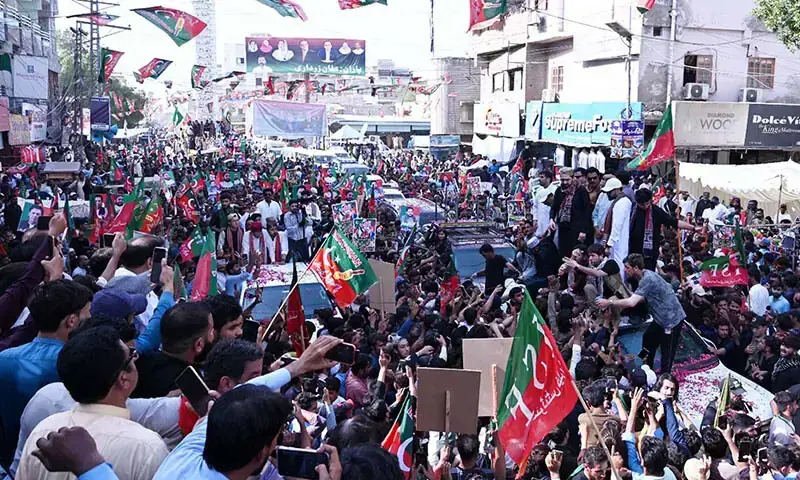
Pakistan Tehreek-e-Insaf (PTI) officially commenced its long-delayed protest march from Khyber Pakhtunkhwa's Lakki Marwat district today, following the total collapse of backchannel negotiations between the federal government and the opposition. The political stalemate, centered around demands for the release of the party's jailed founder and former prime minister Imran Khan, has escalated regional and national tensions. Originally slated for August 27, the march was postponed to October 4 amid intense political maneuvering. The latest confrontation underscores the deep polarization characterizing Pakistan's political landscape, with federal ministers cautioning that ongoing unrest could paralyze state machinery.
Commercial & Economic Implications
For Kalyar Traders and the wider business community across Pakistan, renewed political turmoil spells immediate commercial disruption. Protracted protests and potential transport blockades threaten vital supply chains, particularly along major transit corridors linking Khyber Pakhtunkhwa with Punjab and federal capital markets. Wholesale distribution networks anticipate logistical bottlenecks, leading to inventory delays and localized price volatility for essential commodities. Furthermore, the persistent threat of political instability weighs heavily on investor sentiment, exacerbating inflationary pressures and dampening consumer confidence at a time when retail trade requires predictable macroeconomic stability.
Related Intelligence: US Arrests Spotlight Global Herbal Supplement Supply Chains and Regulatory Loopholes
Stakeholder Perspectives & Market Reactions
Business councils, trader associations, and industrial bodies have expressed deep concern over the unfolding confrontation. Representatives from major commercial hubs warn that highway closures and security lockdowns severely impair daily commerce, hurting small-to-medium enterprises and daily-wage earners. Meanwhile, federal authorities have signaled a zero-tolerance policy, with cabinet ministers warning that the Centre may resort to imposing governor's rule or a state of emergency in Khyber Pakhtunkhwa, citing deteriorating security dynamics. Legal experts note that such drastic administrative measures would likely trigger protracted constitutional battles, further compounding national uncertainty.
Forward Outlook & Key Watchpoints
As the march advances toward its designated milestones, market watchers and corporate analysts are closely monitoring key indicators. Critical watchpoints include the government's containment strategies, the potential invocation of emergency powers in Khyber Pakhtunkhwa, and the security forces' response along major federal arteries. The duration and scale of the demonstrations will dictate the severity of supply chain disruptions and determine whether commercial activity can maintain resilience amid escalating political friction.
Join Our Official WhatsApp Channel
Receive live commodity alerts, policy changes, and commercial intelligence directly on WhatsApp.