
Global Diplomatic Shockwaves Erupt as Protests Target Israeli Leadership at United Nations
High-profile protests and diplomatic walkouts at the United Nations highlight escalating international friction over Israeli leadership, carrying profound implications for global trade and security.
Geopolitical & Core Developments
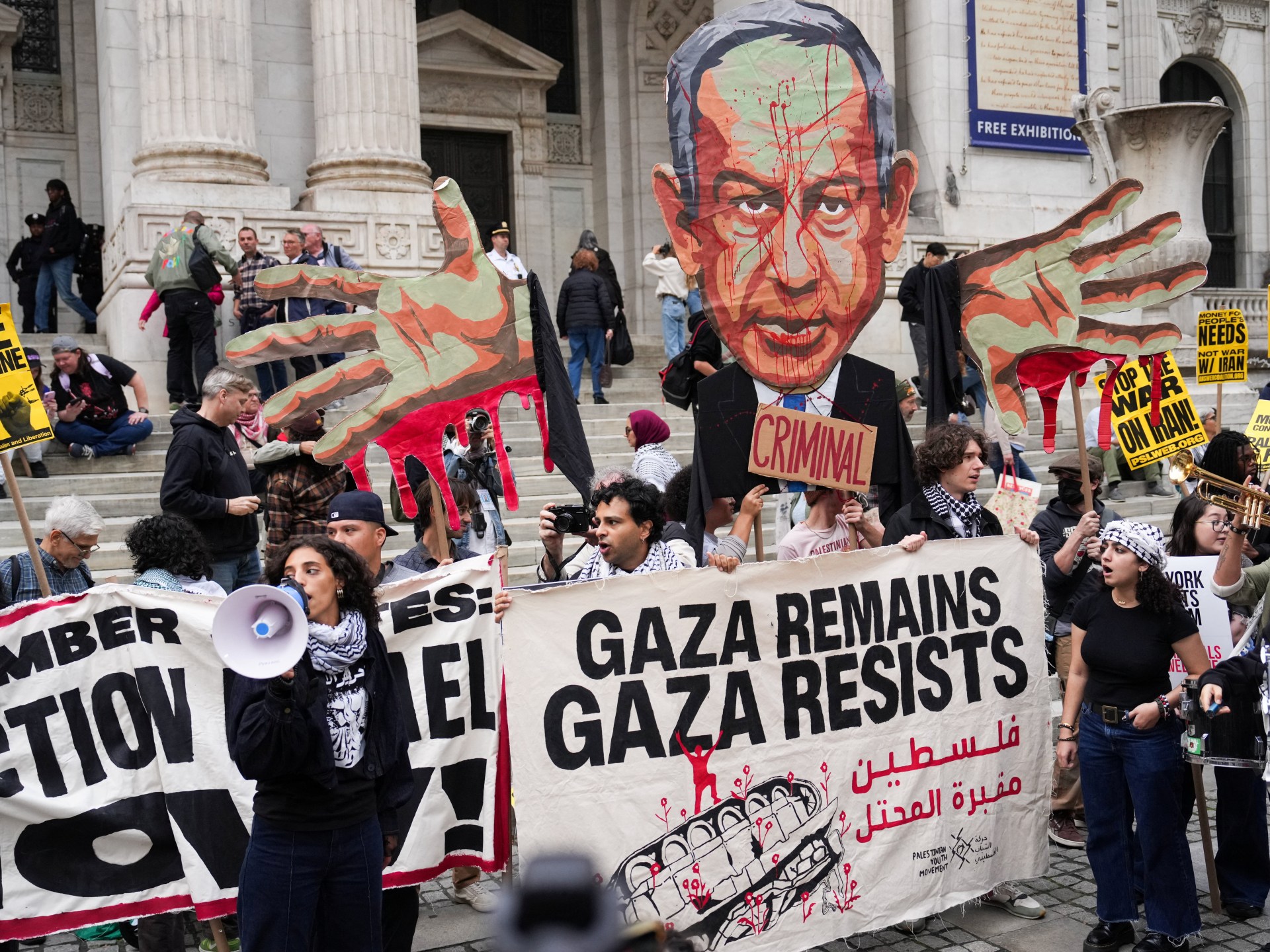
The recent high-profile arrests of prominent cultural figures, including acclaimed actress Susan Sarandon, by the New York City Police Department during demonstrations against Israeli Prime Minister Benjamin Netanyahu underscore a deepening global ideological divide. These protests outside the United Nations headquarters coincided with fierce diplomatic confrontations inside the General Assembly hall, where multiple international delegations staged coordinated walkouts as the Israeli leader took the podium. Rights organizations and civil society coalitions have sharply criticized the global body for hosting a figure they accuse of war crimes, ratcheting up pressure on multilateral institutions to take decisive stances on ongoing Middle Eastern conflicts. This convergence of street-level activism and high-level diplomatic friction highlights a persistent crisis of legitimacy for international frameworks designed to arbitrate global disputes, setting the stage for prolonged friction between Western allies and developing-world coalitions.
Global Trade & Economic Ripples
While the immediate protests remain centered on diplomatic and human rights concerns, the underlying geopolitical friction carries severe implications for global commodity markets, particularly energy supply chains and maritime logistics. The Middle East remains the heartbeat of global crude oil production and crucial transit chokepoints, including the Strait of Hormuz and the Suez Canal. Persistent escalation and widespread regional instability directly threaten maritime insurance premiums, bunker fuel costs, and freight rates across vital shipping lanes. International trade analysts warn that any widening of the conflict or sustained diplomatic boycotts could trigger immediate volatility in Brent crude benchmarks, driving up refining margins and compounding inflationary pressures across European and Asian economies heavily reliant on imported hydrocarbons.
Related Intelligence: New York Protests Target Netanyahu UN Visit Amid Middle East Escalation
International Reactions & Diplomatic Stances
The bifurcated international reaction to the developments at the United Nations reflects profound fissures within the global diplomatic architecture. Western capitals continue to reiterate their staunch commitment to Israel's security while calling for humanitarian restraint, yet developing nations across the Global South have increasingly aligned with the platform of Palestinian solidarity. Multilateral bodies find themselves caught in an untenable crossfire, struggling to maintain neutrality while facing intense pressure from member states demanding accountability and adherence to international humanitarian law. Market analysts note that this widening diplomatic chasm reduces the predictability required for long-term foreign direct investment, as sovereign risk assessments across the broader Middle East and North Africa region are aggressively downgraded by major rating agencies.
Strategic Outlook & Future Scenarios
Looking ahead, the trajectory of this geopolitical crisis points toward heightened volatility leading into upcoming international summits and General Assembly sessions. The hardening of diplomatic positions makes negotiated settlements increasingly difficult to achieve in the near term, raising the probability of targeted unilateral sanctions, secondary trade restrictions, and retaliatory cyber operations. Strategic planners across multinational corporations and sovereign wealth funds are actively reassessing their exposure to geopolitical risk, pivoting toward defensive hedging strategies in energy procurement and supply chain diversification. As street protests continue to galvanize public opinion in major Western financial capitals, governments will face mounting domestic pressure to either intervene more forcefully in peace negotiations or risk severe economic disruptions stemming from unmitigated regional escalation.
Join Our Official WhatsApp Channel
Receive live commodity alerts, policy changes, and commercial intelligence directly on WhatsApp.