
Abbey Attack in Poland Shakes Regional Security and Cross-Border Relations
A fatal stabbing at a Polish abbey involving a Ukrainian suspect has triggered intense regional scrutiny, testing bilateral diplomatic ties and local security frameworks.
Geopolitical & Core Developments
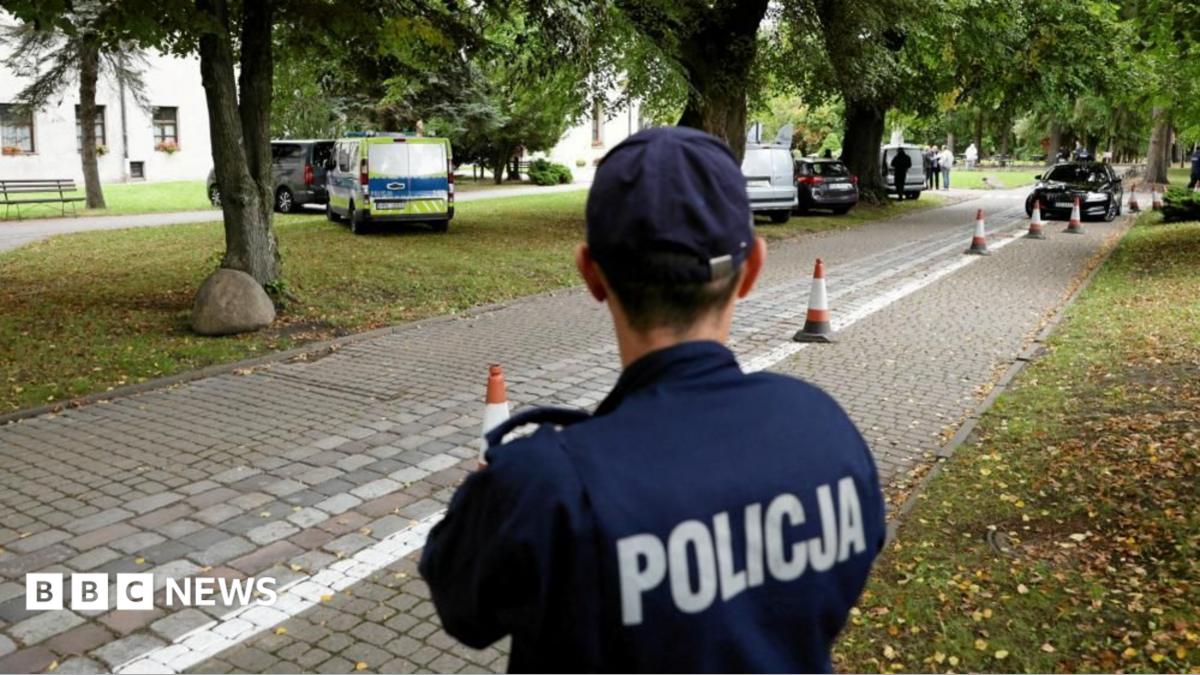
A violent incident at a historic abbey in the southeastern Polish town of Jaroslaw has sent shockwaves through regional diplomatic channels. Local law enforcement confirmed that a male suspect of Ukrainian nationality was arrested swiftly following a knife attack that left one clergyman dead and four others seriously injured. The assault, which occurred in a place of sanctuary, has immediately drawn the attention of national security agencies, interior ministries, and foreign policy observers across Central and Eastern Europe.
Poland has served as a primary strategic hub, humanitarian corridor, and diplomatic ally for Ukraine since the outbreak of the broader geopolitical conflict in 2022. Millions of displaced persons have crossed the border, creating deeply integrated social, economic, and logistical networks. However, isolated criminal acts involving foreign nationals frequently threaten to strain public sentiment and provide fertile ground for nationalist political factions. State actors in Warsaw are navigating a delicate diplomatic tightrope, ensuring that a criminal matter is addressed through rigorous judicial channels without catalyzing xenophobic backlashes or undermining the broader framework of bilateral cooperation.
Global Trade & Economic Ripples
While the tragic event is fundamentally a criminal and security matter rather than an economic shock, geopolitical incidents involving cross-border demographics carry subtle weight in European commodity and labor markets. Poland remains a critical logistics backbone for Central European trade, agricultural exports, and industrial manufacturing supply chains. Any escalation in border friction, heightened security checks at transit hubs, or political pressure regarding labor mobility could introduce localized friction into cross-border logistics.
Global commodity markets, particularly European agricultural transport and industrial freight forwarding through the Via Carpatia corridor, continue to monitor regulatory and administrative posture. While currency valuations—specifically the Polish Zloty and the Ukrainian Hryvnia—have remained stable following the incident, sustained political rhetoric can influence investor sentiment regarding regional stability. Commercial insurers and corporate supply chain managers utilize such events to recalibrate risk assessments for personnel operating in border regions, reinforcing the nexus between public security and predictable economic corridors.
Related Intelligence: Ethiopian Conflict Escalation Threatens Horn of Africa Stability and Trade
International Reactions & Diplomatic Stances
Official responses from Warsaw and Kyiv have been swift, measured, and focused on institutional cooperation. Polish interior ministry officials emphasized that the rule of law will govern the prosecution of the suspect, explicitly urging the public to separate individual criminal behavior from broader geopolitical demographics. Meanwhile, diplomatic representatives from Ukraine expressed profound sorrow and condemnation of the violence, offering full cooperation from law enforcement agencies to assist in the comprehensive investigation.
Multilateral monitors and human rights organizations have noted the importance of maintaining social cohesion in frontline states hosting large refugee populations. Analysts from international security think tanks point out that sensationalized media framing poses the primary risk, potentially pressuring policymakers to implement reactionary border controls that could disrupt the smooth flow of commercial goods and humanitarian aid.
Strategic Outlook & Future Scenarios
As the investigation proceeds through the Polish judicial system, the incident will likely feature in upcoming security briefings and bilateral diplomatic summits between Warsaw and Kyiv. The primary strategic imperative for both governments is containment: ensuring that a localized tragedy does not weaponize political narratives or compromise the robust security architecture underpinning Eastern European defense and trade alliances.
Future scenarios hinge on the transparency and speed of the judicial proceedings. If managed with institutional rigor, the event will be categorized strictly as a criminal anomaly, preserving the integrity of bilateral labor and trade agreements. However, failure by political leaders to manage public discourse effectively could lead to heightened administrative hurdles for cross-border travelers and temporary workers, adding friction to an already complex geopolitical landscape.
Join Our Official WhatsApp Channel
Receive live commodity alerts, policy changes, and commercial intelligence directly on WhatsApp.