
New York Protests Target Netanyahu UN Visit Amid Middle East Escalation
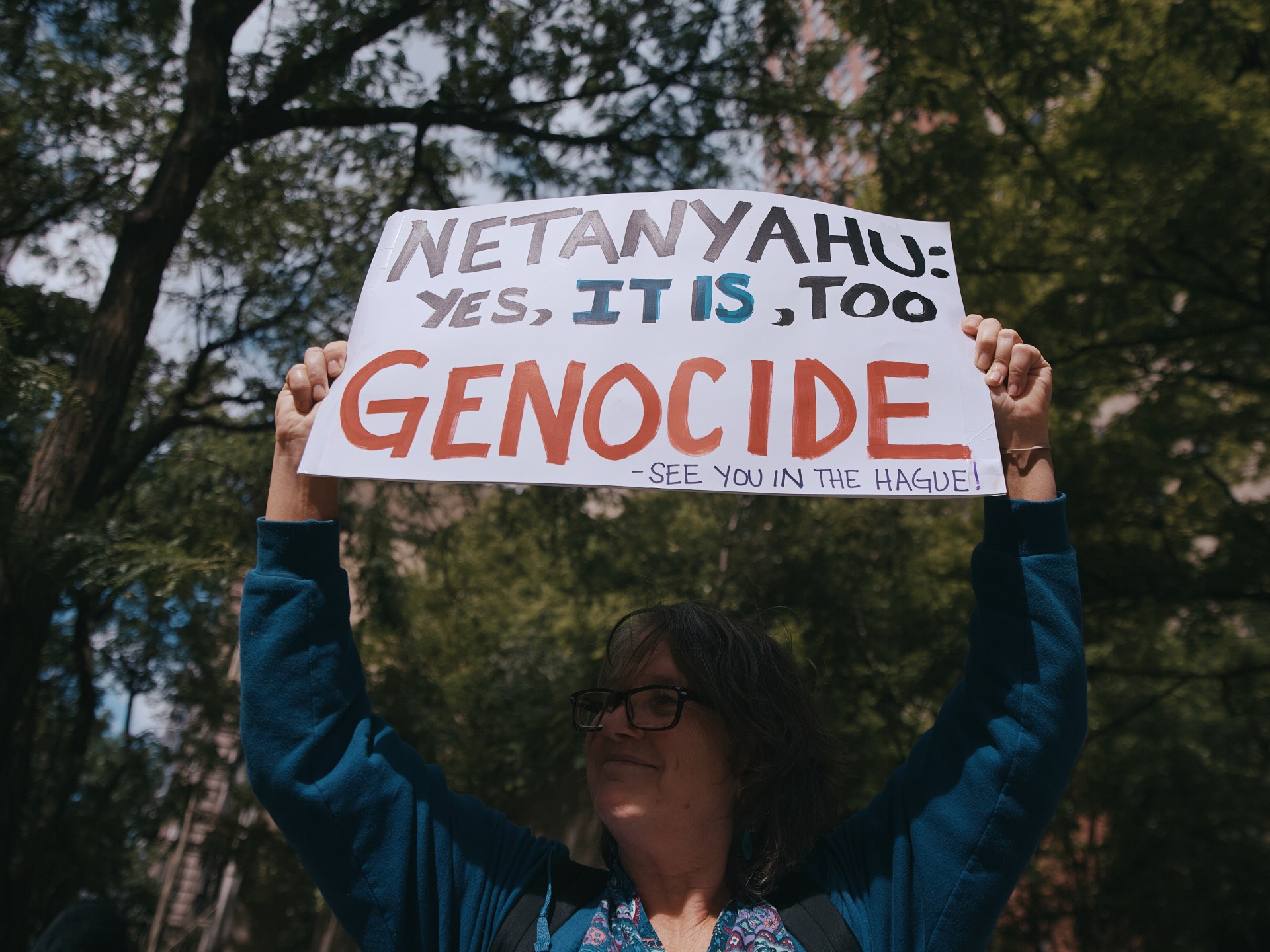
More than 100 demonstrators were arrested in New York as protests coincided with Israeli Prime Minister Benjamin Netanyahu's UN General Assembly address, sending ripples through international diplomatic and commodity markets.
Geopolitical & Core Developments
The annual high-level general debate of the United Nations General Assembly in New York transformed into a focal point for intense civil disobedience and geopolitical friction as Israeli Prime Minister Benjamin Netanyahu addressed world leaders. More than 100 demonstrators were taken into police custody following coordinated protests that paralyzed critical Manhattan thoroughfares and surged toward United Nations headquarters. The mobilization brought together a diverse coalition of human rights advocates, labor organizations, and diaspora groups demanding an immediate cessation of military hostilities in the Middle East and protesting international diplomatic impunity.
The demonstrations underscore a deepening chasm between grassroots international opinion and official state delegations gathered at Turtle Bay. Security cordons spanned multiple city blocks, causing severe commuter delays and forcing municipal law enforcement to deploy high-readiness tactical units. While inside the General Assembly hall, diplomatic walkouts and sharp verbal exchanges highlighted the acute polarization characterizing contemporary multilateralism. The protests in New York are symptomatic of a broader transnational phenomenon where domestic streets become extensions of geopolitical battlegrounds, directly challenging the security parameters of major global financial capitals.
Global Trade & Economic Ripples
While the immediate theater of protest was confined to the streets of Manhattan, the underlying geopolitical tensions exert a profound influence on global commodity markets and commercial shipping lanes. International energy traders are closely monitoring developments in the eastern Mediterranean and the Bab el-Mandeb strait, where ongoing security anxieties threaten maritime logistics and oil tanker routes. Any escalation in regional hostilities risks triggering immediate volatility in Brent crude benchmarks, liquefied natural gas (LNG) spot pricing, and marine insurance premiums.
Furthermore, prolonged civil unrest in major Western financial centers introduces latent operational risks for multinational corporations managing global supply chains. Institutional investors are factoring persistent geopolitical instability into asset valuations, driving safe-haven flows toward the US dollar and sovereign gold reserves. Freight forwarders navigating trans-oceanic routes continue to factor in potential disruptions arising from retaliatory state actions or cyber threats targeting critical trade infrastructure, ensuring that the commercial fallout of Middle Eastern diplomacy reaches corporate boardrooms across Europe, Asia, and the Americas.
Related Intelligence: Global Markets and Security Brace as Mass Papal Visit Paralyzes Paris
International Reactions & Diplomatic Stances
The events in New York and the broader discourse within the United Nations have elicited varied responses from global capitals and multilateral bodies. United Nations Secretary-General officials reiterated calls for absolute adherence to international humanitarian law and the protection of civilian infrastructure, emphasizing that diplomatic dialogue remains the sole viable pathway to regional stability. Concurrently, representatives from various Global South nations voiced sharp critiques regarding perceived double standards in the enforcement of international resolutions.
Market analysts and geopolitical risk consultancies note that Western governments find themselves navigating a delicate balancing act between maintaining strategic alliances and addressing domestic political constituencies increasingly mobilized by the crisis. Regional powers in the Middle East have issued contrasting communiques, with several Gulf Cooperation Council states advocating for immediate de-escalation frameworks to safeguard regional economic diversification projects, while other actors signal hardened diplomatic postures.
Strategic Outlook & Future Scenarios
As the diplomatic cycle at the United Nations concludes, the trajectory of international markets and geopolitical stability hinges on several critical junctures. Upcoming international summits, including forthcoming ministerial meetings on Middle Eastern security and scheduled OPEC+ energy policy reviews, will serve as primary barometers for future risk assessment. Should diplomatic breakthroughs fail to materialize, analysts anticipate a hardening of economic sanctions, increased defensive posture investments, and sustained volatility in international freight and energy pricing.
For global traders and institutional strategists, the imperative moving forward is the implementation of robust contingency frameworks capable of absorbing sudden geopolitical shocks. The intersection of domestic civil unrest in major economic hubs and protracted international conflicts signals a complex operating environment for the remainder of the fiscal year, demanding constant vigilance across diplomatic, commercial, and security dimensions.
Join Our Official WhatsApp Channel
Receive live commodity alerts, policy changes, and commercial intelligence directly on WhatsApp.