
PTI Divided on Islamabad March as State Secures Capital
Pakistan Tehreek-e-Insaf faces internal divisions regarding its planned Islamabad protest march while the government deploys security forces across the capital and Punjab.
The Core Development
Pakistan Tehreek-e-Insaf (PTI) has displayed internal discord regarding its impending protest march toward Islamabad, with contrasting statements emerging from senior party figures. Advocate Naeem Haider Panjutha suggested on Thursday that the high-stakes political demonstration could be deferred if the federal administration meets specific preconditions. These demands encompass scheduling snap elections within a six-to-eight-month timeframe, securing the release of founding chairman Imran Khan alongside other political detainees, and instituting transparent judicial probes into the crackdowns of May 9 and November 26.
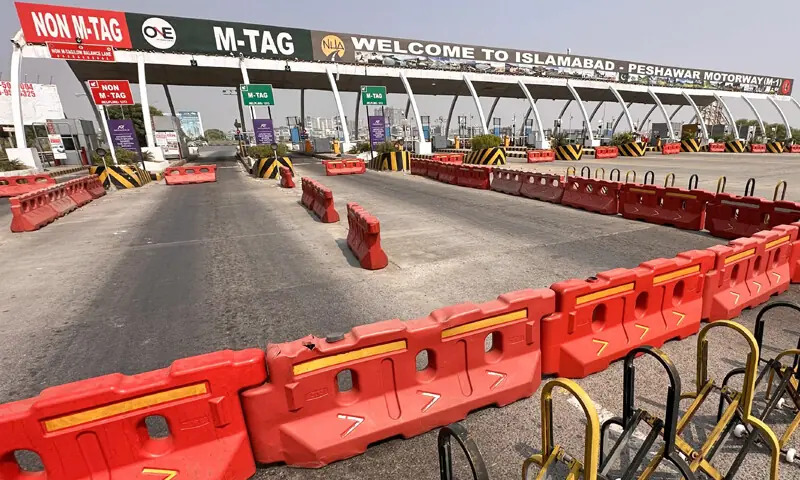
Despite Panjutha's overtures, official party spokespersons swiftly countered the narrative, insisting that no such proposal is under formal discussion within the central leadership. The party apparatus maintained that only Imran Khan holds the ultimate authority to postpone or alter protest trajectories from his confinement. Meanwhile, federal and provincial authorities have responded with robust defensive measures, deploying Pakistan Rangers and elite law enforcement units across Islamabad and multiple strategic districts in Punjab to forestall potential civil unrest and secure critical infrastructure.
Commercial & Economic Implications
Political volatility and intense confrontations in the federal capital consistently trigger immediate adverse shocks to Pakistan's commercial ecosystem. Major urban centers, particularly Lahore, Rawalpindi, and Islamabad, experience severe disruptions in wholesale distribution networks and retail trade whenever major blockades or security lockdowns are enforced. Containerization of roads and stringent perimeter controls severely impair supply chains, halting the seamless transit of perishable goods, raw materials, and manufactured items.
For the broader economy, such disruptions exacerbate inflationary pressures by inflating transportation costs and delaying commercial freight. Small and medium enterprises, which form the backbone of urban commerce, suffer immediate revenue losses due to reduced foot traffic and forced market closures. Furthermore, heightened political uncertainty undermines investor confidence at a delicate juncture, dampening capital market sentiment and complicating ongoing economic stabilization efforts under international financial frameworks.
Related Intelligence: Ethiopian Conflict Escalation Threatens Horn of Africa Stability and Trade
Stakeholder Perspectives & Market Reactions
Business councils, trade associations, and industrial federations have expressed deep dismay over the recurring cycle of political agitation and state countermeasures. Representatives from leading chambers of commerce have repeatedly appealed to both the ruling coalition and opposition factions to prioritize economic continuity over confrontation. Commercial leaders emphasize that prolonged street agitation paralyzes industrial output and undermines foreign direct investment prospects.
Legal experts and constitutional analysts have meanwhile scrutinized the legality of sweeping preventative detentions and the heavy deployment of paramilitary forces. Civil society organizations have raised concerns regarding the curtailment of fundamental freedoms of movement and assembly. Conversely, government representatives defend the security deployments as a proportionate and necessary measure to maintain public order, protect state assets, and prevent economic paralysis caused by violent disruptions.
Forward Outlook & Key Watchpoints
As the standoff intensifies, market watchers and political analysts are closely monitoring several critical indicators over the coming days. The primary focal point remains the final decision of the PTI leadership regarding the execution of the march, alongside any last-minute backchannel negotiations that might yield a compromise on election timelines or prisoner releases.
Concurrently, the degree of enforcement by security agencies in Islamabad and Punjab will dictate the immediate security landscape. Stakeholders across the commercial sector will be assessing transport routes, container placements, and market access points to mitigate financial exposure. Ultimately, the resolution or escalation of this political crisis will set the tone for commercial stability and investor sentiment heading into the next fiscal quarters.
Join Our Official WhatsApp Channel
Receive live commodity alerts, policy changes, and commercial intelligence directly on WhatsApp.