
Global Markets and Security Brace as Mass Papal Visit Paralyzes Paris
As hundreds of thousands descend on Paris for a landmark papal mass, international markets and logistical networks prepare for severe regional commercial disruptions and heightened security outlays.
Geopolitical & Core Developments
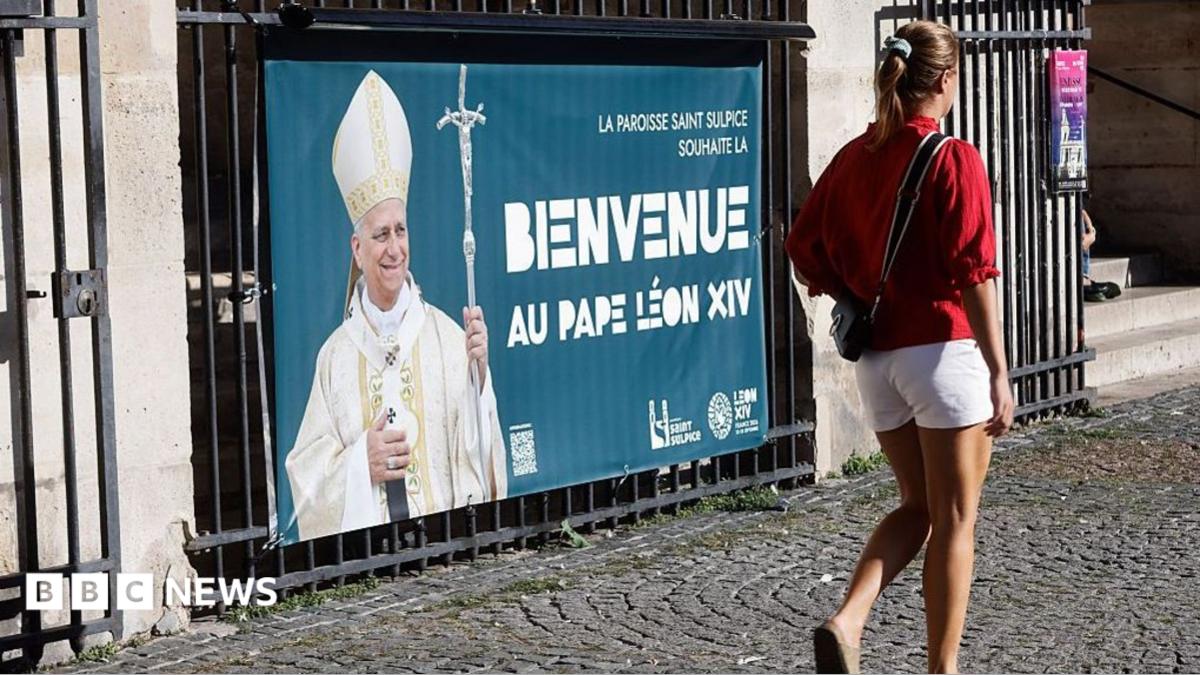
The French capital is bracing for one of the largest security and logistical mobilizations in its recent history as hundreds of thousands of pilgrims, foreign dignitaries, and international observers converge on Paris for a landmark pastoral visit by the Vatican. The highpoint of the itinerary—a massive open-air Mass projected to draw upwards of half a million attendees—requires an unprecedented coordination between the French Ministry of the Interior, municipal authorities, and Holy See security details. State actors across Europe are closely monitoring the event, which carries significant diplomatic weight amidst a tense geopolitical backdrop marked by heightened cross-border security alerts and urban vulnerability.
From a strategic standpoint, the French government views the massive gathering as both a diplomatic opportunity and a formidable stress test for its national security apparatus. Intelligence sharing among European Union member states has been intensified to mitigate potential asymmetric threats. The timeline of the visit demands stringent perimeter controls, temporary airspace restrictions over northern France, and the deployment of tens of thousands of police, gendarmerie, and military personnel. While framed primarily as a religious pilgrimage, the convergence of high-ranking international delegations transforms the capital into a temporary hub of quiet bilateral diplomacy, where European leaders are expected to address pressing continental stability concerns on the sidelines of the official itinerary.
Global Trade & Economic Ripples
While the primary driver of the gathering is spiritual, the commercial and economic reverberations across the Greater Paris region will be immediate and profound. Major urban centers function as critical nodes in global and regional supply chains; consequently, widespread road closures, transit diversions, and pedestrian zones will temporarily paralyze last-mile delivery networks and urban freight distribution. Commercial fleet operators face severe routing delays, driving up localized fuel consumption and logistics overheads for retail and hospitality sectors operating within the metropolitan core.
Beyond immediate logistical friction, the influx of half a million visitors exerts a complex dual pressure on global commodity and service markets. While local hospitality, catering, and tourism sectors anticipate a temporary revenue surge, broader industrial and commercial productivity in central Paris will experience a marked contraction during the peak days of the event. Furthermore, increased public spending on security infrastructure, municipal crowd-management systems, and emergency medical services places a temporary fiscal burden on regional authorities, echoing through broader European sovereign debt considerations and regional currency valuations as foreign exchange markets weigh the economic drag of suspended commercial activity against localized consumer spending spikes.
Related Intelligence: Karachi Imposes Section 144 Ban on Gatherings Amid Security Alerts
International Reactions & Diplomatic Stances
Multilateral bodies and international market analysts have issued mixed assessments regarding the economic and security fallout of the mass gathering. Representatives from the United Nations Educational, Scientific and Cultural Organization, headquartered in Paris, have acknowledged the cultural significance of the pilgrimage while coordinating closely with municipal authorities to safeguard urban heritage sites. Meanwhile, European financial institutions and trade associations have advised multinational corporations with headquarters in Paris to implement contingency work-from-home protocols to maintain business continuity amidst projected public transit gridlock.
Global trade analysts note that while large-scale public events rarely induce permanent macroeconomic shifts, they serve as critical indicators of urban resilience. Insurance and risk-assessment firms have elevated their advisory ratings for the Île-de-France region, prompting logistics providers to reroute international freight shipments around the Parisian ring road to bypass anticipated bottlenecks. Diplomatic missions from key trade partners have issued travel advisories, inadvertently tempering foreign business travel to the French capital during the diplomatic window.
Strategic Outlook & Future Scenarios
Looking ahead, the successful execution of the Paris papal visit will serve as a vital operational benchmark for upcoming mega-events hosted in Europe, including major international sporting fixtures and global climate summits. Security planners will meticulously analyze the deployment efficacy of advanced surveillance technologies, crowd-flow algorithms, and emergency response frameworks utilized during the mass. Any logistical friction or security vulnerabilities identified during the event will likely prompt immediate policy revisions across EU member states aiming to harden critical urban infrastructure against disruptions.
For international markets, the event underscores the persistent vulnerability of major European metropolitan nodes to localized immobilization. As supply chain resilience becomes an increasingly critical metric for global trade stability, multinational enterprises are expected to accelerate decentralization strategies, ensuring that regional hub disruptions in cities like Paris no longer cascade into broader continental commercial paralysis. The coming weeks will reveal the true fiscal and logistical cost of hosting a gathering of this magnitude, providing invaluable data for future global risk forecasting.
Join Our Official WhatsApp Channel
Receive live commodity alerts, policy changes, and commercial intelligence directly on WhatsApp.