
Trump and Xi Seek Trade Stability Amid Deep Strategic Divides
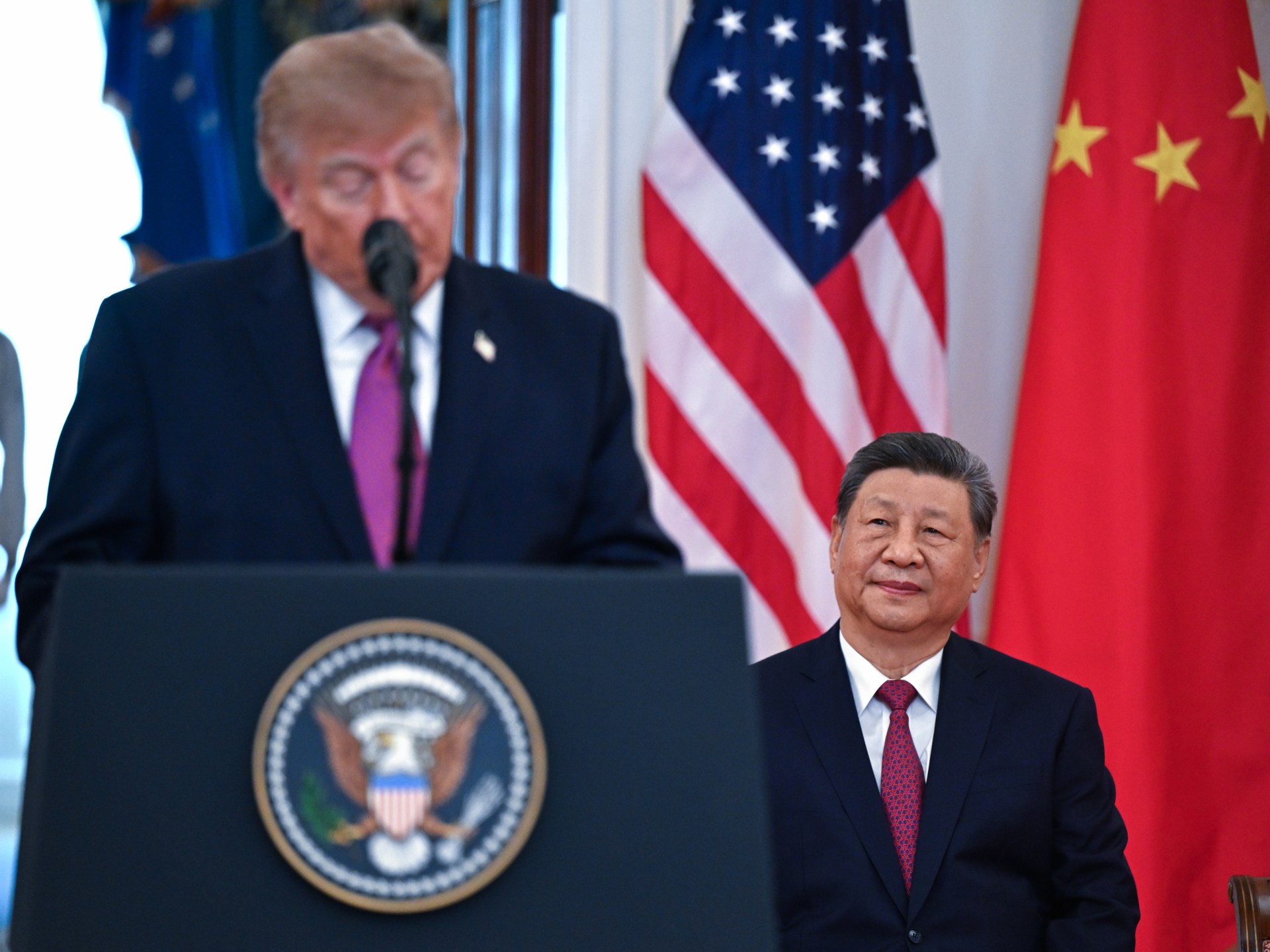
Presidents Trump and Xi met at the White House to stabilize US-China relations, though deep divisions persist over trade, Taiwan, and Iran.
Geopolitical & Core Developments
In a high-stakes diplomatic engagement at the White House, United States President Donald Trump and Chinese President Xi Jinping convened to address the widening strategic chasm between the world's two largest economies. The summit, heavily anticipated by international observers and capital markets alike, aimed to establish a predictable baseline for bilateral relations that have grown increasingly fractious. While both leaders expressed a mutual desire to avoid outright economic conflict and maintain open channels of communication, the talks underscored the intractability of core geopolitical disagreements. Central to the discussions were longstanding disputes over territorial sovereignty, particularly regarding Taiwan, where Beijing maintains an uncompromising stance. Furthermore, divergent approaches to Middle Eastern security, specifically concerning Iran and its regional proxies, highlighted the fundamental friction points governing contemporary superpower competition. Despite exhaustive preparatory diplomatic maneuvers, the encounter yielded few structural breakthroughs on foundational security architectures, leaving both nations locked in a complex posture of strategic deterrence.
Global Trade & Economic Ripples
The outcome of the Washington summit carries profound implications for global trade flows, commodity pricing, and industrial supply chains. International commodity markets, which have experienced severe volatility amid escalating trade restrictions and technological decoupling, reacted to the meeting with cautious neutrality. While the commitment to sustain high-level dialogue provides a temporary floor against the immediate escalation of tariffs, industrial metals, energy futures, and agricultural commodities remain highly sensitive to underlying policy uncertainties. Global shipping lanes and maritime logistics networks continue to price in potential regulatory bifurcations, forcing multinational corporations to diversify manufacturing hubs across Southeast Asia and Latin America. Currency markets reflected a similar tension, with the US dollar and the Chinese yuan stabilizing marginally as investors recalibrated portfolios to account for a protracted period of managed economic rivalry rather than sudden protectionist shocks.
Related Intelligence: Iran Seeks US Return to Nuclear Framework Ahead of Midterms
International Reactions & Diplomatic Stances
Multilateral institutions and international financial bodies monitored the summit closely, offering measured assessments of its broader systemic impact. The United Nations and allied economic organizations emphasized that peaceful coexistence and commercial stability between Washington and Beijing are indispensable for global macroeconomic recovery and climate action initiatives. European capitals welcomed the de-escalation of direct rhetorical hostilities, viewing the White House meeting as a necessary step to prevent disruptive supply chain fragmentation. However, market analysts and geopolitical risk consultancies remained skeptical regarding the long-term durability of the verbal truces. Analysts noted that without binding institutional frameworks or verifiable enforcement mechanisms, commercial operators must continue navigating a volatile regulatory landscape characterized by export controls, sanctions, and strategic industrial subsidies.
Strategic Outlook & Future Scenarios
Looking ahead, the trajectory of US-China relations will depend heavily on domestic political pressures and upcoming international summits. Both administrations face domestic imperatives that often reward hardline postures, complicating the implementation of any informal understandings reached behind closed doors. Potential flashpoints remain acute in the South China Sea, high-technology sectors such as semiconductor manufacturing, and monetary policy coordination. As supply chains undergo permanent structural realignment, the global economy must adapt to a permanent paradigm of managed competition. Policymakers and institutional investors will closely scrutinize upcoming bilateral working groups and ministerial meetings for concrete evidence of cooperation on global public goods, or conversely, signs of renewed escalation that could trigger broader economic dislocation.
Join Our Official WhatsApp Channel
Receive live commodity alerts, policy changes, and commercial intelligence directly on WhatsApp.