
Karachi Imposes Section 144 Ban on Gatherings Amid Security Alerts
Authorities in Karachi have enforced Section 144 through September 30, banning gatherings of over five people to curb traffic disruptions and security risks.
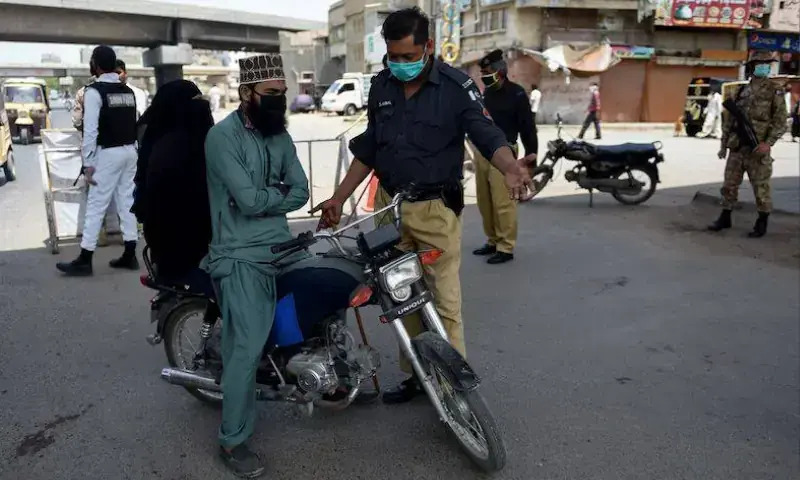
The Core Development
In a sweeping administrative move, authorities in Karachi have imposed Section 144 across the metropolis, enacting a strict ban on gatherings of more than five people through September 30. The directive, formally issued via an official order by Karachi Commissioner Hassan Naqvi on September 24, follows urgent security assessments and formal correspondence from local law enforcement agencies.
The administrative notification underscores mounting concerns over escalating street agitation. According to official documents, recent weeks have witnessed a surge in protests, demonstrations, sit-ins, and rallies staged across major thoroughfares, critical junctions, and high-traffic roundabouts. These unannounced assemblies have triggered severe traffic gridlock, paralyzed commuter transit, and raised critical security alarms.
Law enforcement briefings cited in the notification emphasized that persistent road blockages severely impede the swift response times of emergency services, including ambulances and fire rescue units, while restricting vital public access to major medical facilities. Consequently, the provincial administration deemed emergency preventative measures imperative to maintain public order and safeguard civic mobility.
Commercial & Economic Implications
The imposition of Section 144 carries profound ramifications for Karachi's vibrant commercial ecosystem, serving as the financial heartbeat of Pakistan. Wholesale markets, retail hubs, and supply chain networks face renewed vulnerability as movement restrictions threaten the seamless flow of goods from port facilities to interior markets.
Major commercial districts, including Saddar, Jodia Bazaar, and Tariq Road, rely heavily on uninterrupted logistical corridors for daily inventory replenishment. Disruptions caused by heightened security enforcement and preemptive route closures threaten to slow down wholesale distribution, potentially straining retail pricing mechanisms and aggravating inflationary pressures on essential commodities.
Furthermore, retail traders operating in high-density commercial zones express apprehension over footfall reductions during peak business hours. Any prolonged suppression of public mobility invariably dampens consumer spending, affecting daily turnover for small and medium enterprises already navigating a challenging macroeconomic landscape characterized by high energy costs and tight monetary policy.
Related Intelligence: Ethiopian Conflict Escalation Threatens Horn of Africa Stability and Trade
Stakeholder Perspectives & Market Reactions
Business associations and trade bodies have expressed cautious concern regarding the blanket nature of the restrictions. Representatives from various chambers of commerce noted that while maintaining public order and security remains paramount for economic continuity, administrative measures must carefully balance security imperatives with the operational freedom necessary for commercial enterprise.
Legal experts point out that while Section 144 is a recognized statutory tool for preempting public disorder under the Code of Criminal Procedure, its extensive application requires transparent judicial oversight to prevent potential overreach. Civil society organizations and trade unions have similarly emphasized the importance of preserving democratic avenues for grievance redressal without compromising economic stability.
Official quarters maintain that the restrictions are strictly regulatory rather than punitive, designed exclusively to mitigate urban friction and protect public infrastructure during a sensitive security window.
Forward Outlook & Key Watchpoints
As Karachi navigates the enforcement window leading up to September 30, market participants and logistics operators will closely monitor implementation rigor on the ground. Key indicators to watch include the responsiveness of traffic management authorities, the flexibility granted to commercial transport vehicles, and the potential for an extension of the prohibitory orders beyond the current deadline.
Businesses are advised to maintain agile supply chain contingencies and monitor real-time traffic advisories to mitigate localized transit delays. The ultimate success of these administrative measures will hinge on effective coordination between law enforcement agencies and commercial stakeholders to ensure public safety without stifling economic momentum.
Join Our Official WhatsApp Channel
Receive live commodity alerts, policy changes, and commercial intelligence directly on WhatsApp.