
Lake Tanganyika Disaster Exposes Central African Transit Crisis
A fatal shipwreck on Lake Tanganyika claims at least 41 lives, intensifying scrutiny over Central Africa's perilous inland maritime transit networks and regulatory oversight.
Geopolitical & Core Developments
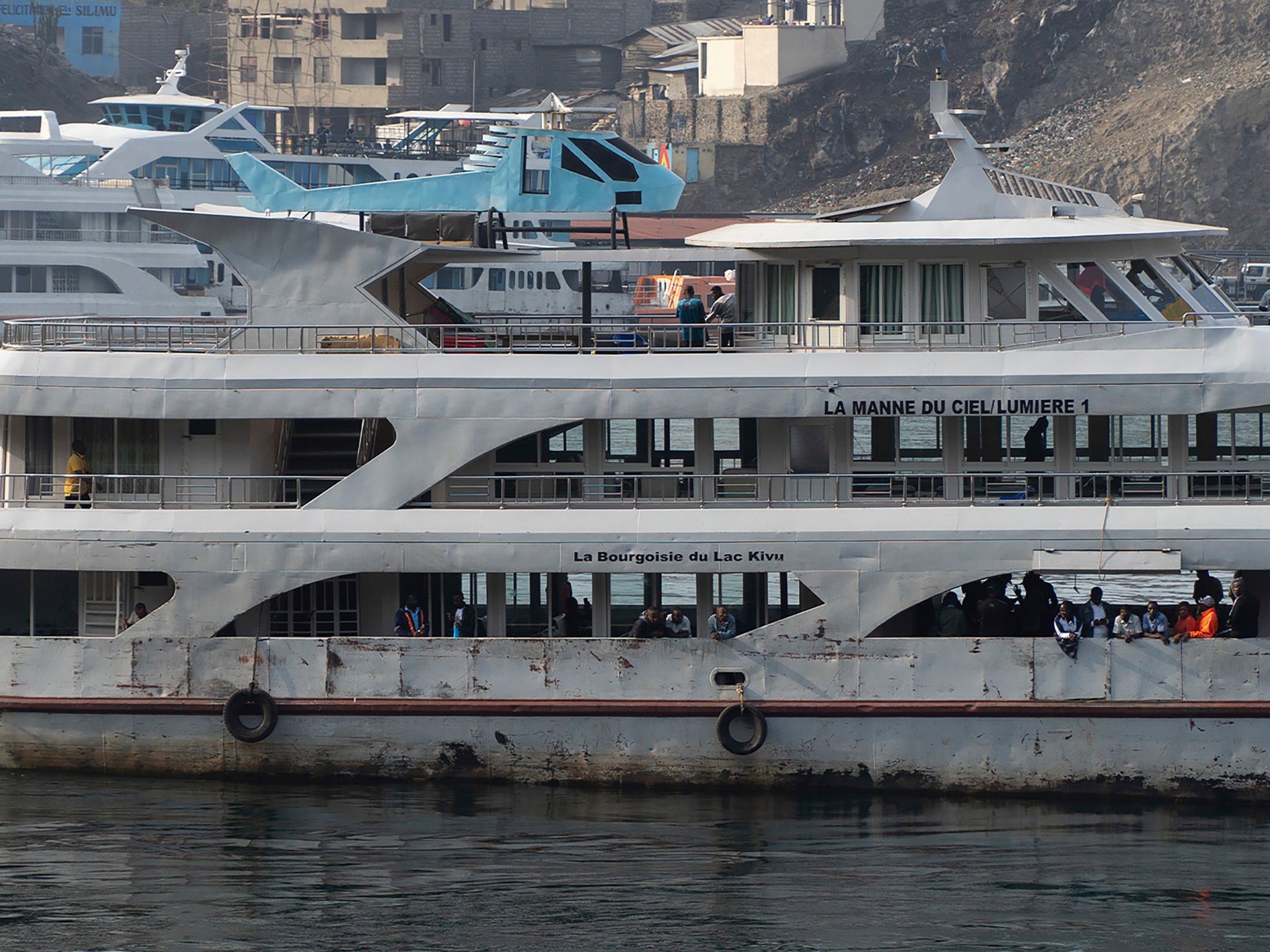
A maritime disaster on Lake Tanganyika has claimed the lives of at least 41 individuals, with rescue operations ongoing for dozens of still-missing passengers. The vessel, carrying an unverified manifest of travelers navigating the volatile waters between the Democratic Republic of Congo (DRC) and neighboring riparian states, capsized amid adverse weather conditions and acute overcrowding. Local authorities and provincial emergency services confirmed that 49 passengers were successfully pulled from the lake, yet the lack of precise passenger manifests continues to hinder accurate casualty estimates.
This catastrophe lays bare the persistent structural vulnerabilities characterizing transportation infrastructure across the Great Lakes region. Lake Tanganyika serves as a vital transnational artery, yet navigation remains heavily constrained by outdated vessels, systemic corruption in port safety compliance, and the absence of modern meteorological early-warning systems. State actors in the region, including the DRC, Burundi, Tanzania, and Zambia, have historically struggled to enforce unified maritime safety protocols across shared aquatic borders, leaving commercial and passenger transit exposed to recurring tragedies.
[Global Trade](/news/trump-invites-putin-miami-g20-geopolitical-economic-impact) & Economic Ripples
While Lake Tanganyika is primarily recognized for regional passenger transit and artisanal fishing, disruptions to its shipping lanes carry immediate economic consequences for local supply chains and cross-border commerce. The lake functions as an indispensable trade corridor connecting landlocked Central African economies with East African maritime outlets via ports such as Kigoma and Kalemie. Frequent maritime accidents directly impair the movement of agricultural commodities, manufactured goods, and critical raw materials, thereby exacerbating inflationary pressures in regional markets.
Furthermore, the recurrent loss of life and cargo on these inland waterways dampens investor confidence in logistics infrastructure development. International trade houses and regional merchants operating within the Common Market for Eastern and Southern Africa (COMESA) framework face increased freight and insurance premiums. These rising costs are a direct reflection of unmitigated transit risks, ultimately stifling intra-African trade expansion and hindering the objectives of the African Continental Free Trade Area (AfCFTA) regarding seamless cross-border mobility.
Related Intelligence: Abbey Attack in Poland Shakes Regional Security and Cross-Border Relations
International Reactions & Diplomatic Stances
In the wake of the disaster, regional governments and international organizations have expressed profound condolences while renewing calls for urgent regulatory reforms. Representatives from the United Nations Office for the Coordination of Humanitarian Affairs (OCHA) have mobilized local partners to support search-and-rescue efforts, emphasizing the critical need for enhanced humanitarian access and emergency response infrastructure along the lake's vast shoreline.
Bilateral diplomatic channels between Kinshasa and neighboring transit partners have increasingly focused on the imperative for coordinated infrastructure investments. Regional trade blocs are facing mounting pressure from international development partners to implement stringent vessel inspection standards, mandate GPS tracking and life-saving equipment, and curb systemic overloading. Analysts note that without binding multilateral agreements backed by external financial assistance, safety enforcement will remain sub-par.
Strategic Outlook & Future Scenarios
Looking ahead, the Lake Tanganyika tragedy is expected to catalyze renewed policy debates regarding infrastructure safety at upcoming regional economic summits. Governments within the Southern African Development Community (SADC) and the East African Community (EAC) must address the intersection of public safety and commercial efficiency to prevent further loss of life and economic disruption.
Failure to modernize inland waterways risks entrenching chronic supply chain bottlenecks, aggravating local poverty, and provoking localized social unrest. Conversely, targeted investments in port modernization, vessel safety compliance, and hydrographic surveying could transform Lake Tanganyika into a secure, high-capacity trade superhighway. This transition remains essential for unlocking the full commercial potential of the Great Lakes region while safeguarding human lives against systemic operational negligence.
Join Our Official WhatsApp Channel
Receive live commodity alerts, policy changes, and commercial intelligence directly on WhatsApp.