
French Political Turmoil Deepens as Student Demonstrations Trigger Economic Concerns
France faces escalating civil unrest as the government warns student demonstrations are being weaponized, threatening nationwide supply chains and broader eurozone economic stability ahead of pivotal elections.
Geopolitical & Core Developments
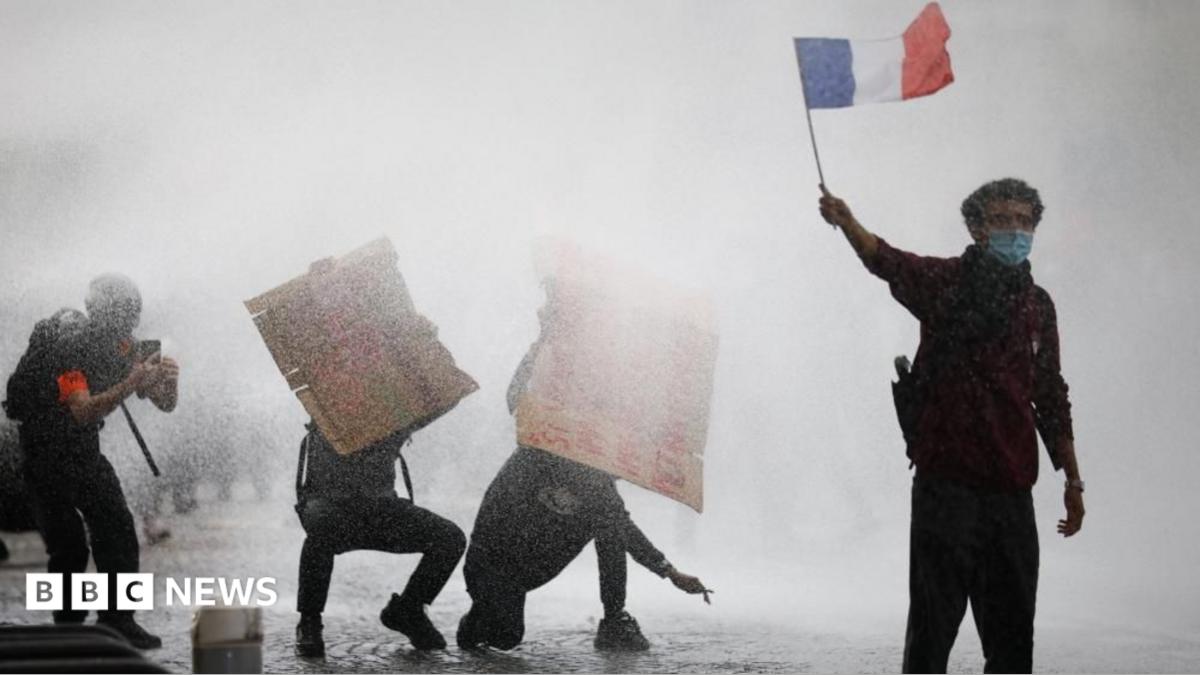
France has entered a renewed cycle of acute domestic instability as Prime Minister Gabriel Attal warned that student protests are being actively weaponized by political factions ahead of high-stakes electoral contests. The mobilization, which began across elite higher education institutes including Sciences Po and Sorbonne University, has rapidly broadened from international policy grievances to systemic domestic discontent over purchasing power, institutional reforms, and educational access.
Government ministers have condemned what they characterize as an orchestrated effort by radical left factions, notably La France Insoumise (LFI), to import divisive global geopolitical tensions into French civil discourse. Conversely, union organizers and opposition leaders accuse Emmanuel Macron's administration of utilizing heavy-handed policing and authoritarian rhetoric to delegitimize democratic assembly. The strategic stakes are unusually elevated: with European and upcoming national elections looming, the potential convergence of university youth movements with seasoned trade unions—specifically the General Confederation of Labour (CGT)—presents the Elysee Palace with its most formidable domestic challenge since the 2023 pension reform strikes.
[Global Trade](/news/us-midterm-voter-discontent-signals-global-trade-shifts) & Economic Ripples
While ostensibly focused on ideological and educational disputes, the spillover of widespread French unrest into critical industrial sectors introduces acute friction into European supply chains and transatlantic commerce. Historical precedents indicate that student-led mobilizations often act as catalysts for nationwide wildcat strikes across France's state-dominated transport networks, maritime ports, and energy infrastructure.
Refining operations operated by TotalEnergies and logistical arteries managed by the SNCF rail network face immediate disruption risks if industrial unions coordinate action with student blocs. Previous rounds of strike-induced refining halts severely constricted Northwest European diesel and aviation fuel supplies, driving regional crack spreads higher and necessitating emergency seaborne product flows from the United States and the Middle East. Furthermore, slowdowns at key maritime hubs such as the Port of Marseille-Fos and Le Havre risk aggravating existing maritime bottlenecks stemming from the Red Sea crisis, imposing further delays on containerized shipments between Asia and northern Europe. European bond markets have also priced in heightened political risk, reflected in slight widening margins between French OATs and German Bund benchmarks.
Related Intelligence: US Midterm Voter Discontent Signals Major Shifts for Global Trade Policy
International Reactions & Diplomatic Stances
International observers are tracking the situation closely, mindful of France's position as the European Union's sole nuclear-armed power and premier diplomatic voice. European Union partners in Berlin and Brussels have maintained a cautious silence regarding internal French policing decisions, but institutional officials privately express concern over the potential empowerment of populist and eurosceptic coalitions should the incumbent administration lose control of the domestic narrative.
Human rights organizations, including Amnesty International France, have issued formal reminders regarding the necessity of safeguarding non-violent assembly, urging interior authorities to de-escalate campus interdictions. Meanwhile, financial rating agencies have noted that recurrent socio-political paralysis threatens France's medium-term fiscal consolidation plans, following recent downgrades of French sovereign outlooks due to widening budgetary deficits and structural reform inertia.
Strategic Outlook & Future Scenarios
The trajectory of the crisis hinges upon whether trade unions successfully forge a cohesive united front with university assemblies. In a baseline scenario, targeted concessions by the Ministry of Higher Education may isolate student organizers, limiting disruptions to symbolic campus blockades and localized metropolitan rallies.
However, in a high-impact scenario, coordinated industrial walkouts targeting electrical generation, fuel distribution, and municipal services would precipitate severe macroeconomic drag, reducing second-quarter French GDP growth and exerting downward pressure on the single currency. Geopolitically, an embattled French leadership constrained by protracted street protests inevitably diminishes Paris's capacity to lead diplomatic initiatives within the G7 and NATO, leaving a leadership vacuum at a critical juncture for European continental security.
Join Our Official WhatsApp Channel
Receive live commodity alerts, policy changes, and commercial intelligence directly on WhatsApp.