
US Midterm Voter Discontent Signals Major Shifts for Global Trade Policy
Mounting voter frustration over persistent inflation and political leadership ahead of the US midterm elections points toward legislative realignments with major implications for global trade and foreign policy.
Geopolitical & Core Developments
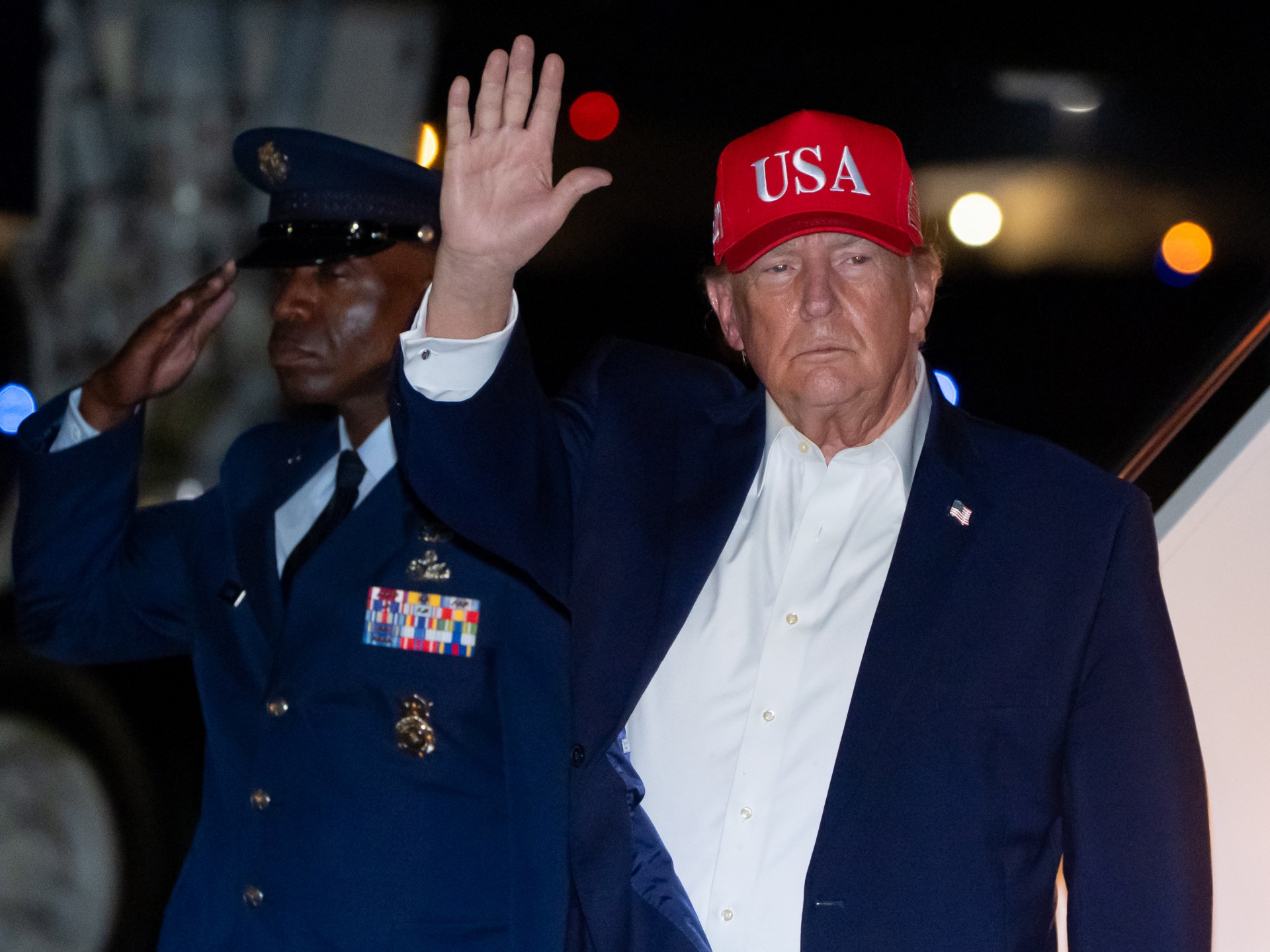
Public opinion polling across key American battleground states reveals severe voter disillusionment and persistent pocketbook anxieties, laying the groundwork for a volatile electoral landscape. Surveys indicate broad public fatigue with ongoing political polarization and acute dissatisfaction with macroeconomic management, particularly concerning household purchasing power and inflation. As voters prepare to cast ballots, former President Donald Trump's political influence and the broader platform of the Republican Party face significant headwinds from an electorate increasingly demanding systemic change and economic stability.
Historically, United States midterm elections serve as a pivotal referendum on domestic governance with immediate geopolitical consequences. The current polling trajectories suggest that political margins will remain razor-thin, carrying profound consequences for the legislative branch's ability to direct statutory oversight, foreign aid packages, and international economic commitments. With major foreign policy agendas heavily tethered to congressional appropriations, the emerging political fragmentation in Washington threatens to complicate international alliances, strategic defense authorizations, and multi-year trade negotiations.
Global Trade & Economic Ripples
For international markets, the domestic political recalibration in the United States carries direct implications across supply chains, energy networks, and foreign exchange corridors. US fiscal and regulatory frameworks determine the pace of international capital flows. Persistent consumer anxiety regarding food and fuel costs has forced policymakers to scrutinize cross-border supply networks, freight duties, and bilateral trade mechanisms that influence end-user pricing.
Global commodity pricing remains exceptionally sensitive to potential changes in US legislative oversight. A fractured or adversarial Congress often curtails the implementation of aggressive, unilateral tariff measures while simultaneously freezing domestic fossil fuel leasing reforms and clean energy subsidies. Consequently, crude oil benchmarks, liquefied natural gas export projects, and industrial metals markets are factoring in a period of potential administrative gridlock. Concurrently, foreign exchange markets are observing the trajectory of the US dollar, which faces headwinds if political uncertainty weakens institutional consensus surrounding fiscal discipline and debt-ceiling agreements.
Related Intelligence: Afghanistan Acute Hunger Climbs to Record Highs, Threatening Regional Supply Chains
International Reactions & Diplomatic Stances
Foreign governments, multilateral organizations, and institutional investors are closely monitoring the shifting political climate within Washington. Major trade partners across the European Union and Asia-Pacific have historically navigated abrupt shifts in US commercial policy by diversifying bilateral compacts and hedging against legislative unpredictability. Diplomatic missions in Washington have quietly ramped up engagements with both sides of the aisle to assess prospective changes in foreign assistance authorizations, international sanction regimes, and defense procurement.
Market analysts and institutional economists emphasize that electoral shifts driven by economic angst frequently prompt administrations to adopt defensive, domestic-centric economic measures. Observers from international finance forums caution that elevated political risk in the world's largest economy introduces an unwelcome layer of volatility to emerging market debt structures and bilateral investment treaties, as developing economies brace for potential adjustments in US sovereign financial policies and foreign trade posture.
Strategic Outlook & Future Scenarios
Looking ahead, the likely outcomes of the forthcoming midterms suggest a deeply divided governance framework. If the opposition harnesses voter dissatisfaction to secure majorities, Washington will enter an era of intense institutional friction, marked by prolonged budget battles, contentious committee inquiries, and an inability to advance broad domestic reform packages. Under such a scenario, the executive branch may increasingly resort to executive actions and selective administrative mechanisms to advance its international trade and geopolitical agendas.
Alternatively, should incumbent power structures mitigate voter blowback, foreign trade counterparts can anticipate an acceleration of existing regulatory policies, targeted industrial subsidies, and targeted supply chain reshoring initiatives. Regardless of the numerical balance of power, the clear message of voter unease signals that domestic cost-of-living concerns will dominate Washington's policy decisions, curbing appetite for expansive global trade agreements and forcing international stakeholders to prepare for a more protective, unpredictable US commercial landscape.
Join Our Official WhatsApp Channel
Receive live commodity alerts, policy changes, and commercial intelligence directly on WhatsApp.