
Iraq Parliament Approves Cabinet Appointments Ending Protracted Political Impasse
Iraq's parliament has finalized long-delayed cabinet appointments for Prime Minister al-Zaidi's administration, securing vital ministerial leadership amid escalating fiscal deficits and structural economic challenges.
Geopolitical & Core Developments
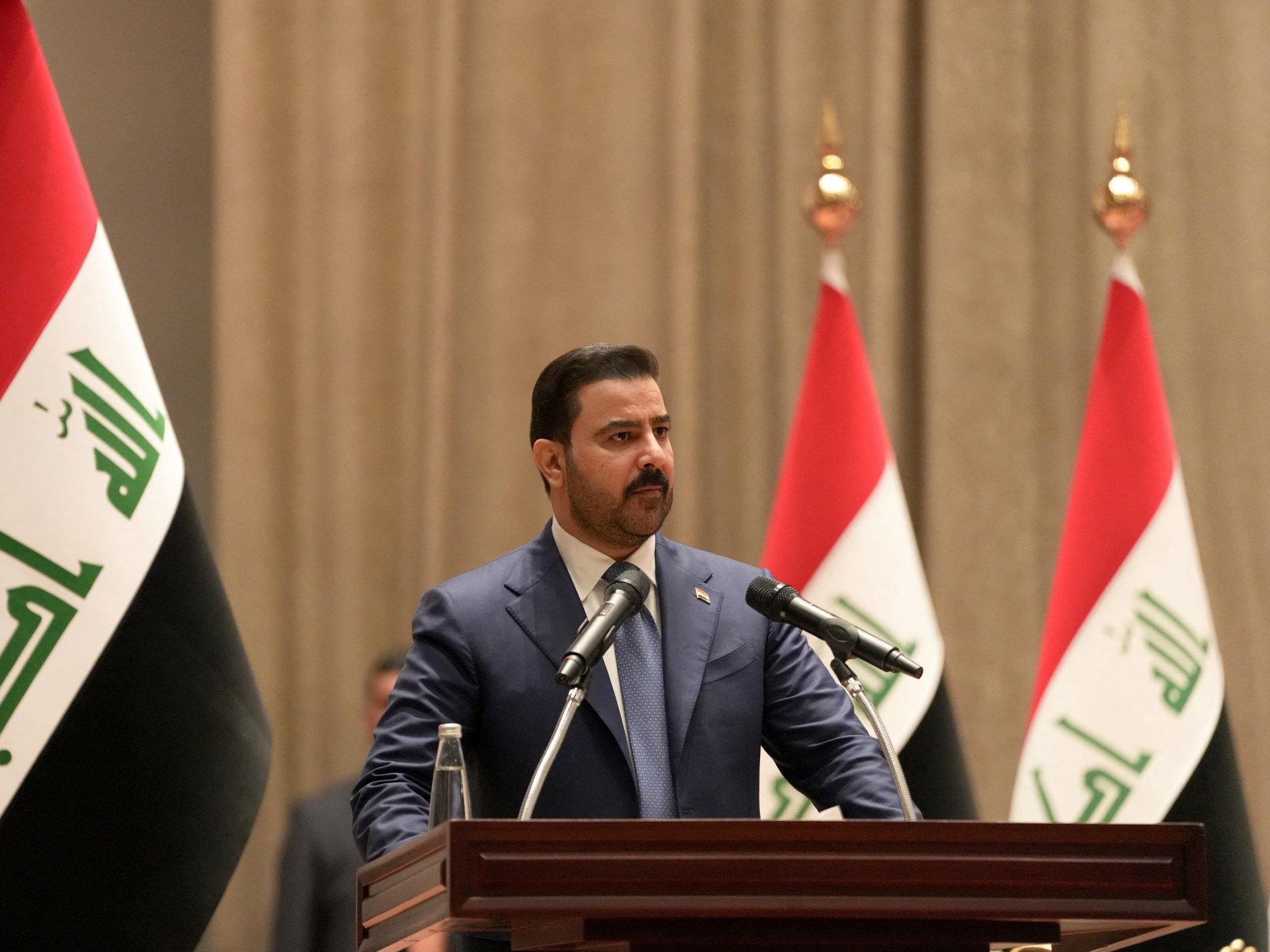
Iraq's Council of Representatives has formally ratified the remaining appointments to Prime Minister al-Zaidi's cabinet, concluding a five-month parliamentary standoff that had paralyzed the nation's executive branch. The breakthrough vote resolves protracted coalition negotiations among competing Shiite, Sunni, and Kurdish political blocs, which had left strategic ministries—including oil, finance, and defense—under provisional or contentious administration. Following weeks of intense backchannel diplomacy and mediation facilitated by regional stakeholders, lawmakers confirmed the ministerial candidates during an extraordinary legislative session in Baghdad.
The extended vacuum had threatened to undermine institutional stability in an already volatile Middle Eastern landscape. Prime Minister al-Zaidi, who assumed office on a platform centered on structural state reform, anti-corruption enforcement, and infrastructure modernization, had struggled to implement core governance directives without a confirmed executive council. The formalization of the cabinet establishes an operational governing coalition capable of passing legislation, addressing the federal budget, and engaging directly with foreign counterparts on bilateral security arrangements and cross-border energy agreements.
[Global Trade](/news/us-midterm-voter-discontent-signals-global-trade-shifts) & Economic Ripples
As OPEC's second-largest crude producer, Iraq's political trajectory carries immediate implications for international energy markets and commodity pricing. The confirmation of executive leadership provides policy continuity for state-owned oil enterprises, upstream licensing rounds, and downstream processing ventures. Prior administrative delays had stalled critical international joint ventures aimed at capturing associated petroleum gas and expanding terminal export capacity along the Persian Gulf.
Global energy analysts note that a fully functional cabinet will facilitate swifter negotiation with international oil companies operating across the southern Basra fields and the semi-autonomous Kurdistan region. Stable administration in Baghdad is essential to sustaining export volumes near 3.4 million barrels per day, particularly as global supply balances remain susceptible to regional maritime tensions and transit disruptions in the Strait of Hormuz. Furthermore, clarity in Baghdad enables the deployment of capital expenditures necessary to maintain logistics corridors and secure commercial shipping agreements, reassuring international sovereign debt holders and international financial institutions monitoring the Iraqi dinar.
Related Intelligence: US Midterm Voter Discontent Signals Major Shifts for Global Trade Policy
International Reactions & Diplomatic Stances
Multilateral bodies and major geopolitical partners welcomed the parliamentary endorsement, emphasizing the urgent need for economic stabilization. The United Nations Assistance Mission for Iraq (UNAMI) issued a statement commending the legislative consensus, reiterating that a fully empaneled cabinet represents a prerequisite for delivering public services, executing electoral commitments, and preserving national sovereignty amidst regional friction.
Diplomatic missions from Washington, European capitals, and Gulf Cooperation Council (GCC) member states similarly acknowledged the development. A spokesperson for the United States Department of State underscored the importance of sustained governance to advance mutual counterterrorism objectives and support private sector investment. Concurrently, regional market analysts highlighted that neighboring Gulf economies view cabinet cohesion in Baghdad as vital for securing cross-border electricity grid interconnections and expanding regional commercial transit networks.
Strategic Outlook & Future Scenarios
The immediate priority for the al-Zaidi government will be the swift passage of the federal budget, a measure complicated by depressed non-oil revenues, extensive public-sector wage bills, and fluctuating crude benchmarks. Failure to swiftly address structural fiscal imbalances could trigger renewed domestic civil unrest, as localized protests over power generation, water scarcity, and youth unemployment persist across southern governorates.
Over the medium term, the administration must navigate the delicate geopolitical balance between Washington and Tehran, ensuring sovereign autonomy while protecting vital security partnerships and cross-border trade relationships. Upcoming engagements, including bilateral infrastructure summits with GCC partners and institutional reviews with the International Monetary Fund, will test whether al-Zaidi's confirmed team can convert fragile political consensus into durable institutional and economic reform.
Join Our Official WhatsApp Channel
Receive live commodity alerts, policy changes, and commercial intelligence directly on WhatsApp.