
Syrian Energy Infrastructure Hit by Coordinated Sabotage and Fuel Theft
Coordinated sabotage and fuel theft have severely damaged two primary Syrian pipelines, exacerbating Middle Eastern supply deficits and threatening fragile regional stability.
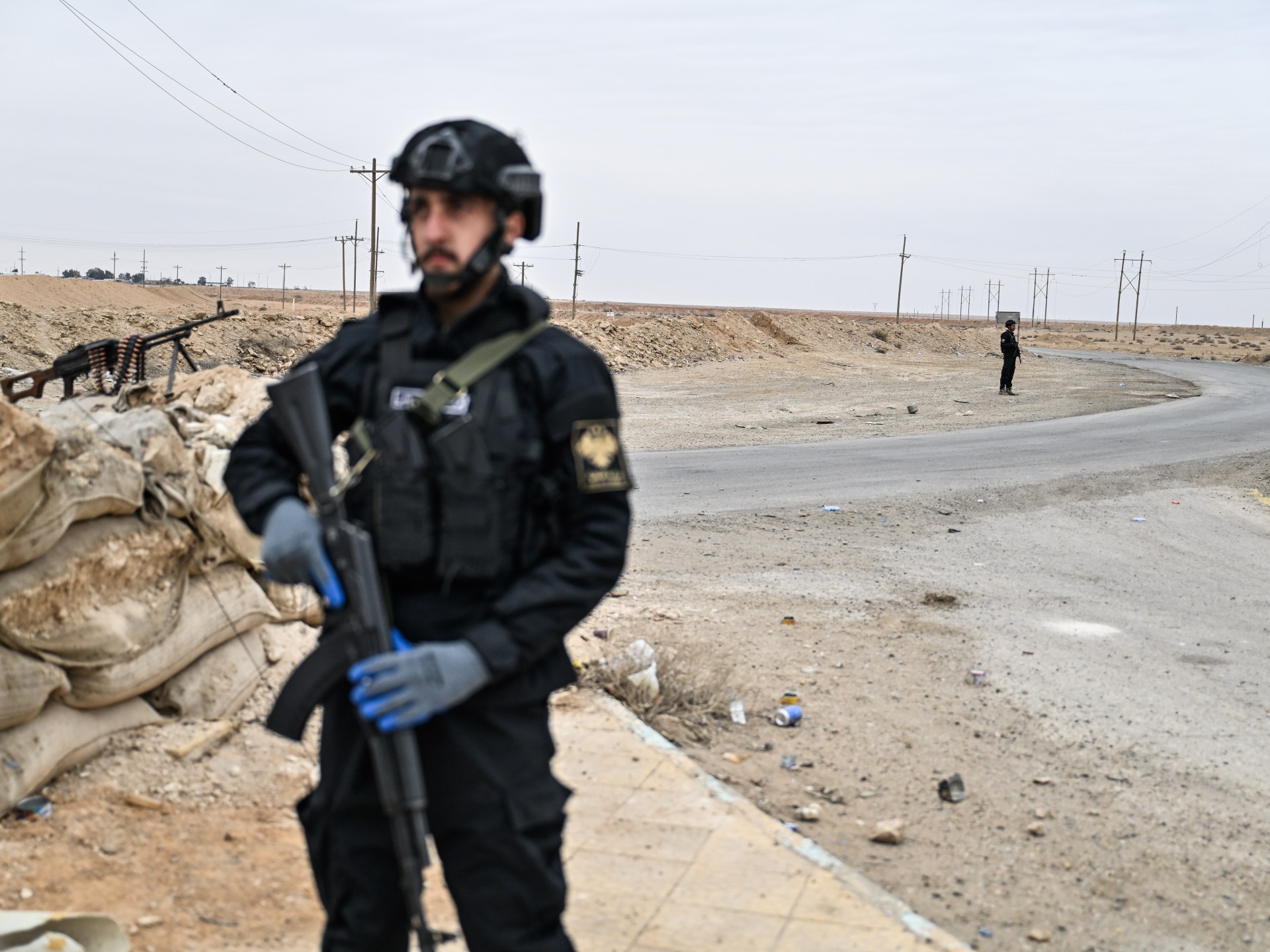
Geopolitical & Core Developments
A fresh wave of attacks and illicit disruptions targeting Syria's vital energy infrastructure has severely crippled key transmission arteries, highlighting persistent security vacuums and the vulnerability of regional hydrocarbons networks. Syrian state energy operators confirmed extensive physical damage to the crude transit pipeline connecting the Mediterranean coastal refinery hub of Baniyas to the central Homs refining complex. Concurrently, a critical natural gas export pipeline in the northeastern province of Hasakah ignited following an explosive breach, severing feed supplies to regional generation plants.
Preliminary assessments by domestic petroleum authorities indicate the Baniyas-Homs disruption resulted from deliberate structural tampering associated with organized fuel theft rings operating along unpatrolled hinterlands. However, the coordinated destruction of the Hasakah gas corridor points toward targeted sabotage in territory contested by a matrix of non-state actors, Kurdish-led autonomous authorities, and remnant insurgent cells. The convergence of black-market extraction networks and asymmetric geopolitical warfare underscores the severe operational risks facing infrastructure in fragmented sovereign zones.
[Global Trade](/news/us-midterm-voter-discontent-signals-global-trade-shifts) & Economic Ripples
While Syrian domestic crude production remains isolated from primary global benchmark pricing mechanisms due to long-standing multilateral sanctions, these domestic supply disruptions generate acute secondary impacts across eastern Mediterranean energy flows. The curtailment of domestic refining capacity forces Damascus to increase its reliance on seaborne petroleum imports, primarily procured via maritime routes traversing the Red Sea and Suez Canal.
This structural deficit further tightens localized merchant vessel availability and exerts upward pressure on tanker charter rates for specialized regional clean-product carriers. Furthermore, the loss of gas feedstock immediately cascades into Syria's electricity generation matrix, triggering industrial blackouts that depress domestic industrial output and cross-border commercial agricultural trade with neighboring Lebanon and Jordan. Consequently, heightened dependency on black-market refined products accelerates currency depreciation in parallel markets, destabilizing cross-border financial settlements.
Related Intelligence: US Midterm Voter Discontent Signals Major Shifts for Global Trade Policy
International Reactions & Diplomatic Stances
Regional energy analysts and international monitoring bodies have expressed mounting alarm over the degradation of critical utility networks across the Levant. United Nations humanitarian envoys highlighted that physical attacks on dual-use infrastructure, including domestic power lines and hydrocarbon arteries, directly imperil civilian access to baseline heating and municipal water purification operations.
Diplomatic missions engaged in the regional normalization track with Damascus noted that infrastructure instability complicates nascent cross-border economic stabilization programs. Representatives from regional energy ministries in neighboring transit nations have refrained from official unilateral statements, yet security officials privately convey deep apprehension regarding the contagion of illicit pipeline tap methods across interconnected regional conduits, which poses direct risks to wider Middle Eastern transshipment corridors.
Strategic Outlook & Future Scenarios
The recurrence of attacks on core processing and transmission assets illustrates that Syria's hydrocarbon logistics network remains an attractive asymmetric target. In the near term, sovereign forces and allied external security contingents will likely deploy enhanced aerial surveillance and kinetic patrols along primary pipeline easements between the central plains and coastal terminals. Nevertheless, complete interdiction remains logistically improbable given the expansive geographic terrain.
Over the medium horizon, continued degradation of domestic midstream capacity will solidify reliance on external maritime shipments, deepening exposure to maritime interdiction risks and shipping insurance premiums. Unless international mechanisms establish secure energy transit corridors or enforce rigorous anti-smuggling frameworks, intermittent outages and structural refinery deficits will persistently distort Levant energy markets and exacerbate regional economic fragility.
Join Our Official WhatsApp Channel
Receive live commodity alerts, policy changes, and commercial intelligence directly on WhatsApp.