
Afghanistan Acute Hunger Climbs to Record Highs, Threatening Regional Supply Chains
Acute hunger in Afghanistan has surged to record levels with 15.9 million people facing severe food insecurity, creating critical humanitarian concerns and compounding cross-border supply chain volatility across Pakistan.
The Core Development
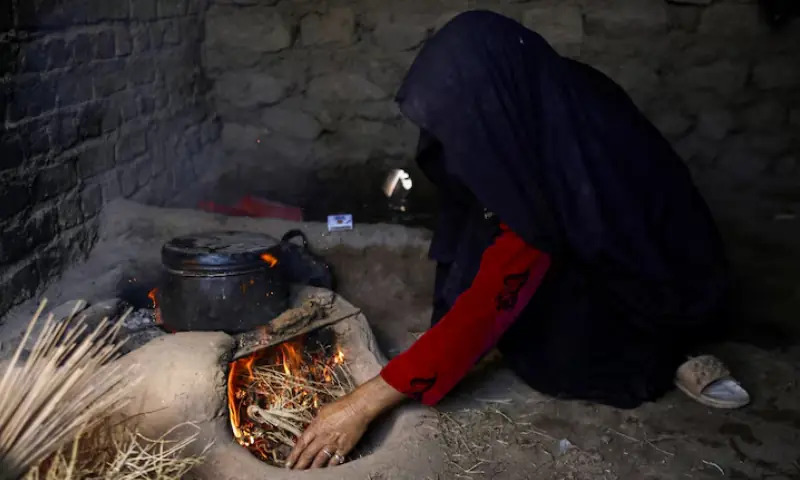
Acute malnutrition and food insecurity across Afghanistan have reached the highest levels ever monitored, according to a comprehensive assessment published by the Integrated Food Security Phase Classification (IPC). The global hunger monitor reported that 15.9 million Afghans are now enduring acute food deprivation, spanning Phase 3 (Crisis) and above on the five-tier international metric. Notably, roughly 3.4 million citizens have fallen into Phase 4 (Emergency), teetering on the edge of complete systemic starvation.
The sharp deterioration during the August–October assessment cycle stems from compounded structural failures, lingering drought patterns, and severe liquidity bottlenecks under the Taliban-led administration. The socio-economic catastrophe is further deepened by escalating geopolitical isolation and domestic restrictions, including renewed bans on public demonstrations and reports of severe human rights violations. Heads of United Nations agencies, including the World Food Programme (WFP) and the Food and Agriculture Organisation (FAO), have sounded international alarms, requesting emergency capital injections and logistical aid to avert a devastating humanitarian collapse ahead of the harsh winter season.
Commercial & Economic Implications
For Pakistan's wholesale distribution networks and agrarian supply chains, this escalating humanitarian disaster across the western border carries immediate commercial ramifications. Afghanistan has historically maintained deep informal and formal agrarian linkages with Pakistani markets, relying heavily on essential commodity transit through the Torkham, Chaman, and Ghulam Khan border corridors.
As domestic food availability in Afghanistan dries up, border arbitrage incentives increase substantially. Pakistani grain merchants and FMCG distributors across Khyber Pakhtunkhwa and Balochistan are observing persistent cross-border pull factors for staple foodstuffs, specifically wheat flour, sugar, edible oils, and pulses. This sustained demand threatens to distort domestic wholesale balances in Pakistan, potentially driving regional retail price spikes in border-adjacent consumption centers.
Furthermore, the paralysis of Afghanistan's banking sector means cross-border settlements remain entrenched in informal Hawala systems and barter trade mechanisms. Pakistani exporters, already navigating restrictive regulatory frameworks and rigorous foreign exchange controls implemented by the State Bank of Pakistan, face heightened counterparty default risks, delayed clearing schedules, and erratic demand patterns from Afghan counterparties reliant on donor-funded purchasing programs.
Related Intelligence: HRCP Flags Rights Violations as Gaps Threaten Investment and Economic Stability
Stakeholder Perspectives & Market Reactions
Cross-border trading bodies, including the Pakistan-Afghanistan Joint Chamber of Commerce and Industry (PAJCCI), have expressed growing unease over administrative logjams and border operational friction. Commercial stakeholders caution that sudden transit policy shifts and heightened security screening at primary crossing terminals could choke commercial trade while failing to resolve underlying supply imbalances.
Simultaneously, grain dealers and wholesale associations in Peshawar and Quetta note that commercial volumes are increasingly secondary to emergency procurement contracts by humanitarian agencies. However, institutional delays in multilateral funding have slowed the pace of official tenders. Financial analysts monitoring regional risk highlight that the collapse of rural purchasing power in Afghanistan has decimated conventional commercial demand, forcing bilateral trade to shrink toward subsistence-level volumes heavily vulnerable to regional geo-economic negotiations.
Forward Outlook & Key Watchpoints
The trajectory of this crisis hinges heavily on international donor commitments over the forthcoming quarter. Market watchers and commercial logistics operators must monitor whether the United Nations secures immediate funding allocations to sustain regional procurement pipelines through early 2025. Failure to secure these pledges will accelerate rural distress, forcing higher displacement toward border zones.
Domestically, Pakistani authorities are likely to reinforce border controls to curb the illicit outflow of price-sensitive food essentials, which could increase regulatory inspections along transport arteries connecting Punjab's grain belt with western border checkpoints. For business operators and commodity distributors, mitigating exposure will demand strict credit terms, real-time monitoring of border customs clearances, and close observation of multilateral relief procurement announcements.
Join Our Official WhatsApp Channel
Receive live commodity alerts, policy changes, and commercial intelligence directly on WhatsApp.