
Saudi Arabia Denounces Houthi Strikes as US Issues Aviation Security Advisory
Saudi Arabia has condemned escalating Houthi cross-border assaults as war crimes, while Washington issued alerts warning of imminent threats against Saudi civilian airports.
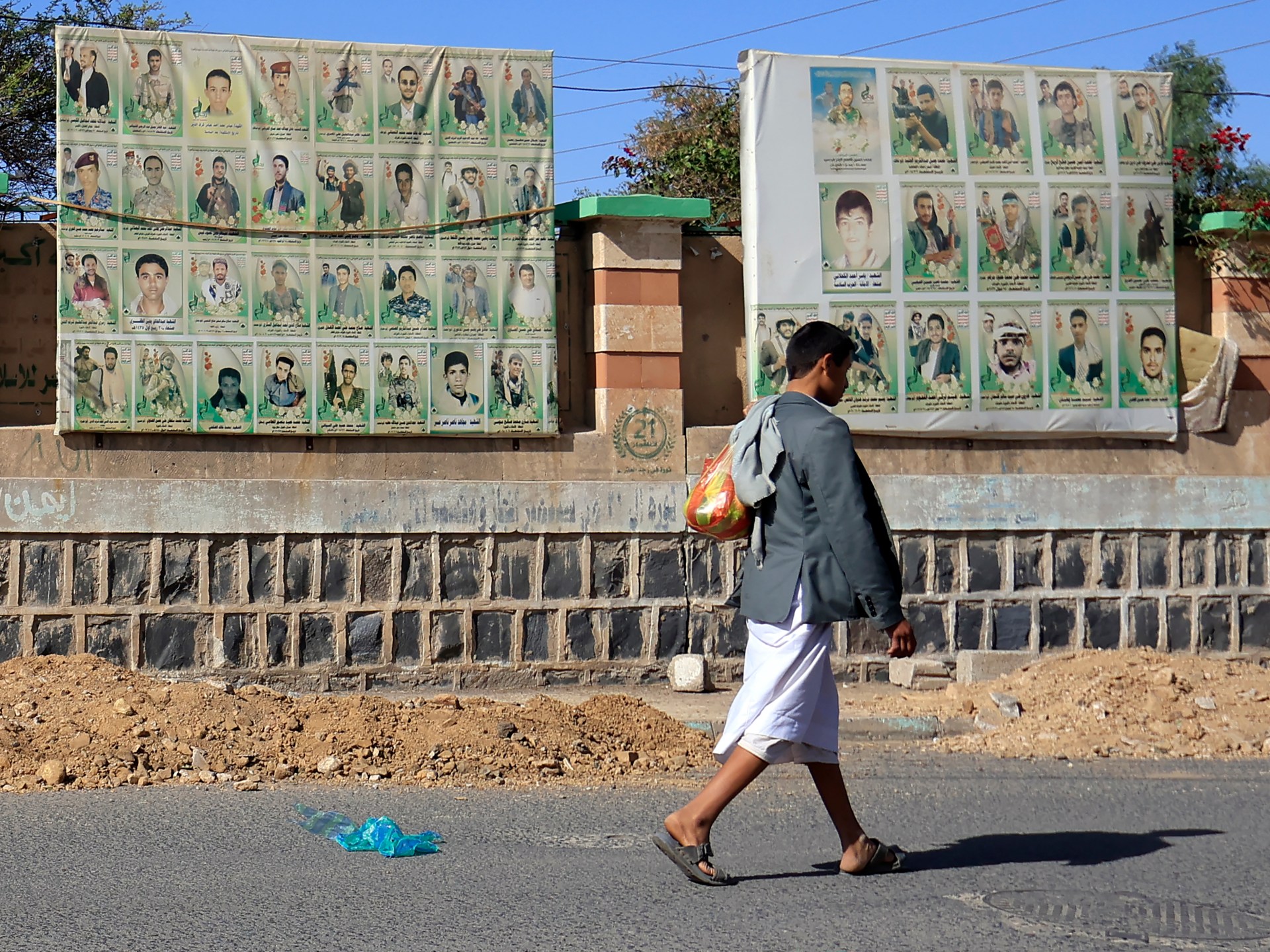
Geopolitical & Core Developments
Tensions across the Arabian Peninsula reached critical levels this week as the Kingdom of Saudi Arabia formally denounced ongoing cross-border strikes launched by Yemen's Houthi movement, categorizing the operations as full-fledged war crimes. The official condemnation follows a sharp escalation in unmanned aerial vehicle and ballistic missile launches aimed at civilian settlements and critical infrastructure within Saudi territory. Concurrently, the United States Department of State and American diplomatic missions issued an urgent security notice alerting commercial aviation operators and travelers to plausible strike risks directed at Saudi domestic and international airports.
The strategic posture between Riyadh, Tehran, and the Sanaa-based Houthi administration has deteriorated in tandem with broader Middle Eastern hostilities. For Saudi policymakers, the persistent strikes jeopardize long-standing de-escalation diplomacy pursued since the 2023 Beijing-brokered detente with Iran. Intelligence assessments indicate that Houthi operational units have expanded the scope of their offensive doctrines, synchronizing maritime interdictions in the southern Red Sea with aerial incursions into Saudi airspace. The targeting of civilian aviation hubs represents a qualitative escalation, crossing established red lines in modern regional engagement.
[Global Trade](/news/us-midterm-voter-discontent-signals-global-trade-shifts) & Economic Ripples
The convergence of aviation advisories and infrastructure attacks introduces fresh volatility into global commodity flows and international trade channels. Financial markets and energy desks reacted with elevated risk premiums on crude contracts, with Brent crude reflecting sustained geopolitical tension across Middle Eastern distribution choke points. Although oil extraction installations have largely avoided direct disruption in the latest wave, the proximity of strikes to strategic economic nodes keeps global supply buffers fragile.
Aviation and airfreight logistics face immediate operational headwinds. The US advisory threatens to disrupt high-value cargo and transit corridors linking Europe, Africa, and Asia through the Gulf. Flight rerouting away from potential strike envelopes elevates jet fuel consumption and operating costs, while global insurers have already initiated reviews of aviation war risk premiums for regional operations. These logistical frictions exacerbate existing maritime supply chain bottlenecks caused by ongoing anti-shipping campaigns in the Bab al-Mandeb Strait, effectively squeezing regional trade from both sea and air routes.
Related Intelligence: US Midterm Voter Discontent Signals Major Shifts for Global Trade Policy
International Reactions & Diplomatic Stances
The diplomatic fallout has resonated throughout international bodies and western capitals. The Saudi Ministry of Foreign Affairs stressed that intentional targeting of civil infrastructure breaches the Geneva Conventions and international humanitarian law, calling upon the United Nations Security Council to implement enforceable measures against non-state actors acquiring sophisticated drone guidance components.
In Washington, defense officials emphasized the United States' commitment to defending Saudi sovereign territory while defending the issuance of travel advisories as a standard precautionary procedure. Western allies, including the United Kingdom and France, echoed Riyadh's security concerns, urging restraint while condemning cross-border militancy. Conversely, Houthi military spokespersons maintained that regional operations will persist until commercial blockades are dismantled, signaling zero intent to curtail long-range strikes.
Strategic Outlook & Future Scenarios
The trajectory of the conflict now pivots on regional containment mechanisms and potential counter-escalation. Should Houthi munitions breach air defense cordons around major commercial hubs such as Jeddah or Riyadh, the Saudi leadership may find retaliatory aerial campaigns unavoidable, thereby extinguishing the fragile Yemeni ceasefire frameworks preserved over recent years.
Over the medium term, multi-layered air defense systems, including Patriot batteries and counter-UAS electronic warfare platforms, will see expanded deployment around civilian centers. Multinational sanctions targeting illicit supply networks funneling missile guidance systems across the Persian Gulf are likely to intensify. Without comprehensive political reconciliation addressing the broader regional proxy architecture, Middle Eastern transit hubs and global shipping pathways will remain hostage to asymmetric strike strategies, imposing durable risk premiums on international commerce.
Join Our Official WhatsApp Channel
Receive live commodity alerts, policy changes, and commercial intelligence directly on WhatsApp.