
FIFA Governance Crisis Deepens as Infantino Apology Fails to Appease Council Critics
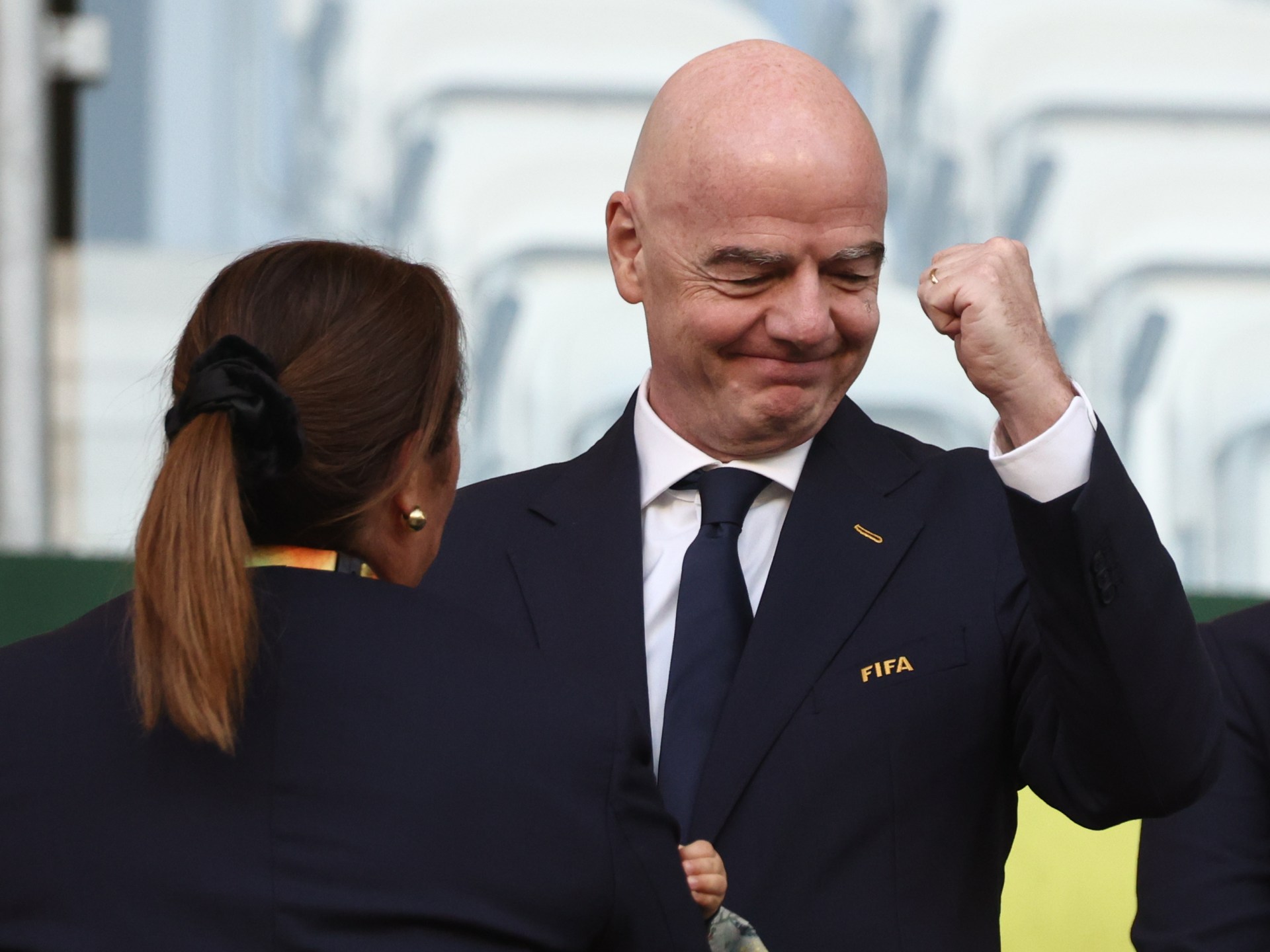
FIFA President Gianni Infantino's formal apology to the FIFA Council failed to defuse mounting governance tensions, leaving global sporting alliances and multi-billion-dollar commercial portfolios facing heightened institutional friction.
Geopolitical & Core Developments
A tense three-hour FIFA Council meeting culminated in a formal apology from President Gianni Infantino, yet the gesture has done little to bridge the widening rift between world football's governing executive and influential regional confederations. Tensions within the governing body have escalated amid ongoing disputes over centralized decision-making, tournament calendar expansion, and the allocation of executive influence across continental associations.
The confrontation underscores a deeper structural struggle for power within international football administration. Key delegates, predominantly representing UEFA and CONMEBOL, voiced substantial discontent over procedural bypasses regarding commercial ventures, event allocations, and the revamped Club World Cup framework. Although Infantino sought to calm dissent through diplomatic conciliation behind closed doors, member federations continue to express skepticism regarding executive accountability, arguing that unilateral governance risks undermining international cooperation.
[Global Trade](/news/us-midterm-voter-discontent-signals-global-trade-shifts) & Economic Ripples
While ostensibly an institutional governance dispute, the friction within FIFA generates direct consequences across the global sports economy, a sector generating hundreds of billions of dollars in commercial trade, cross-border services, and hospitality investments. Commercial partners, global streaming conglomerates, and sovereign investment vehicles closely monitor the stability of international federations to hedge against contract disputes and execution risks.
The commercial implications are particularly acute for broadcast rights negotiations and corporate sponsorships. Uncertainty surrounding tournament calendars disrupts media planning and inventory valuations across North America, Europe, and Asia. Furthermore, municipal authorities and corporate consortia heavily invested in stadium infrastructure, transport logistics, and urban regeneration projects ahead of the 2026 FIFA World Cup require long-term institutional stability to maintain capital deployments and financial commitments.
Related Intelligence: US Midterm Voter Discontent Signals Major Shifts for Global Trade Policy
International Reactions & Diplomatic Stances
European football officials reiterated calls for robust institutional guardrails, emphasizing that major strategic shifts must pass through multilateral consensus rather than executive decrees. Analysts close to UEFA indicated that an apology alone fails to address foundational concerns surrounding revenue distribution models, player welfare obligations, and sovereign financial inflows.
Conversely, several federations across the Confederation of African Football (CAF) and the Asian Football Confederation (AFC) have historically maintained firm alignment with Infantino's administration, viewing expanded tournaments as vital mechanisms for international capital redistribution and domestic sports development. Independent governance watchdogs and sports economists have cautioned that continued polarization risks fragmenting football's governing apparatus into regional trade blocs, complicating international calendar negotiations.
Strategic Outlook & Future Scenarios
The trajectory of global football governance hinges on the upcoming FIFA Congress and subsequent technical council sessions. If Infantino's executive office fails to establish institutional concessions, regional confederations could leverage contractual arbitration, boycott specific administrative committees, or seek alternative competitive structures outside FIFA's centralized authority.
The primary baseline scenario suggests continued closed-door negotiations aimed at pacifying European and South American stakeholders through adjusted revenue allocations and committee veto powers. However, should governance friction persist, multi-billion-dollar broadcast auctions and long-term sovereign sponsorship agreements may face prolonged legal and financial restructuring, introducing significant operational volatility into the international sports market.
Join Our Official WhatsApp Channel
Receive live commodity alerts, policy changes, and commercial intelligence directly on WhatsApp.