
Global Sports Governance Under Pressure Over Athlete Protection and Institutional Equity
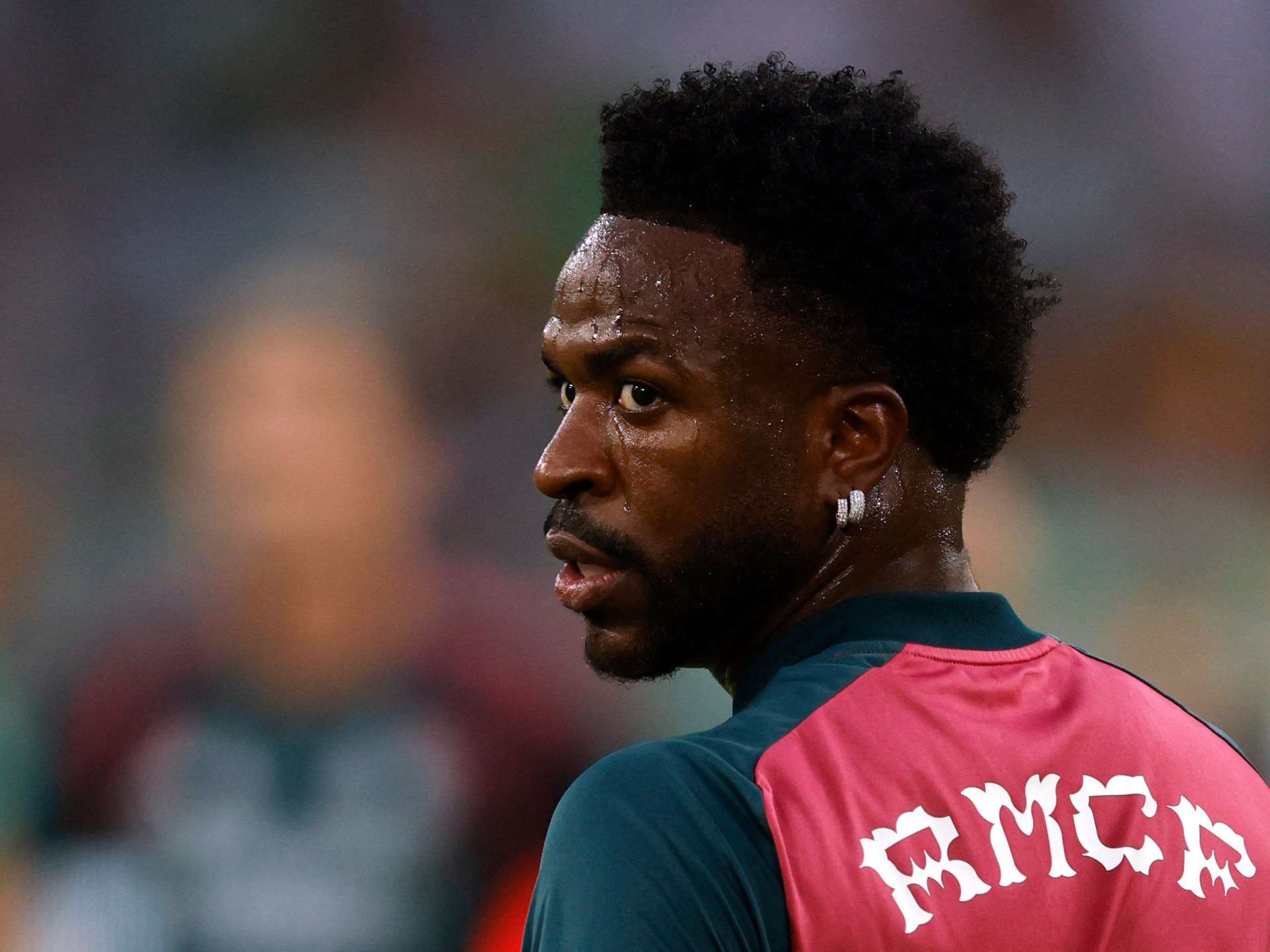
Real Madrid star Vinicius Junior has challenged refereeing standards, triggering debates on institutional governance, commercial risk, and regulatory parity in the high-stakes global entertainment economy.
Geopolitical & Core Developments
The governance of international sports has once again entered the spotlight following sharp criticisms from Real Madrid forward Vinicius Junior, who asserted that creative players are being systematically targeted by match officials. Citing counterparts such as Lamine Yamal and Julian Alvarez, the Brazilian international emphasized that elite talent requires rigorous institutional protection to preserve competitive integrity. The remarks underscore recurring frictions between premier sports entities, officiating bodies, and multi-jurisdictional regulatory frameworks governing high-stakes global athletics.
Over the past decade, international sports entertainment has evolved into an essential instrument of soft power and sovereign investment. State-backed wealth funds, cross-border broadcast conglomerates, and multinational athletic federations increasingly intersect, making institutional fairness an issue that transcends competitive athletics. Vinicius's public condemnation highlights systemic grievances regarding regulatory oversight, equitable judicial enforcement, and the broader accountability of governing bodies operating under public and commercial pressure.
Global Trade & Economic Ripples
While originating on the pitch, systemic controversies within premier sporting leagues carry tangible economic implications for international markets. Global sports entertainment represents a multi-billion-dollar enterprise characterized by complex cross-border supply chains, lucrative merchandising flows, and massive television syndication agreements. Instability in athlete welfare or persistent perceptions of structural bias jeopardize asset valuations for major sporting franchises.
Media rights valuations, which drive significant revenue for multinational broadcasters across European, Asian, and Latin American markets, rely heavily on marquee talent. Discontent among leading global athletes raises compliance and contractual friction, potentially impacting corporate sponsorship portfolios and international licensing agreements. Furthermore, the commercial sports apparel and merchandising sectors—deeply tied to logistics, consumer spending, and international currency stability—monitor player relations closely, as brand equity remains tied directly to the reputation and active presence of key athletic ambassadors.
Related Intelligence: Sussex Return to UK Engagements Highlights Soft Power Dynamics and Public Sentiment
International Reactions & Diplomatic Stances
Reactions across international sports governance circles reflect a growing divide between institutional traditionalists and advocates of modern structural reform. Sports law experts and player advocacy organizations have reiterated the need for updated arbitration frameworks and objective officiating protocols. Analysts note that European football governance bodies face intensifying demands to establish transparent, standardized regulatory reviews to address player grievances effectively.
Diplomatic and industry observers point out that the modern athlete operates not only as a sporting figure but as an international cultural ambassador. In previous instances where issues of equity and player safety were raised, cross-border advocacy groups and international human rights monitors underscored the obligation of global sports federations to provide safe, unbiased working environments. Institutional stakeholders continue to urge governing councils to harmonize regulatory enforcement across international competitions to mitigate administrative disputes.
Strategic Outlook & Future Scenarios
Moving forward, international athletic federations face significant strategic pressures to modernize officiating frameworks, integrate advanced technological surveillance, and ensure judicial independence. Regulatory reforms will likely be contested during upcoming stakeholder summits, where club executives, broadcast partners, and governing officials convene to negotiate future governance policies and operational guidelines.
Should international sports regulators fail to address complaints regarding officiating equity and talent protection, tensions between sovereign-backed clubs, domestic federations, and international bodies could escalate. Long-term scenarios indicate potential moves toward independent oversight panels or private league restructuring, which would fundamentally alter the geopolitical and financial equilibrium of the global sports and entertainment landscape.
Join Our Official WhatsApp Channel
Receive live commodity alerts, policy changes, and commercial intelligence directly on WhatsApp.