
Somalia Plans 2027 Universal Suffrage Elections Amid Mounting Internal Discord
Somalia has announced universal suffrage elections scheduled for 2027, an overhaul of its clan-based model that regional authorities warn could trigger domestic instability and exacerbate Horn of Africa security risks.
Geopolitical & Core Developments
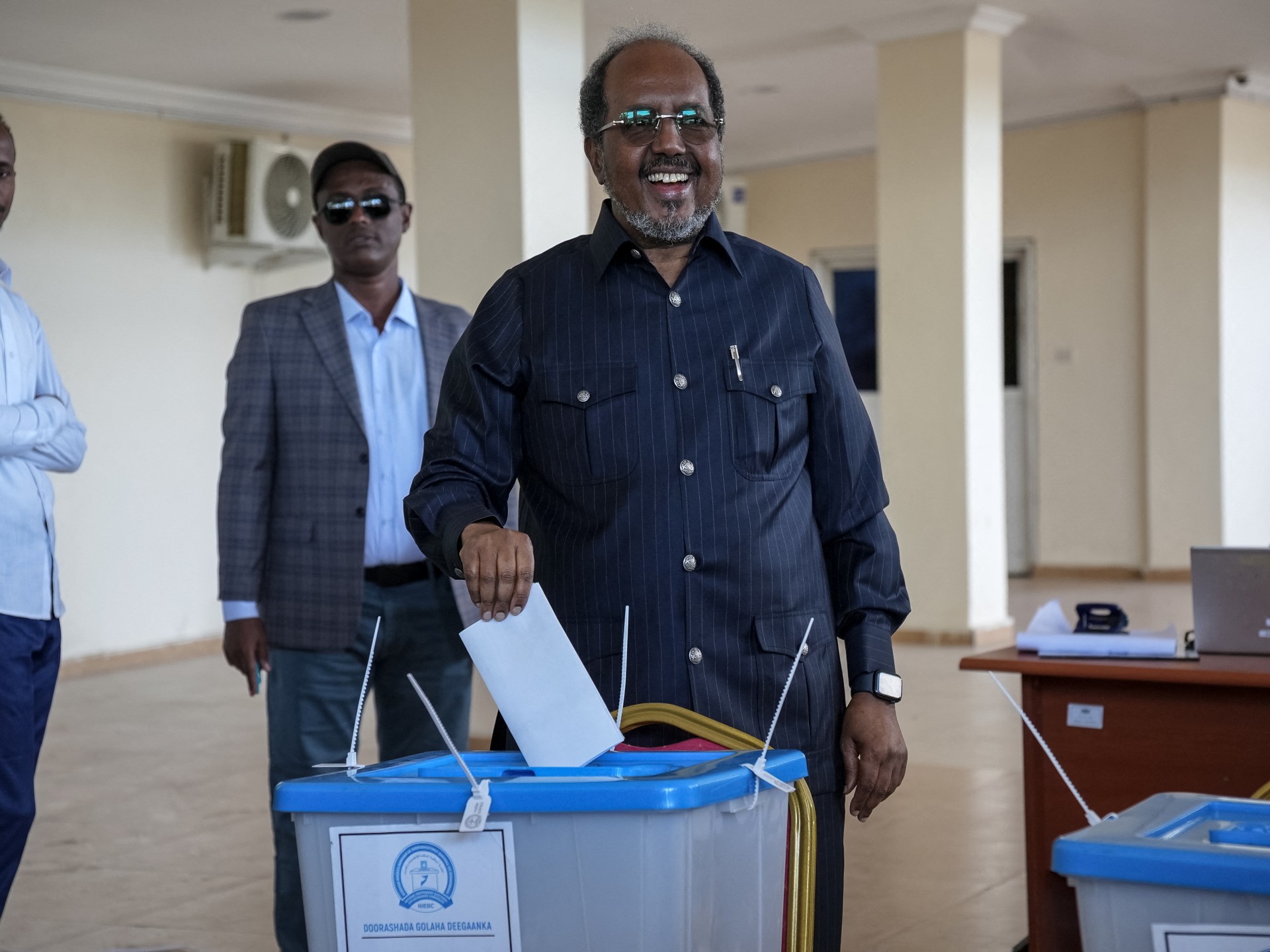
The Federal Government of Somalia has formalized plans to stage nationwide, direct universal suffrage elections in 2027, marking an intended departure from the complex clan-based indirect voting framework that has governed the nation for decades. Announced by federal authorities in Mogadishu, the initiative aims to institutionalize a one-person, one-vote system for parliamentary and presidential offices. However, the declaration has immediately deepened political fragmentation across the fractured Horn of Africa nation.
Key regional administrations, most notably Puntland and elements of Jubaland, have strongly rejected the federal government's unilateral timeline and electoral architecture. Opposition leaders and federal member states argue that the legal and logistical prerequisites for direct national elections—including comprehensive census data, electoral commission autonomy, and constitutional consensus—remain unresolved. They contend that pressing forward without broad institutional buy-in risks unravelling delicate federal arrangements that have maintained an uneasy stability. The dispute unfolds against a fraught security backdrop, where Somali security forces, supported by the African Union Transition Mission in Somalia (ATMIS), remain engaged in intense military campaigns against the Al-Shabaab insurgency.
[Global Trade](/news/us-midterm-voter-discontent-signals-global-trade-shifts) & Economic Ripples
While Somalia’s direct footprint in global industrial supply chains is modest, its geographical position along the Gulf of Aden and the Bab el-Mandeb strait renders its domestic stability critical to international commerce. The Horn of Africa flanks one of the world's most critical maritime choke points, through which substantial volumes of crude oil, liquefied natural gas, and containerized goods transit toward European and Asian destinations. Political fragmentation in Mogadishu threatens to dilute counter-insurgency and anti-piracy efforts, escalating security risks for commercial maritime fleets.
Heightened instability within Somalia frequently translates into elevated war risk insurance premiums for vessels traversing the Western Indian Ocean, compounding shipping costs already stressed by regional geopolitical frictions. Furthermore, regional agricultural and livestock trades—which sustain foreign exchange inflows across East Africa and export heavily to the Arabian Peninsula—face disruption if transport arteries and border crossings become contested. Prolonged political uncertainty also threatens to deter prospective foreign direct investment in Somalia's nascent offshore hydrocarbon exploration blocks and blue economy initiatives, constraining broader macroeconomic recovery.
Related Intelligence: US Midterm Voter Discontent Signals Major Shifts for Global Trade Policy
International Reactions & Diplomatic Stances
International stakeholders have reacted to Mogadishu's announcement with guarded caution, urging consensus over unilateral implementation. The United Nations Assistance Mission in Somalia (UNSOM) and the African Union have reiterated that transitions to universal franchise must be inclusive, transparent, and legally sound to prevent constitutional breakdown. Multilateral observers emphasize that direct elections require institutional mechanisms capable of operating across all federal member states without disenfranchising key demographics.
Western partners, including the United States and the European Union, which provide vital security and budgetary support to Mogadishu, have stressed the urgency of constructive dialogue between the federal government and regional leaders. In private diplomatic exchanges, external donors have indicated that sustained financial backing for institutional capacity-building remains conditional upon avoiding unilateral political steps that could spark armed confrontation between federal forces and regional security apparatuses.
Strategic Outlook & Future Scenarios
The trajectory leading up to 2027 presents several critical scenarios. In the base-case scenario, sustained pressure from international donors and regional bodies like the Intergovernmental Authority on Development (IGAD) will compel Mogadishu into high-level mediation with dissenting federal member states. Such talks would likely produce an amended hybrid electoral framework rather than a purely direct universal poll, averting outright constitutional fragmentation.
Alternatively, should the federal government proceed unilaterally without resolving boundary disputes and federal jurisdictions, state-level authorities may boycott the process or conduct parallel regional polls. Such an impasse would severely undermine the authority of the central government, distract security resources from counter-terrorism efforts, and elevate regional fragility. Market participants and international security analysts will closely monitor upcoming consultative forums to determine whether Somalia's political leadership can forge the consensus necessary to safeguard domestic cohesion and vital coastal security.
Join Our Official WhatsApp Channel
Receive live commodity alerts, policy changes, and commercial intelligence directly on WhatsApp.